01Story 01 · Travelling India
The first monsoon
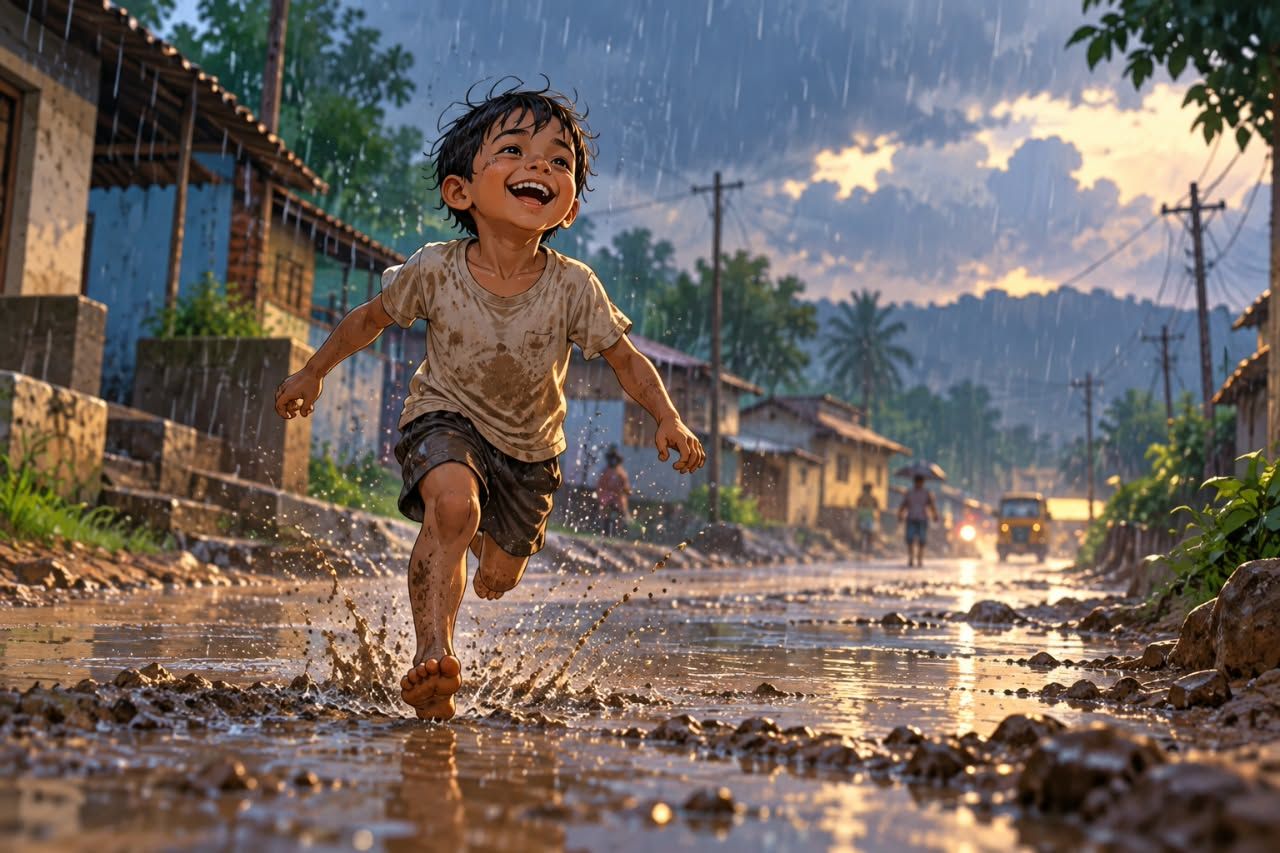
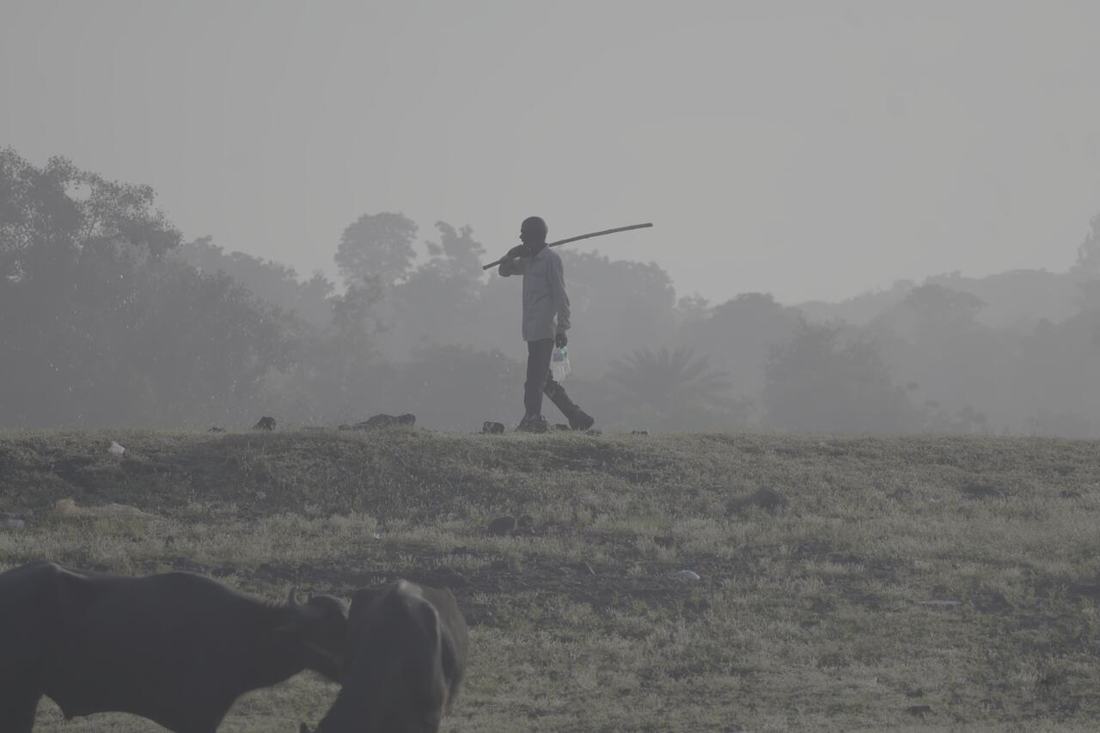
A boy running barefoot along a muddy road. His feet were still marked by blisters from the summer, yet he was delighted by the rain.
Because, for a little while, his feet no longer burned.
From a small world in Mhow to a much larger one.
A journey, not a resume.
This is not a collection of achievements.
It is the story of how one experience led to another: from a small world, to Japan, to the people and places of India, to failed experiments, to DoNeki, and eventually back to my school, where I began trying to create for others what I once lacked myself.
The world I thought was the world
I grew up in Mhow, a small town surrounded by forests, history, and a life that felt complete because I had never really seen anything else.
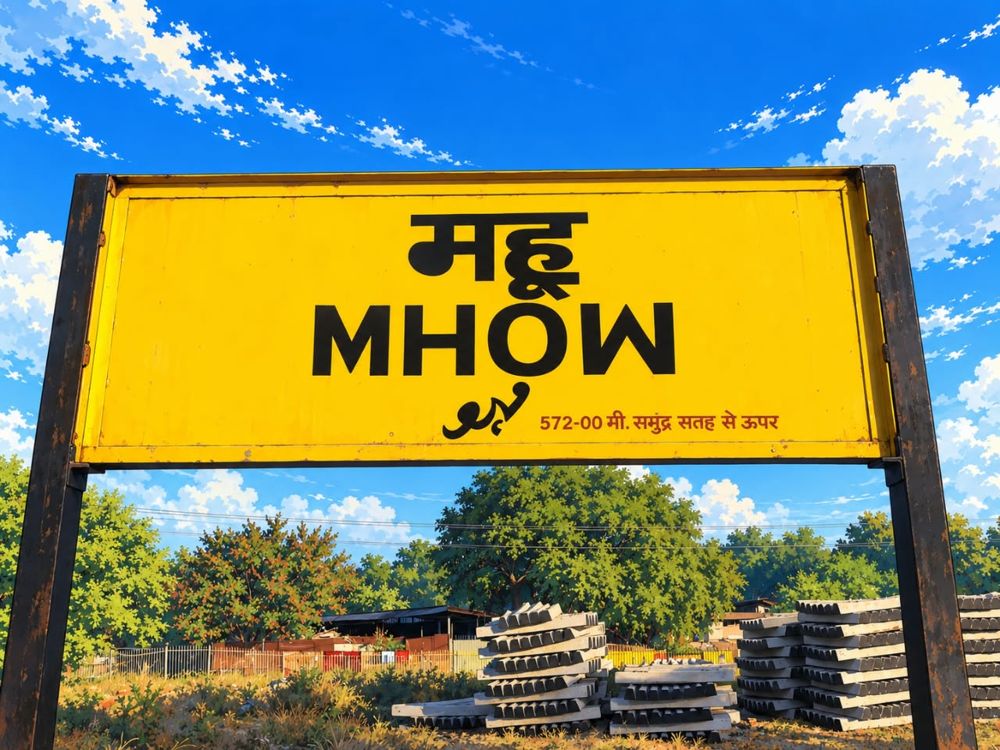 The yellow board
Every trip started and ended at this yellow station board. For years, it marked the edge of the only world I knew.
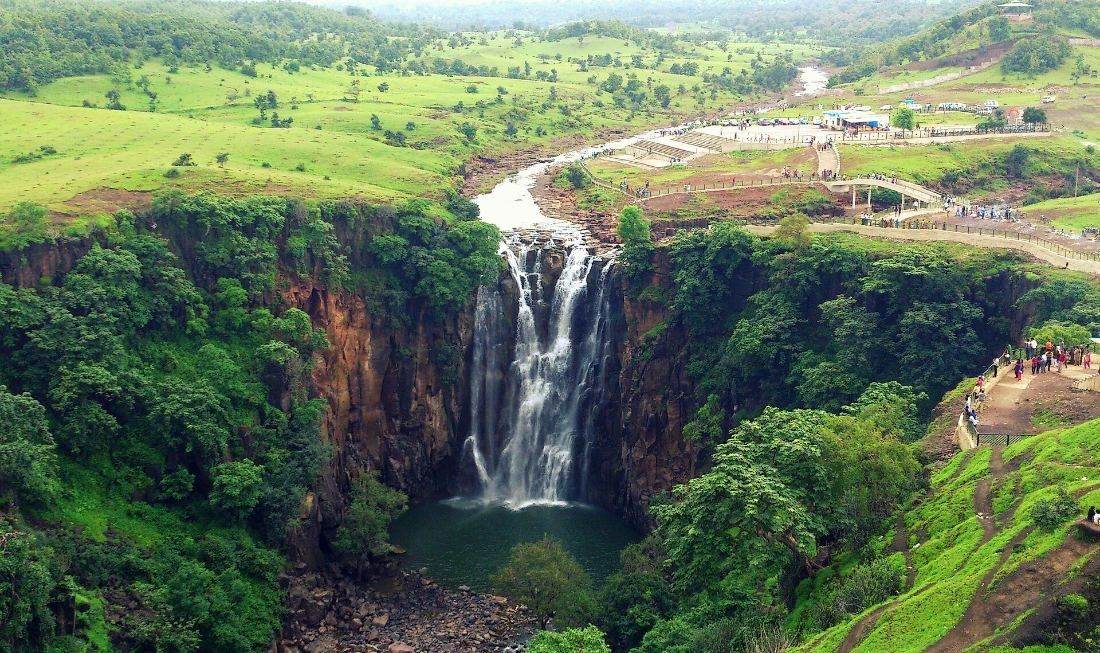
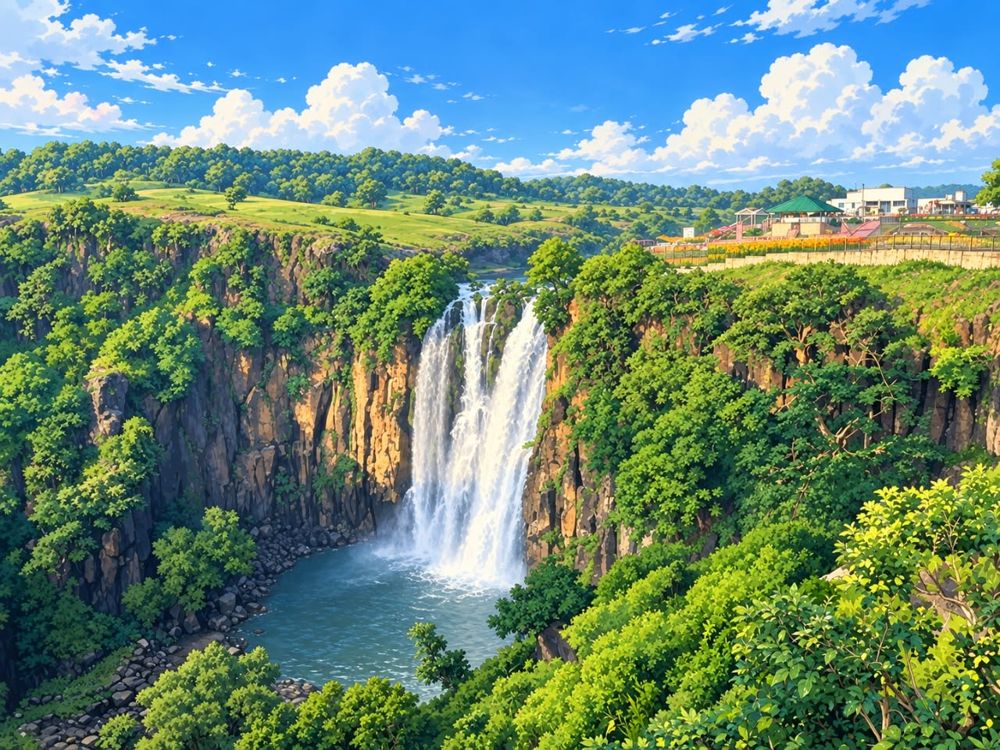 Patalpani
When the rains came, everyone went to watch the water crash into the gorge. Wet shoes, loud laughter, and roasted bhutta on the way home.
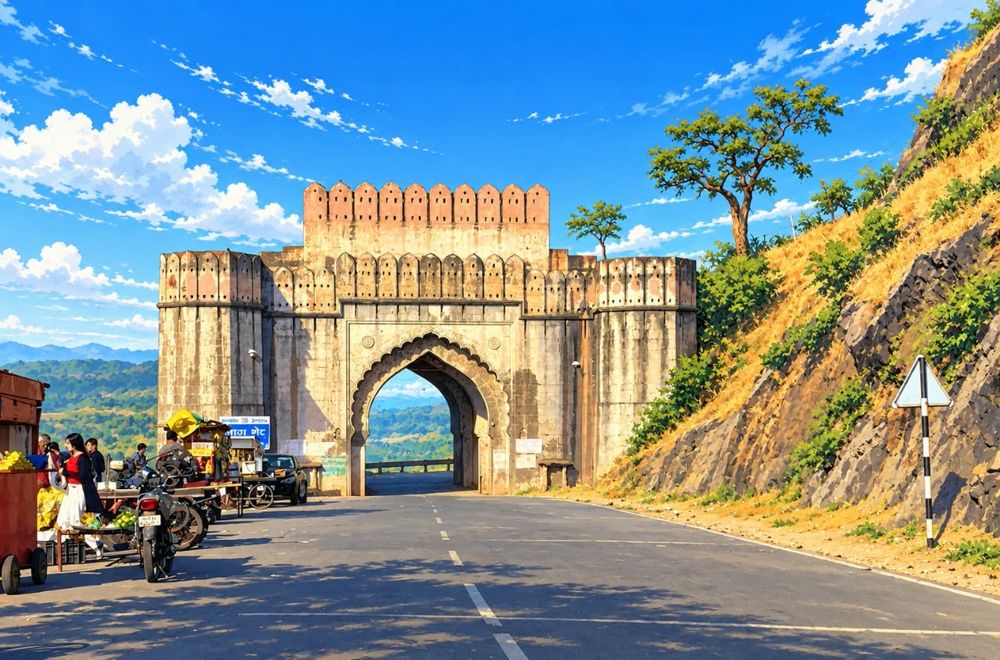 Jam Gate
We used to drive up to Jam Gate just to stand under the old arch and look at the valley turning gold below.
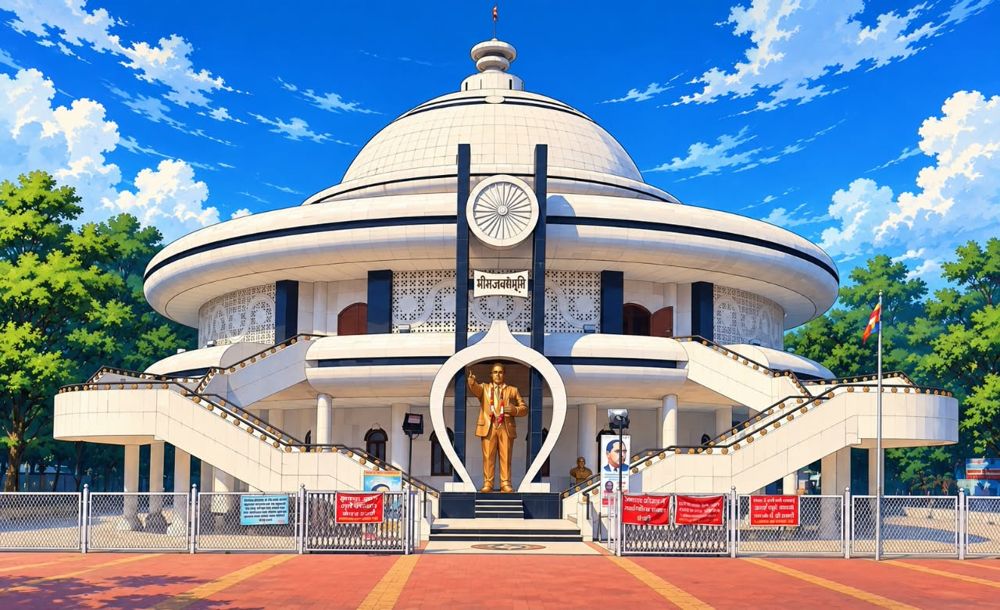 Bhim Janmabhoomi
The birthplace of Dr. B. R. Ambedkar. Growing up, it was a quiet reminder that a small town can give the world something very large.
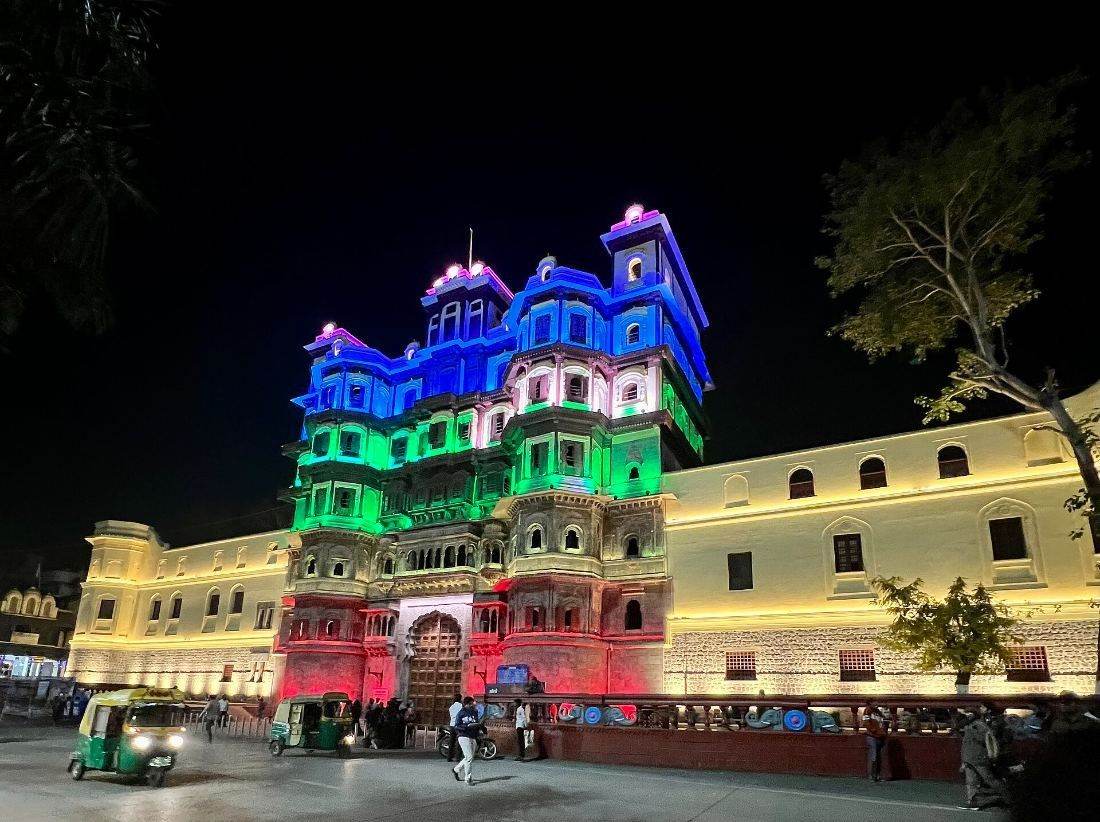
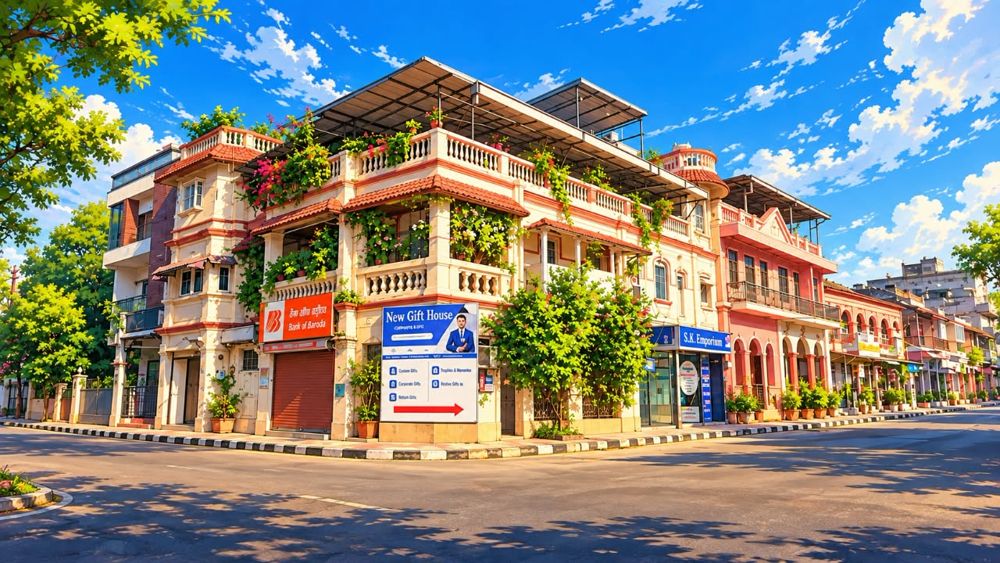 The old streets
The same streets for school, tuition and evening walks. Back then they felt like the whole world.
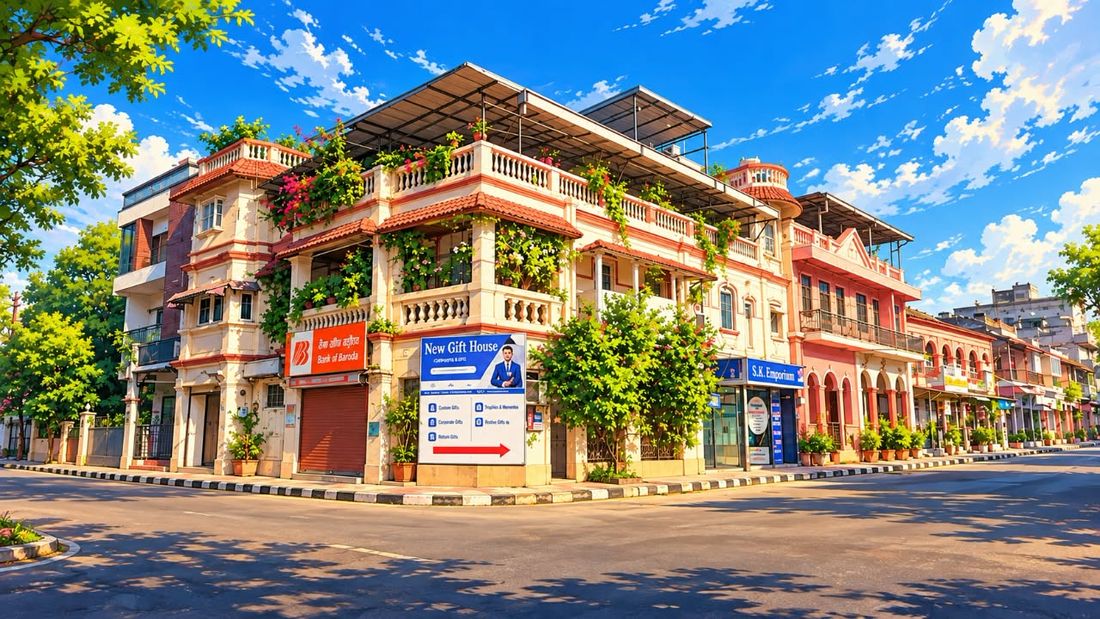
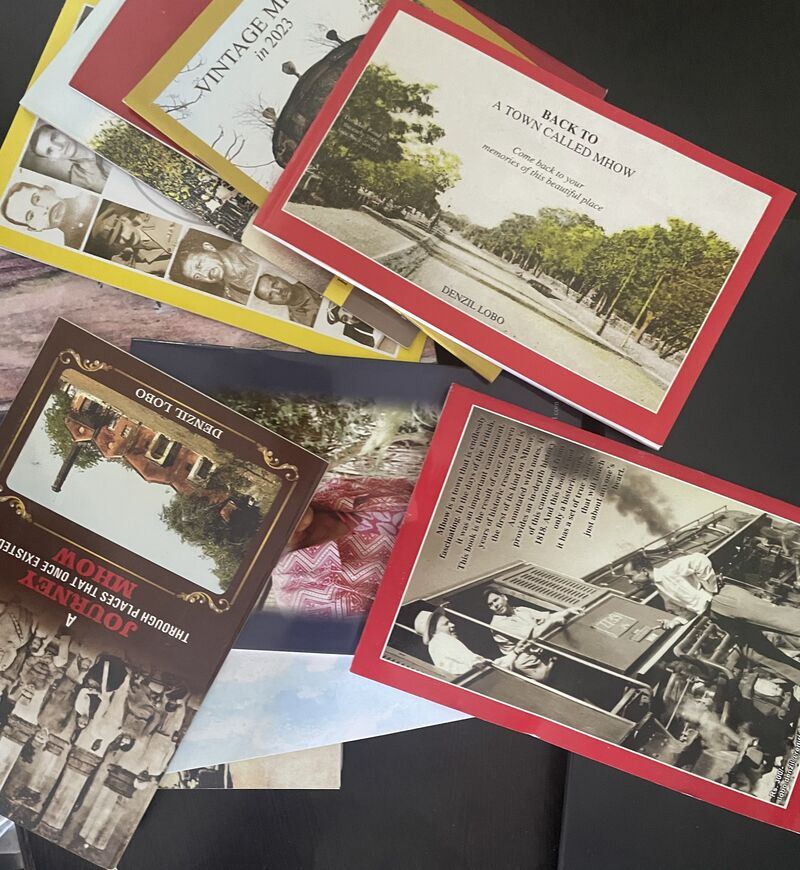 Old Mhow, on paper
Back to a Town Called Mhow, A Journey Through Places That Once Existed. Old photographs of the same streets, from long before I walked them.
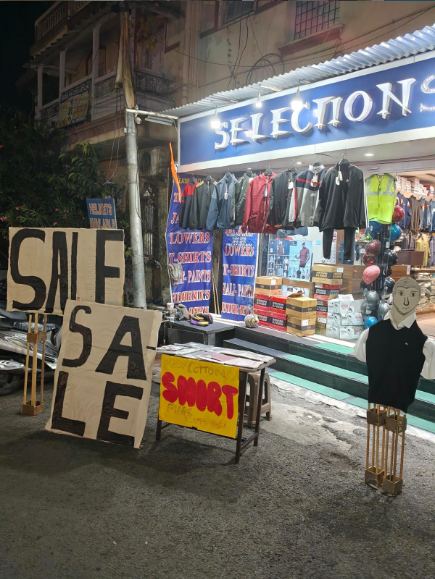 Our shop, my first campaign
One evening I built my own street-side sale setup outside our shop with posters, mannequins and jugaad. Customers didn't rush in. But I had fun doing tiring work.

Then, in Grade 8, I was bullied.
I did not have much exposure to the world beyond that circle. I had never really explored my passions, travelled deeply, or met enough different kinds of people to question the assumptions I had grown up with. Yet I thought I understood the world.
I had stood up for a friend who was being mocked. I became the target instead. What followed was ridicule, isolation, being made an outcast, and at times being physically hurt. What stayed with me was not only what happened, but the fear it created: the fear of being alone, the fear of being seen as an outcast, the fear of not being approved of.
I stood up for a friend who was being mocked. I became the target instead.
Ridicule. Isolation. Being made an outcast.
The fear of being alone. The fear of not being approved of.
School was my whole world, so its opinion became my measure.
I needed another world.
Because school was my whole world, I began treating other people's opinions as a measure of my own existence.
I started trying to earn approval. Sometimes I conformed to people around me. Sometimes I tried to dominate them. I fought. I sought attention. I pretended to be tougher and more confident than I actually was. I became cynical. I was rude and disrespectful toward people, including teachers and even my parents, despite knowing that there were people who genuinely cared about me.
I was trying to survive inside a hierarchy I had mistaken for the whole of society.
Years later
Sitting in a school washroom with a group of boys I considered my friends, I looked down at the scar on my hand, the scar from when I had been bullied. I was doing things because they made me look rebellious and gave me attention.
I had begun becoming like the environment that had once hurt me.
The world became larger
Then came AFS Japan.
I had initially joined because it sounded exciting. I did not fully understand how deeply it would affect me. I was selected as the sole participant from India for a roughly five-week intercultural exchange.
On January 20, after another fight at school, my father told me I had been selected. I was almost indifferent. Only after going to my room and sitting down did I understand what it meant: for the first time, I was going abroad alone, across two oceans, to a country I knew almost nothing about.
When I arrived, I met students from different parts of the world. But even there, at first, I was still seeking attention. I had changed countries, but I had not changed myself.
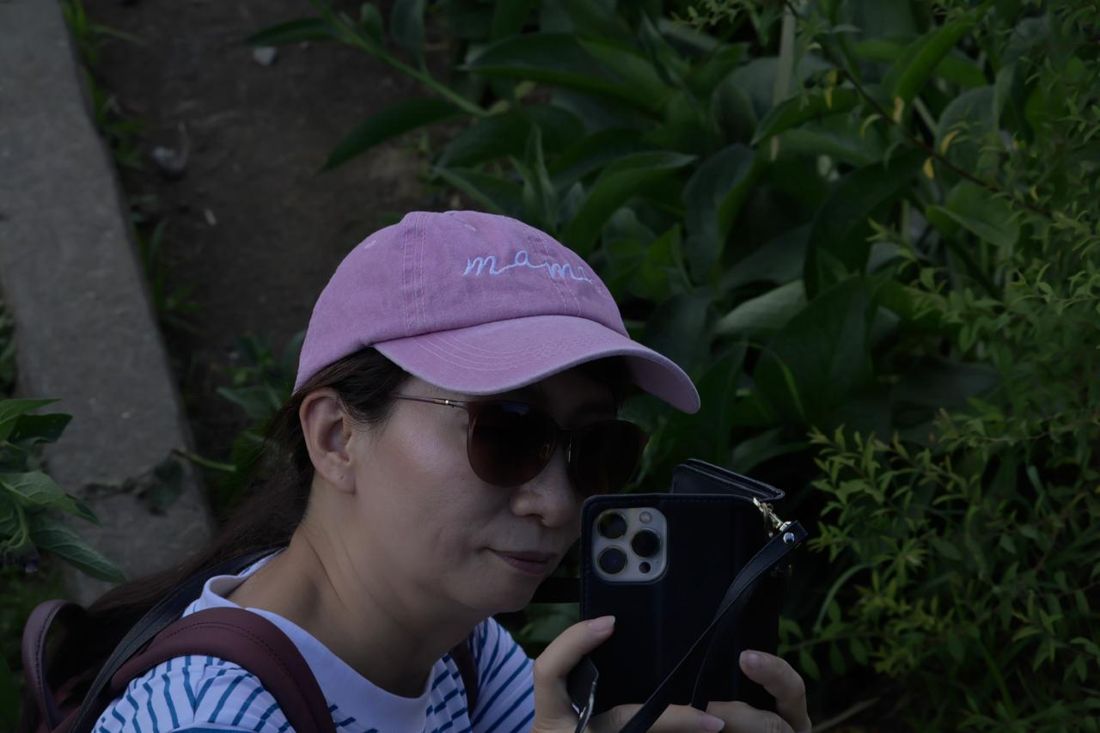
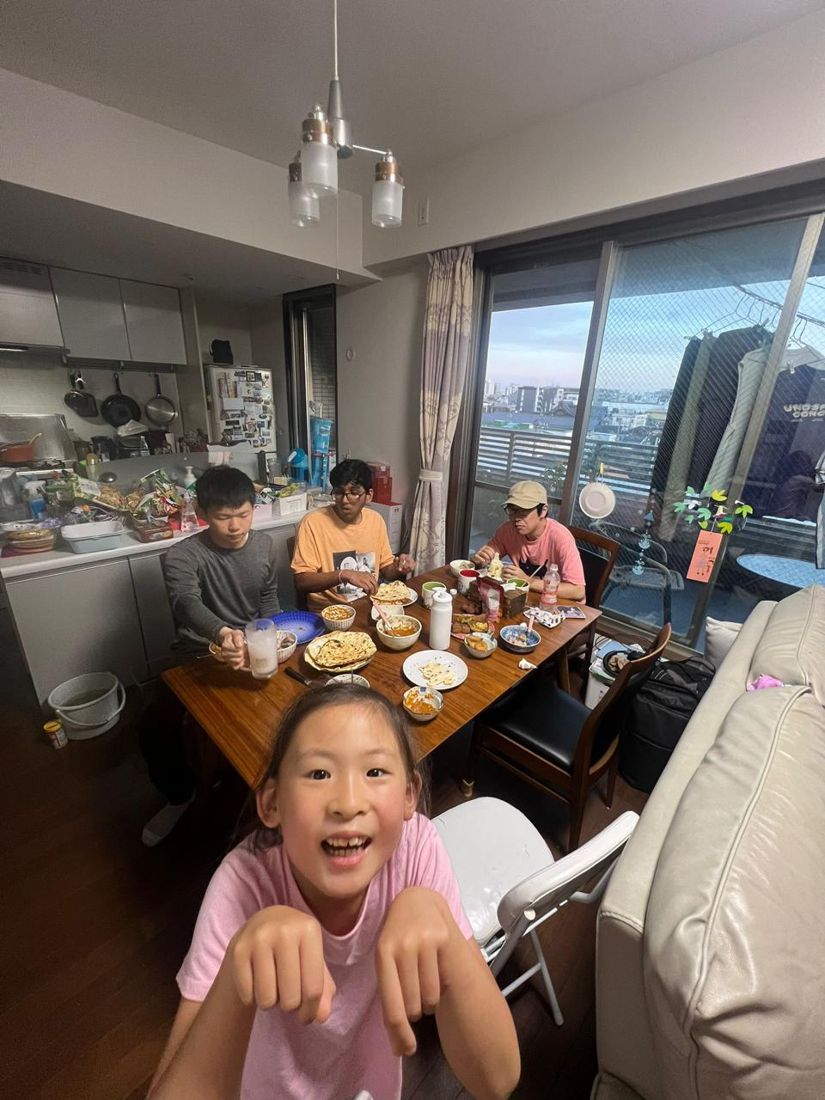
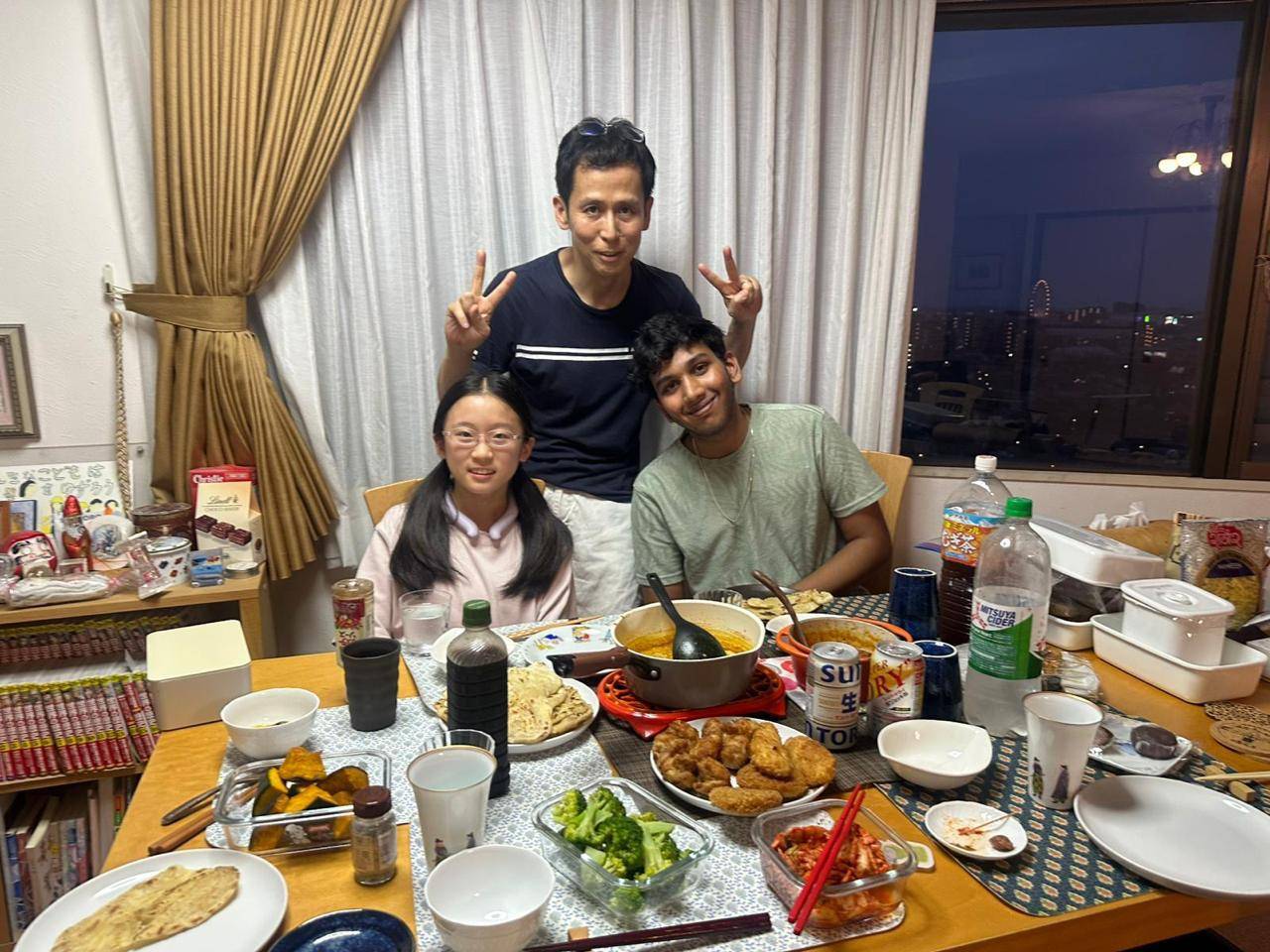
My host mother once travelled roughly 20 kilometres at 5 a.m. because she did not know what I liked to eat and wanted to bring me vegetarian breakfast.
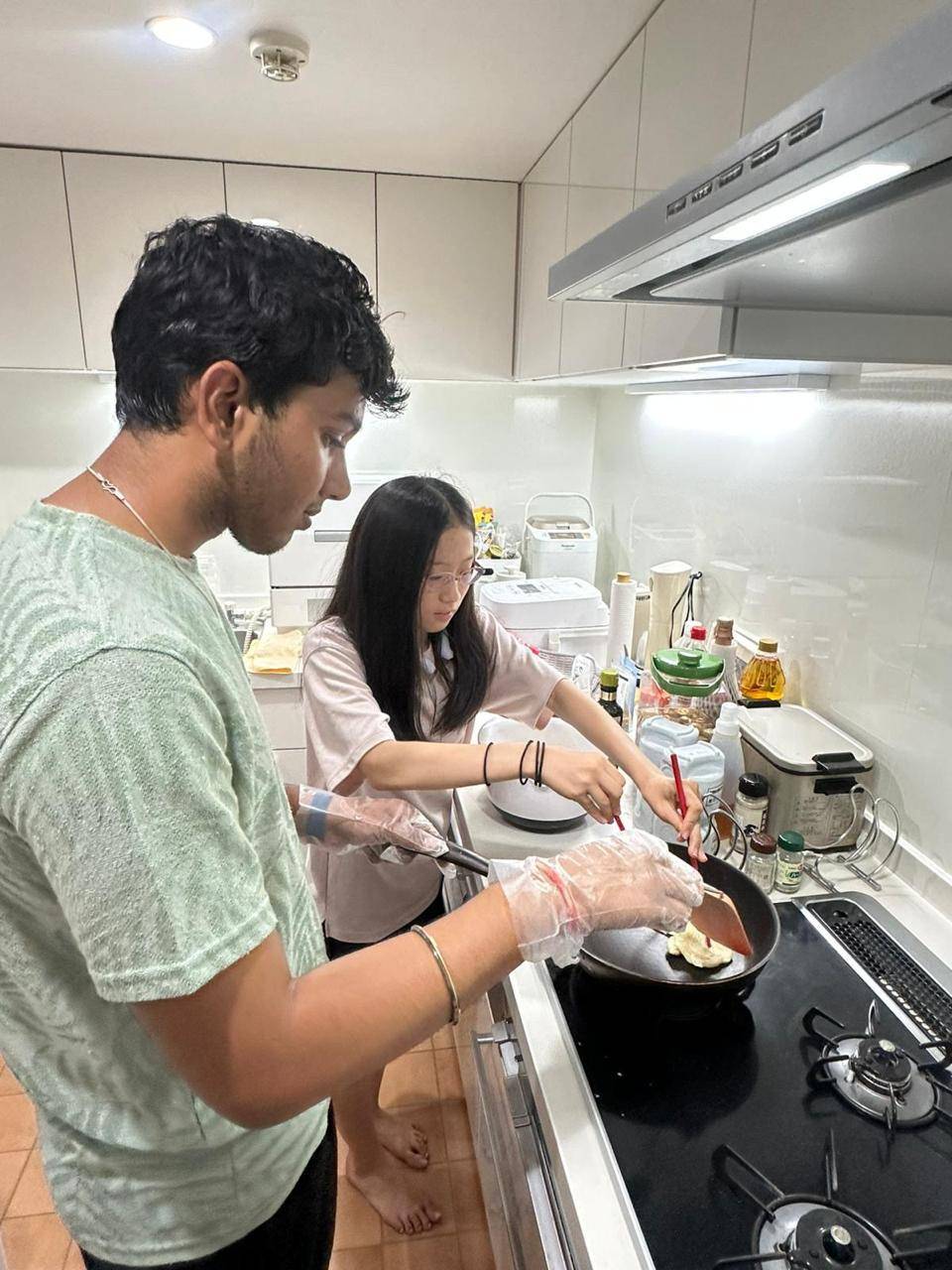
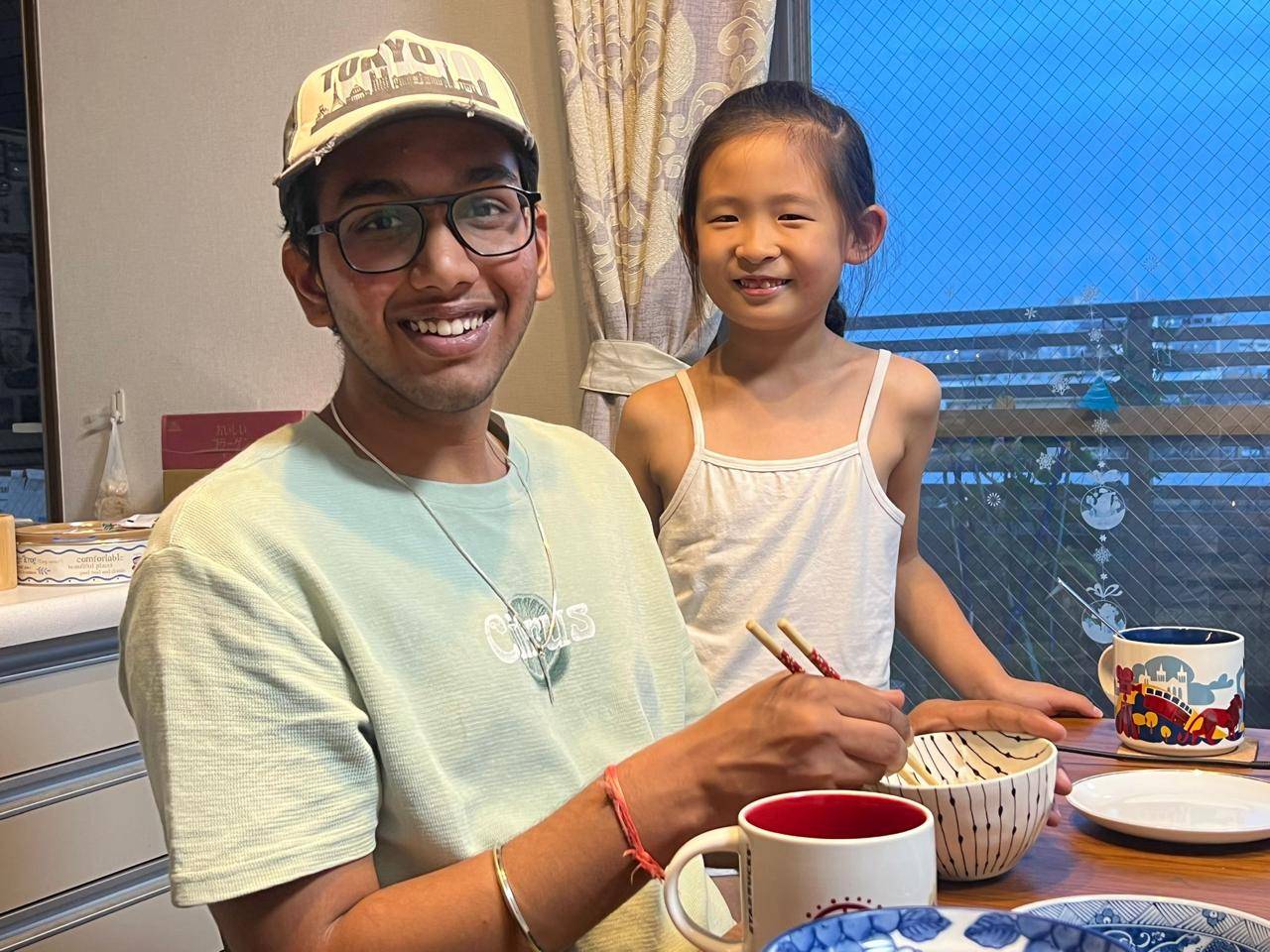
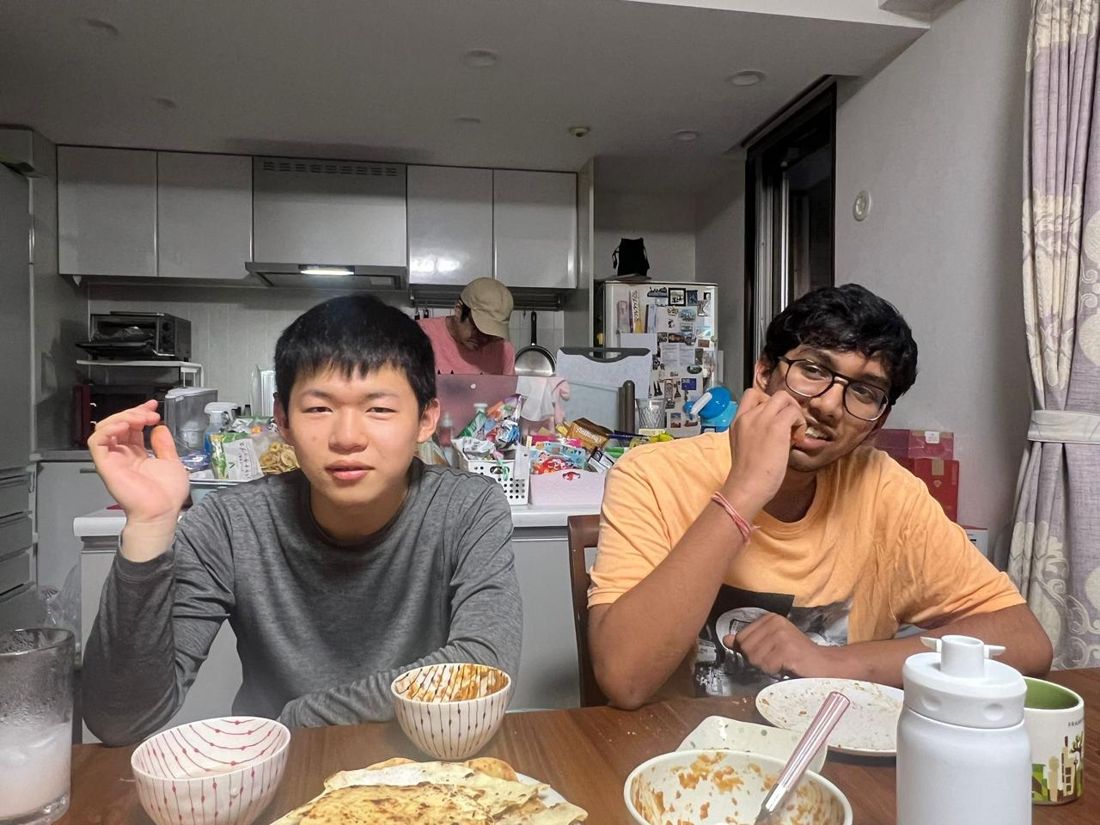
My host brother told me that he too had experienced bullying. But he could speak about it openly, even in front of a crowd.
I did not know what to make of that kind of kindness.
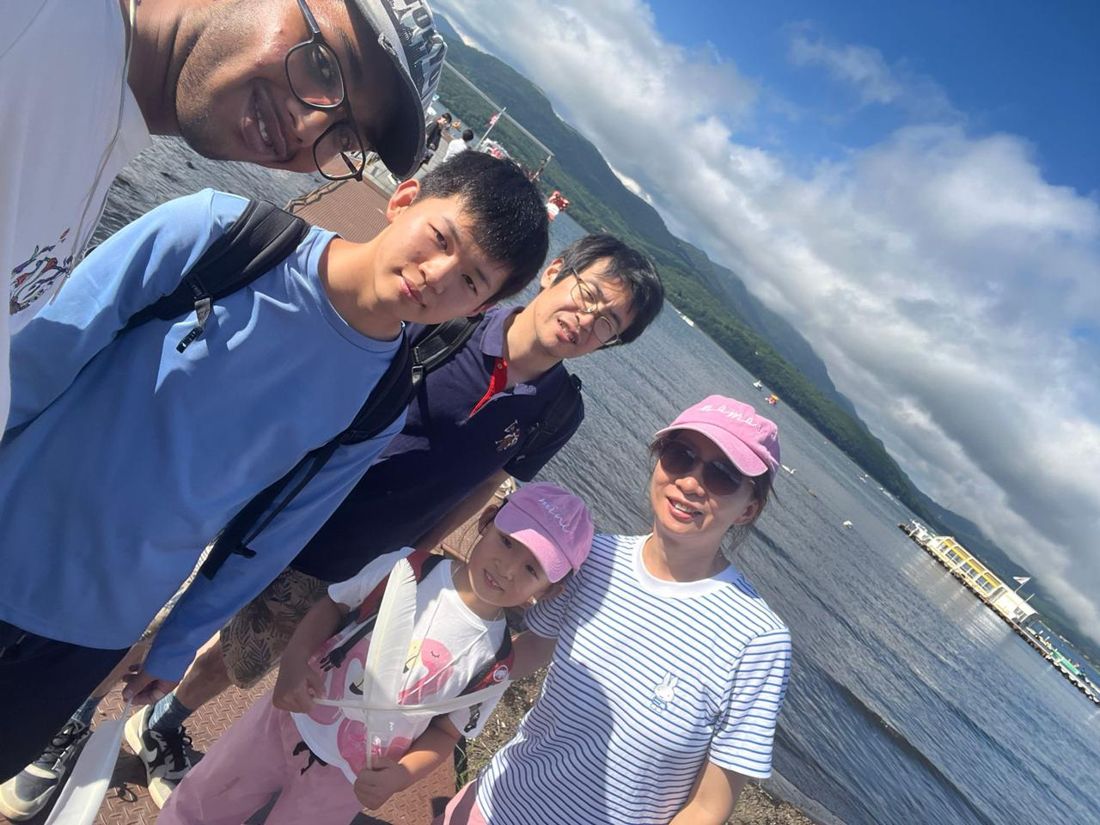
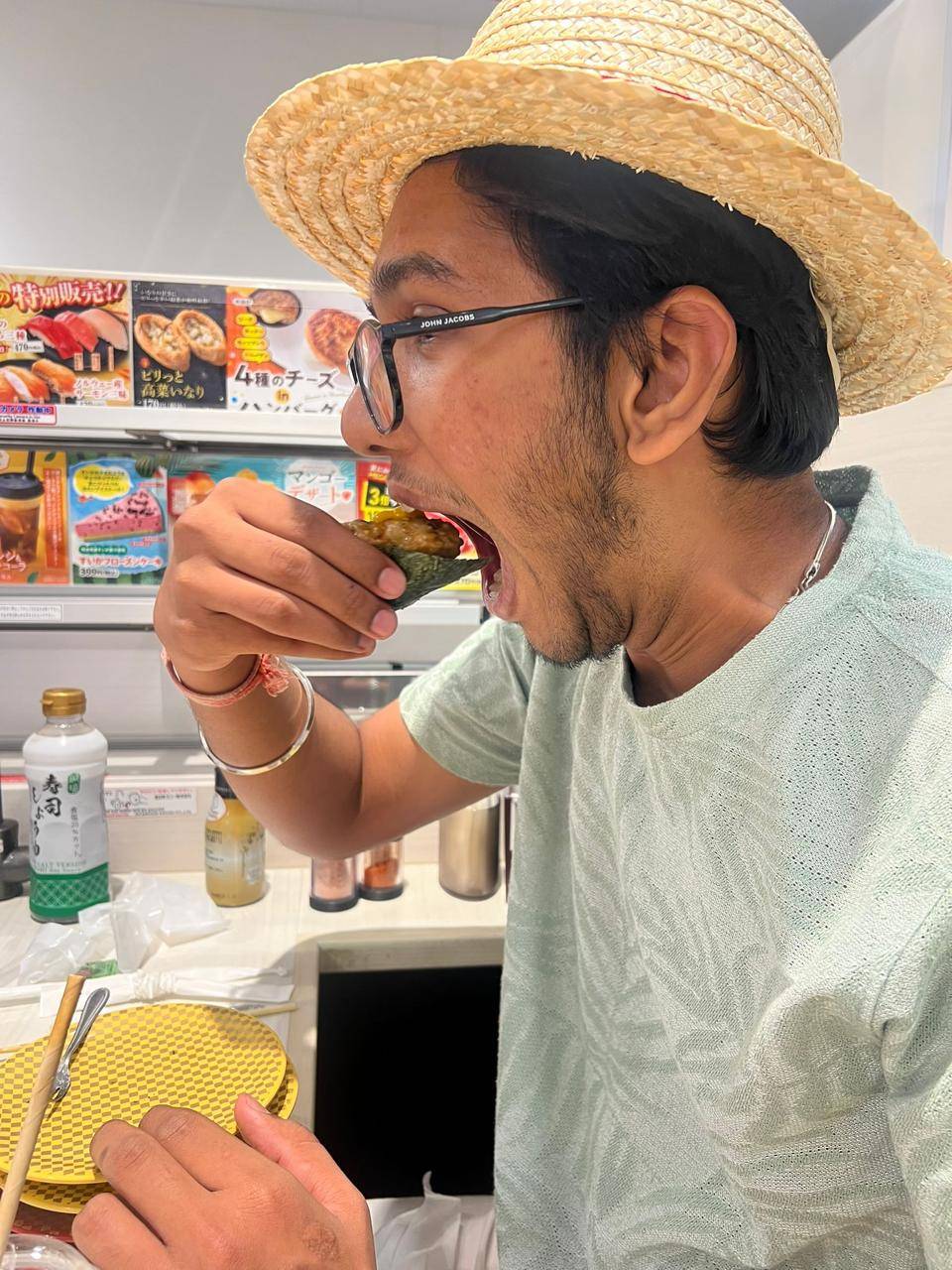
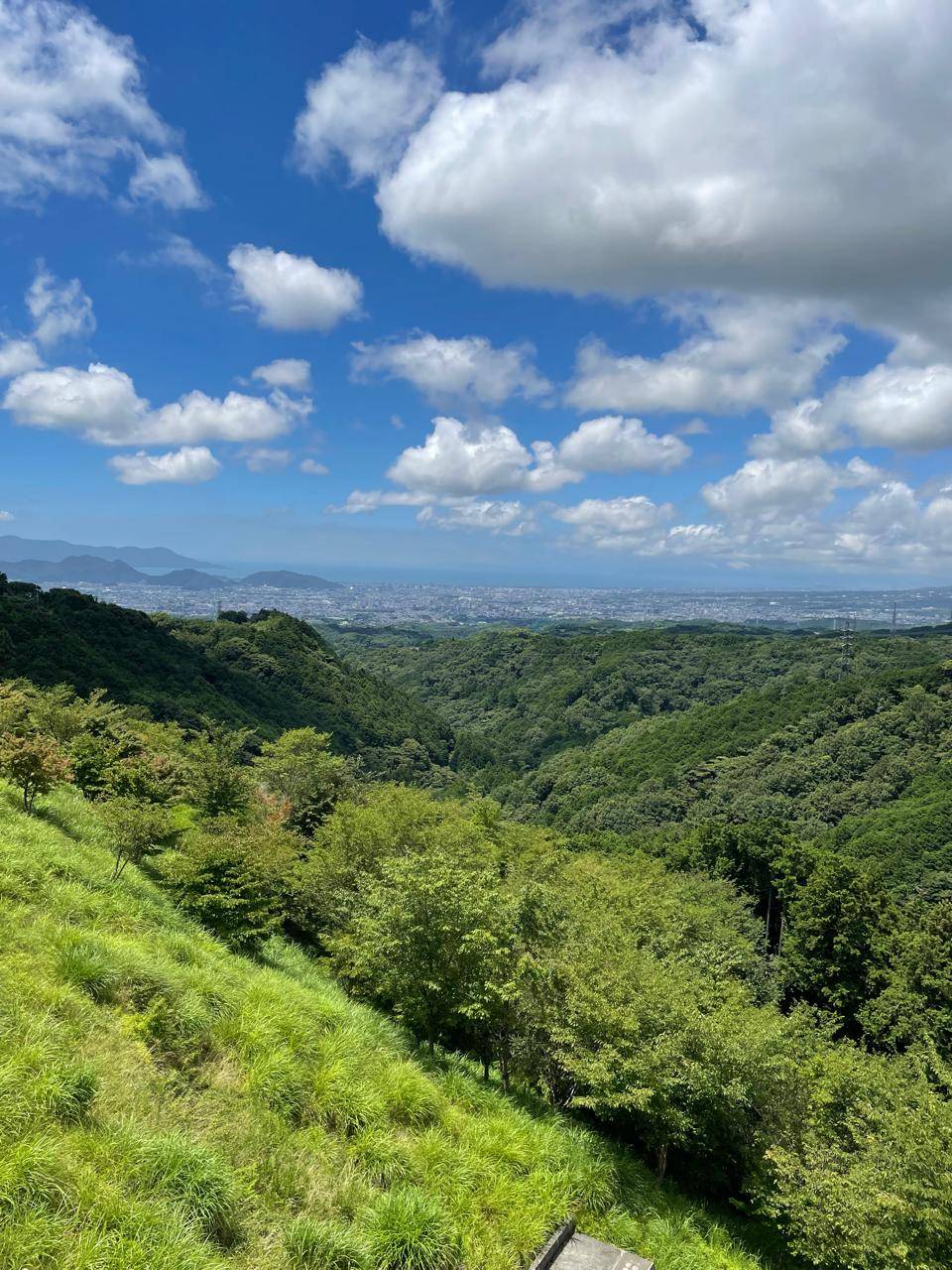
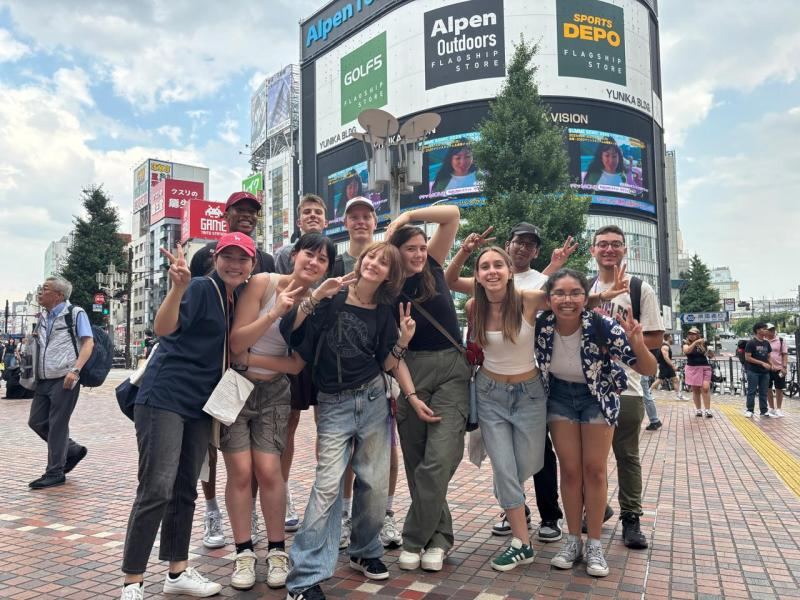 Tokyo
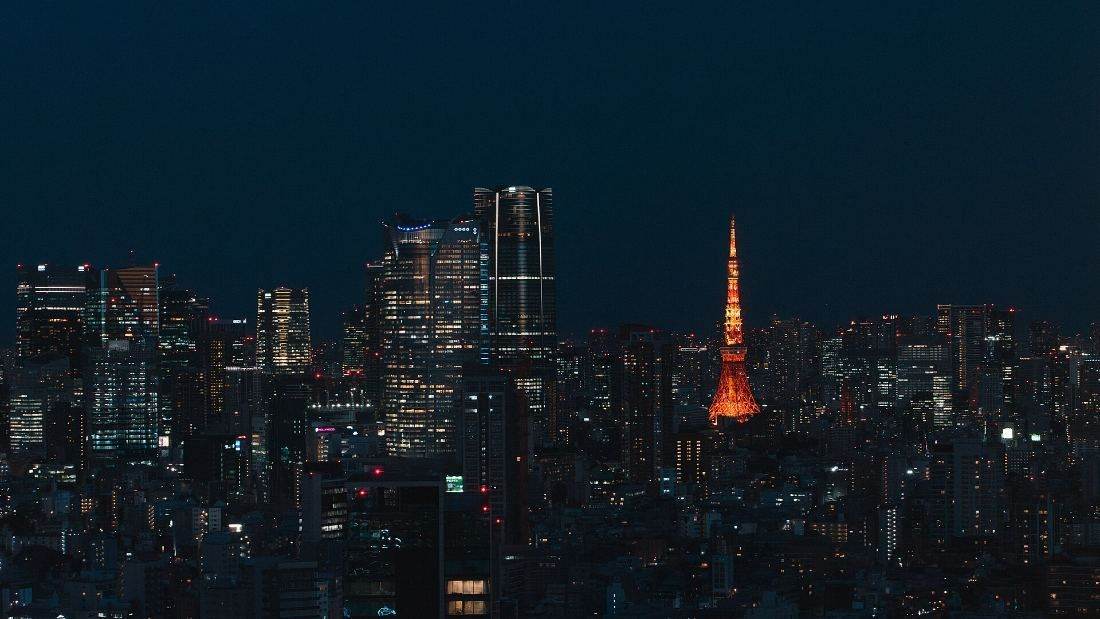
Peace signs at a busy Tokyo crossing, a few weeks after we had all been strangers.
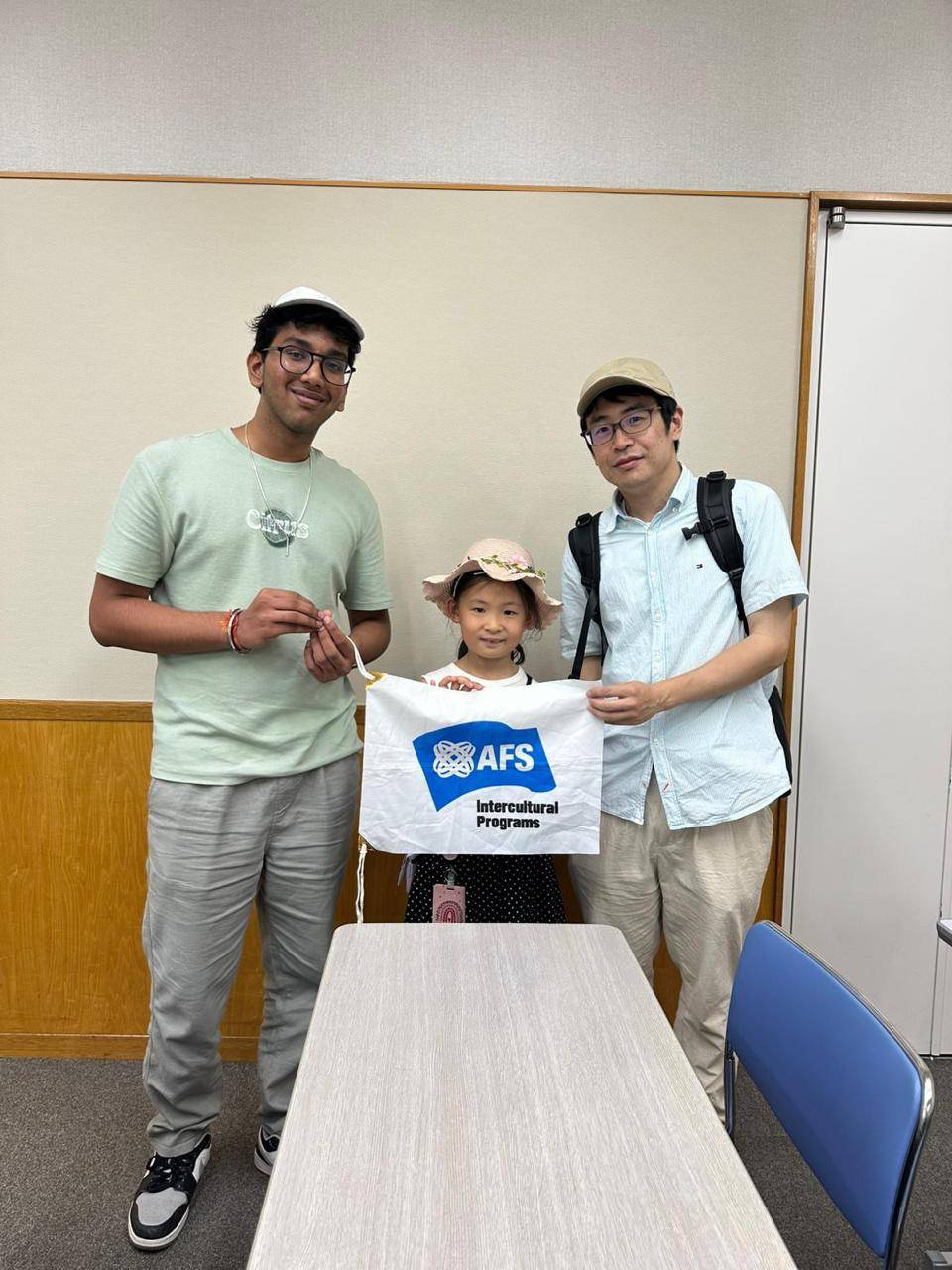
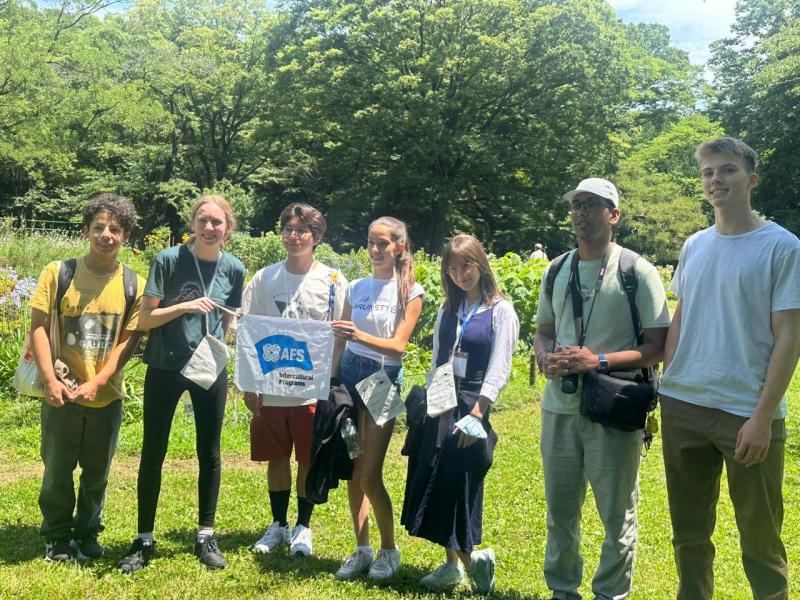 AFS
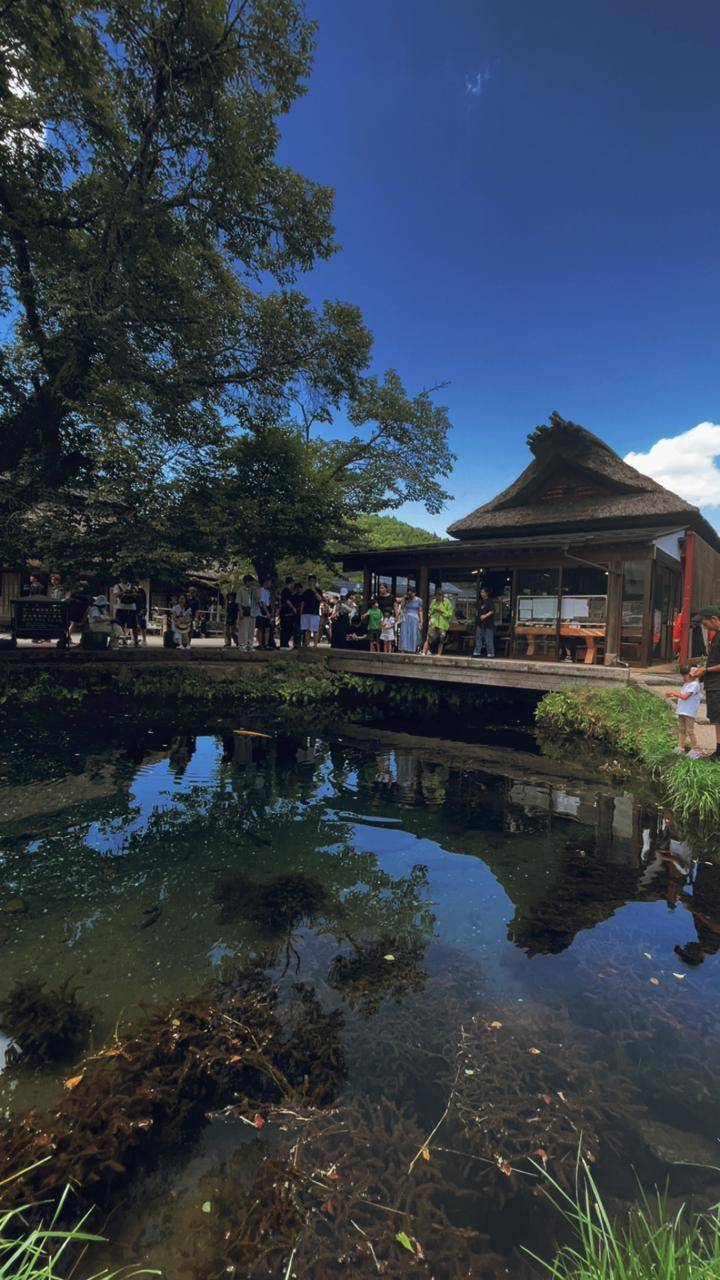
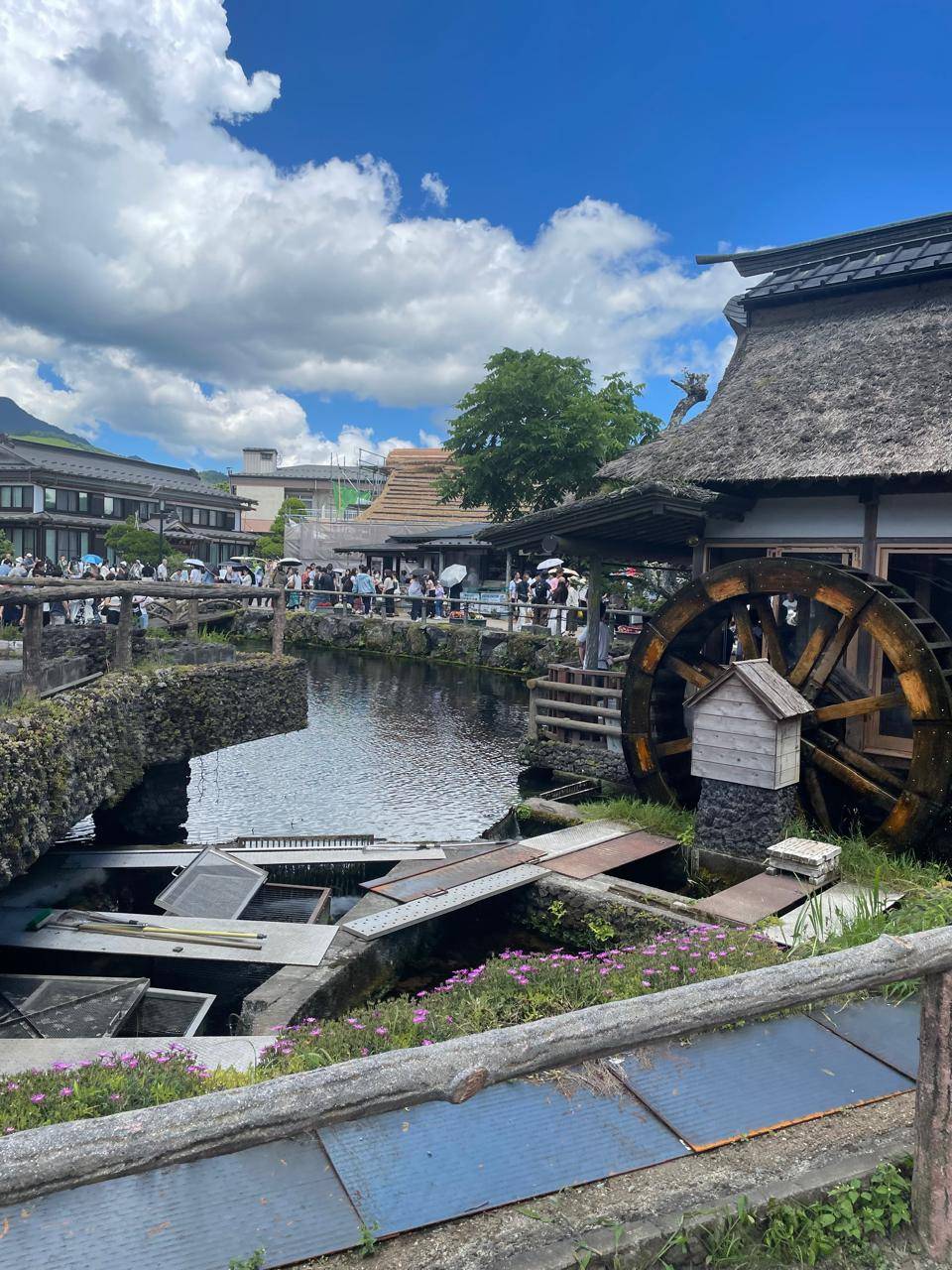
Students from different countries, one AFS flag, and a very green Japanese summer.
Sometimes I was lying in the quiet countryside. I was getting lost, adapting, listening, making mistakes, and continuing.
And slowly, something happened. The hierarchy I had spent years obsessing over began to look strangely small.
Japan gave me the freedom to choose what kind of person I wanted to be.
From seeing the world to seeing my own country
After Japan, I realised something almost embarrassing: I had travelled outside India before truly understanding India.
So I began exploring. I travelled through villages, forests, tribal regions, towns, and cities. At first, I went simply to see places I had never seen before.
Then I began observing. Different cultures seemed to appear every few dozen kilometres. Different languages. Different ways of eating. Different community structures. Different beliefs. And alongside those differences were different forms of inequality and different social problems.
So I began exploring: villages, forests, tribal regions, towns, and cities.
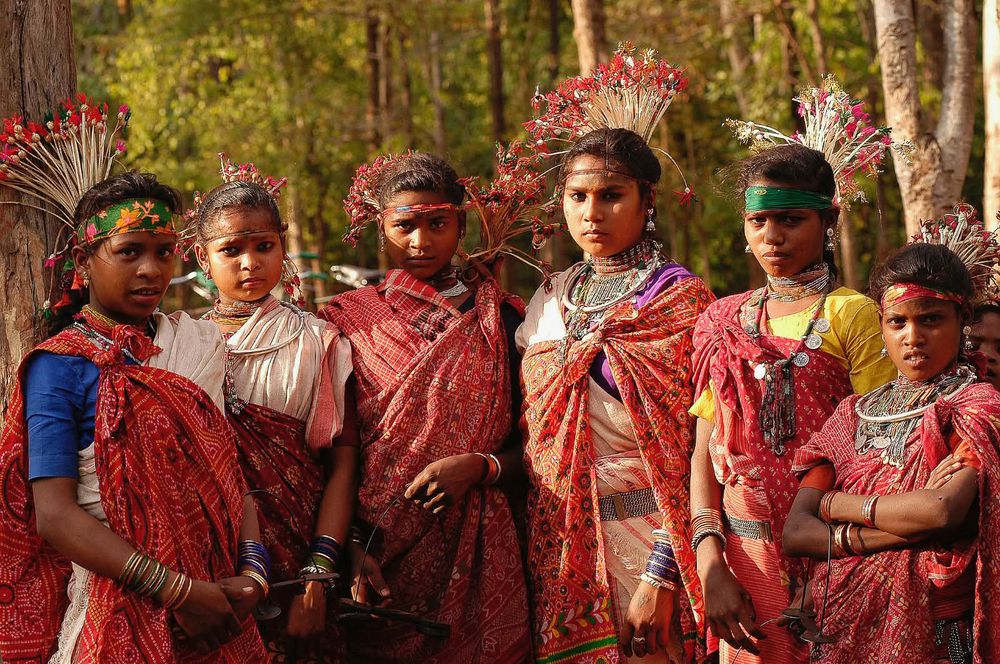
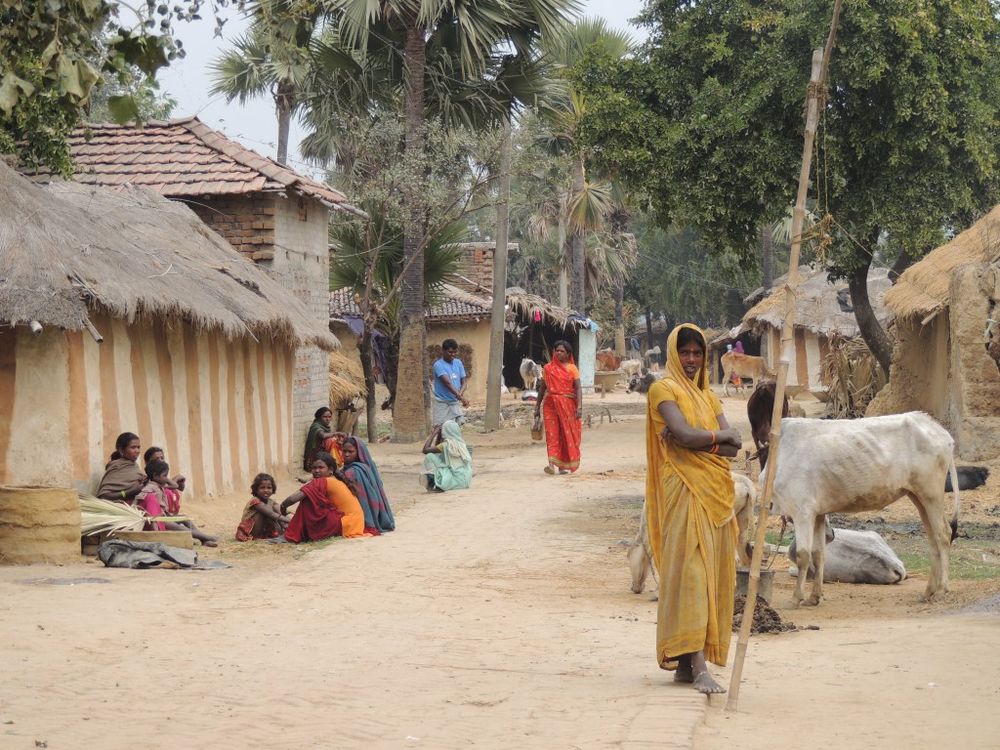
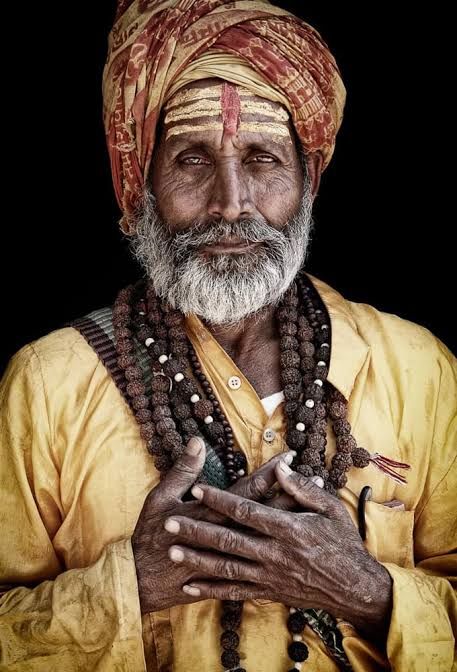
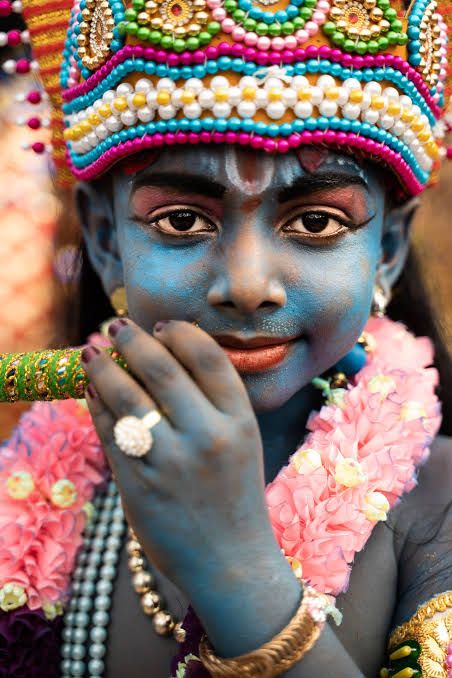
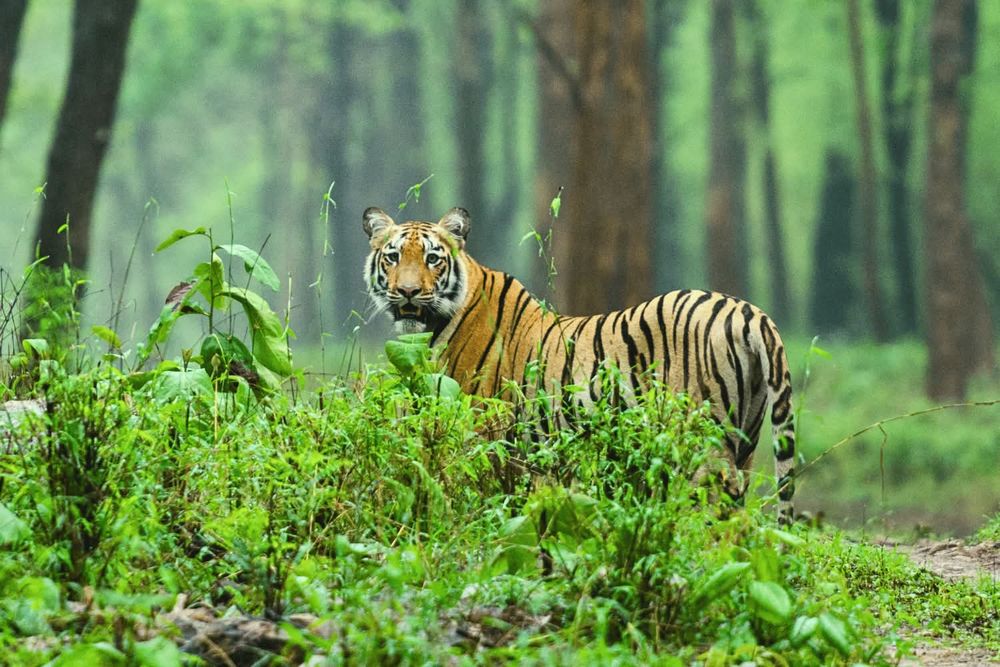
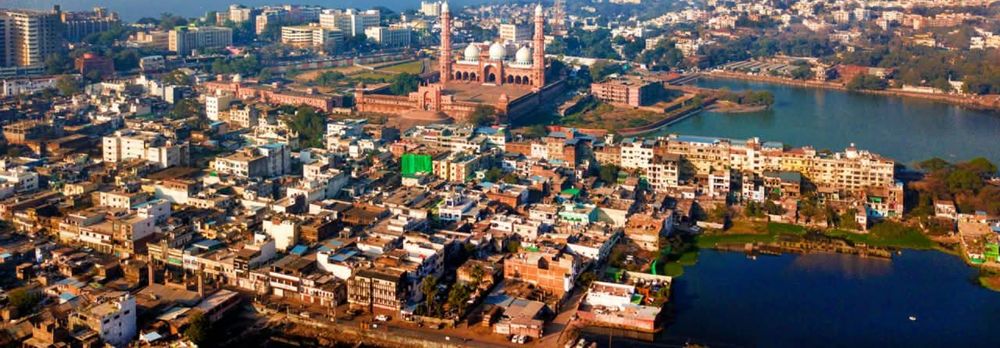
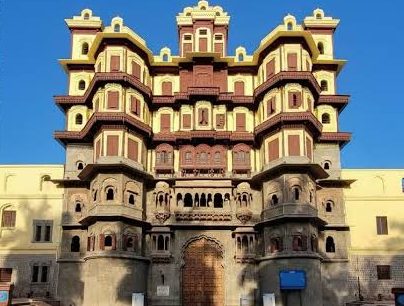
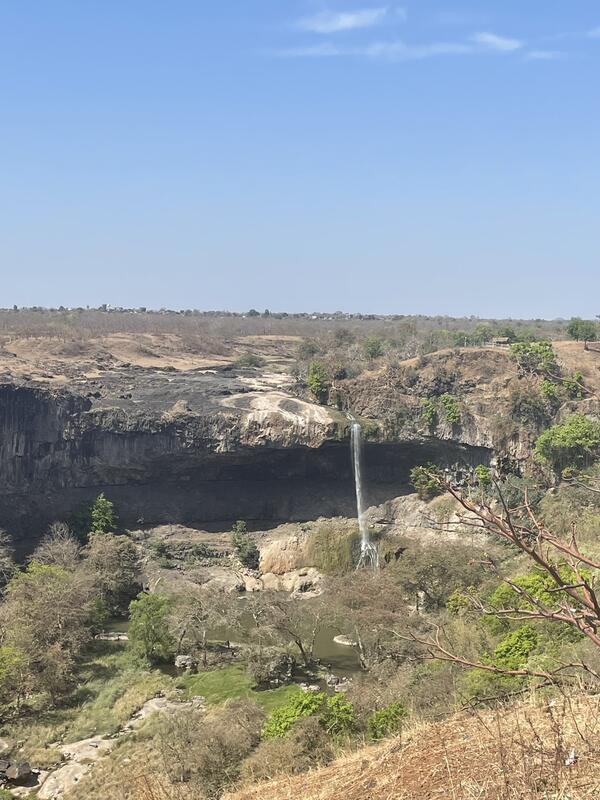
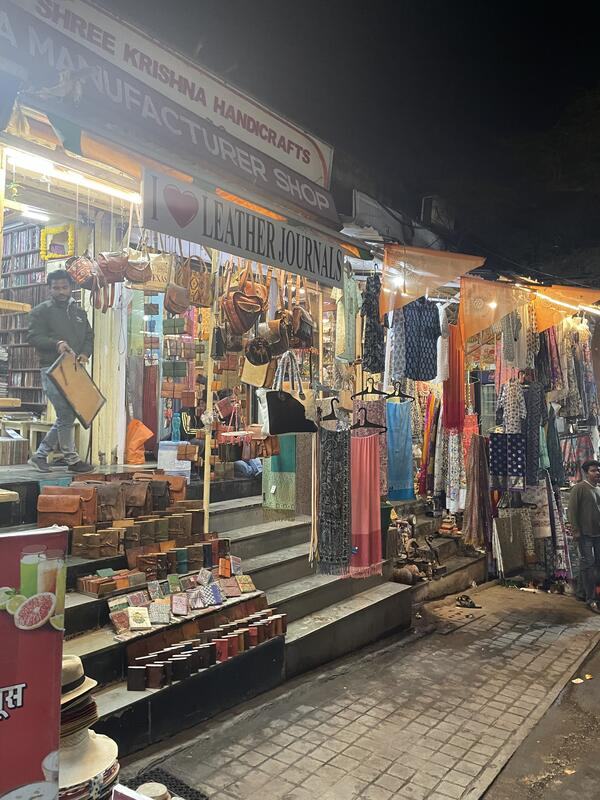
Different cultures seemed to appear every few dozen kilometres: different languages, different ways of eating, different beliefs.
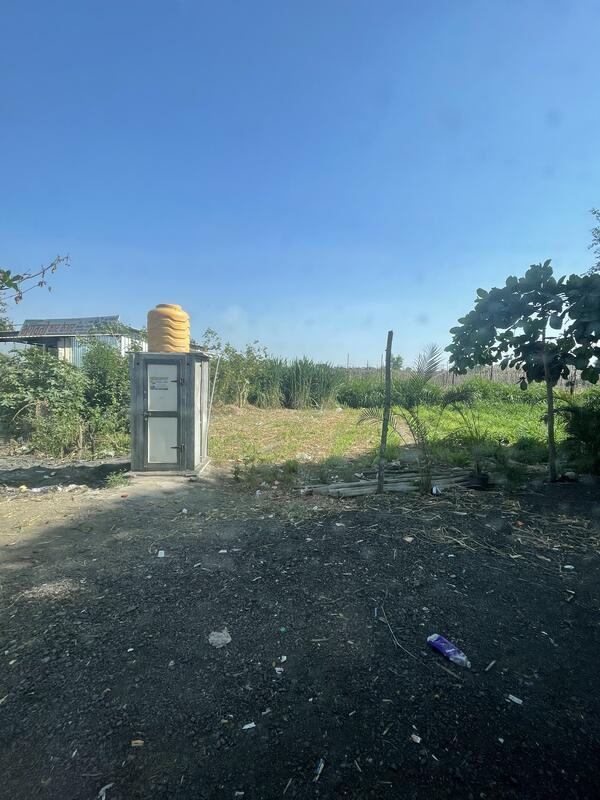
Lives almost completely outside the urban world I knew, where clean water, sanitation and electricity were not a given.
Different community structures, different beliefs, and traditions that still shape everyday life.
The same country, a new face every few dozen kilometres.
At first, I went simply to see places I had never seen before.
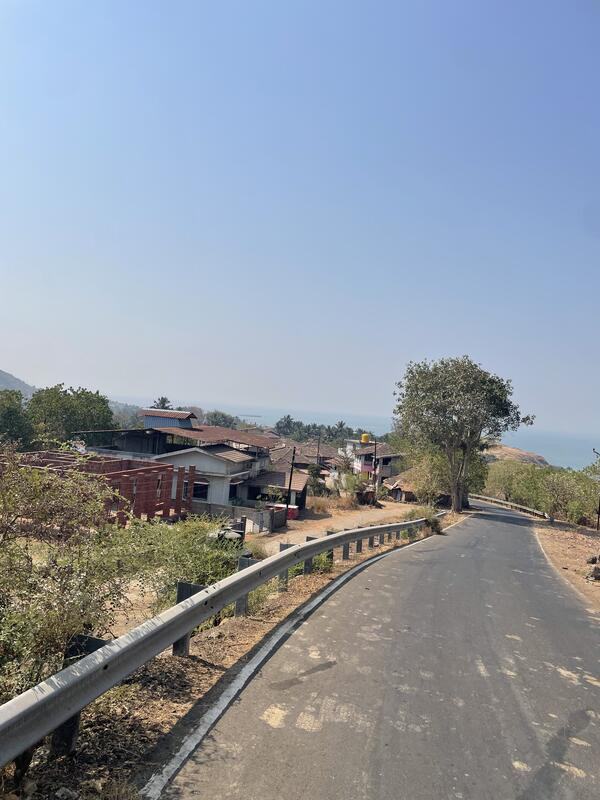
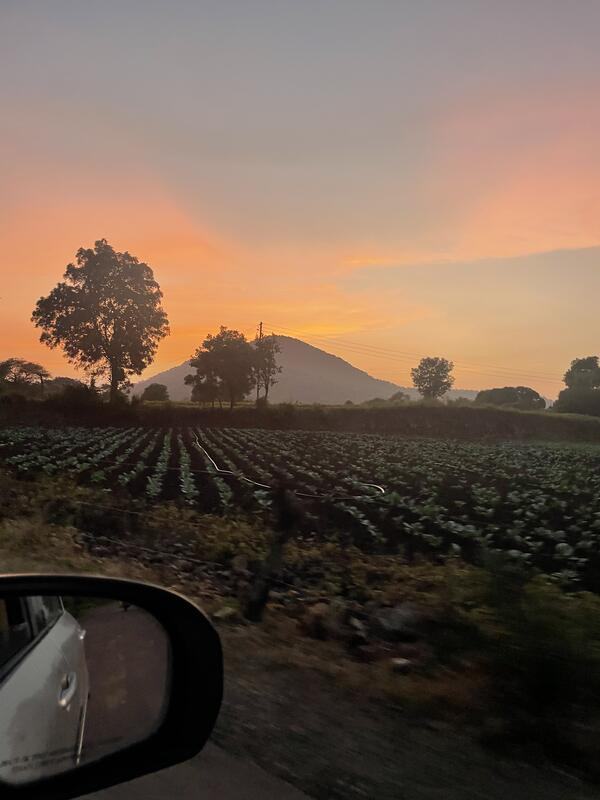
The capital of Madhya Pradesh. Towns and cities came with their own inequalities and social problems.
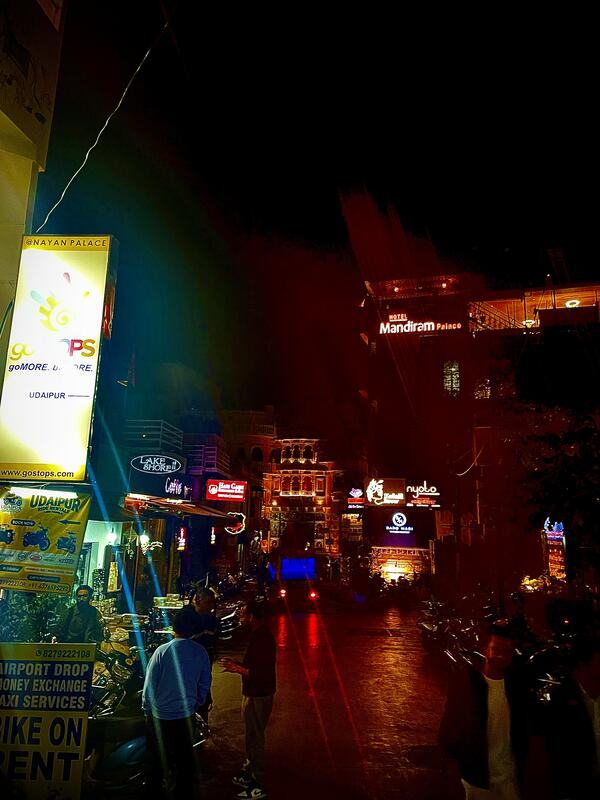
The city closest to home, seen with new eyes. Travel changed the question I was asking.
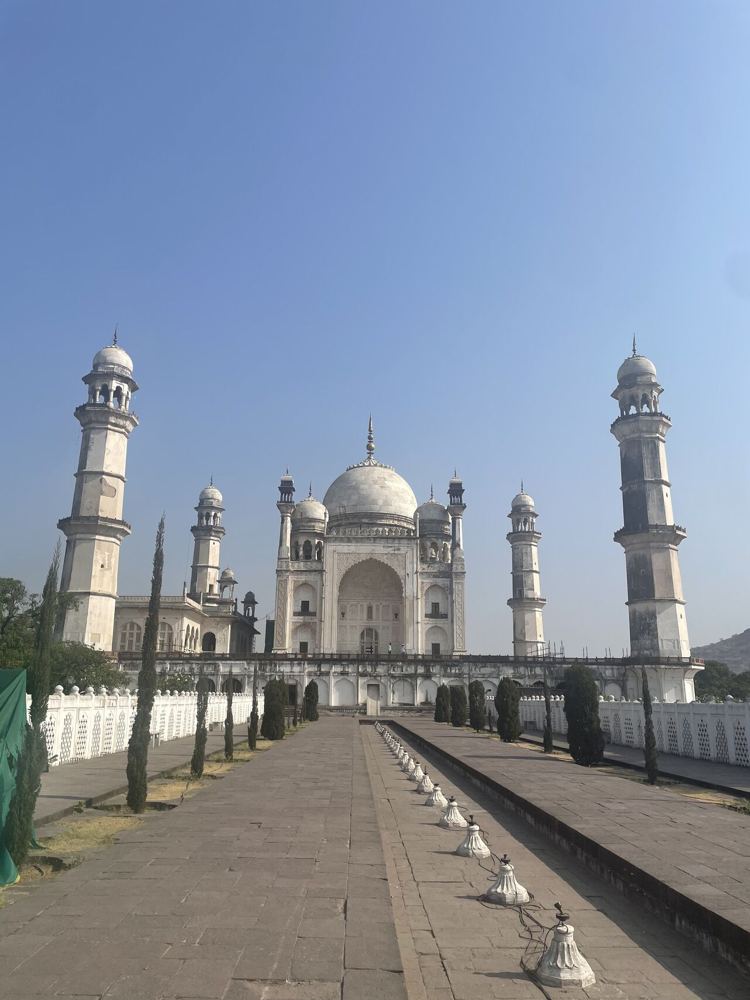 Bibi Ka Maqbara
Marble, minarets and a long straight path. It is often called the Taj of the Deccan.
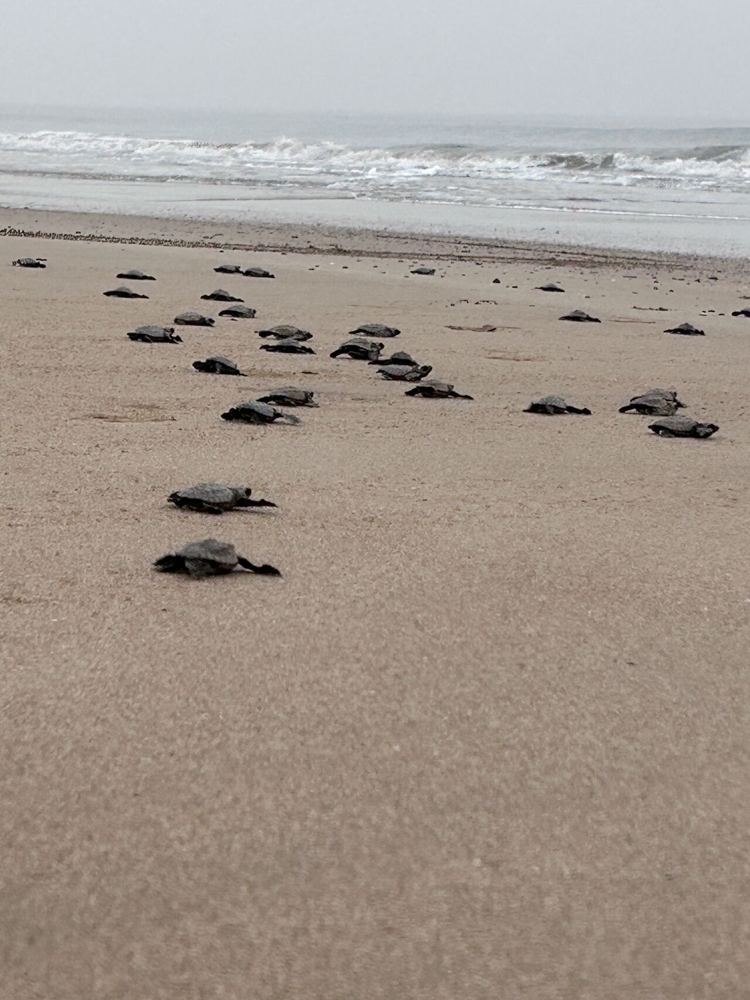 Hatchlings
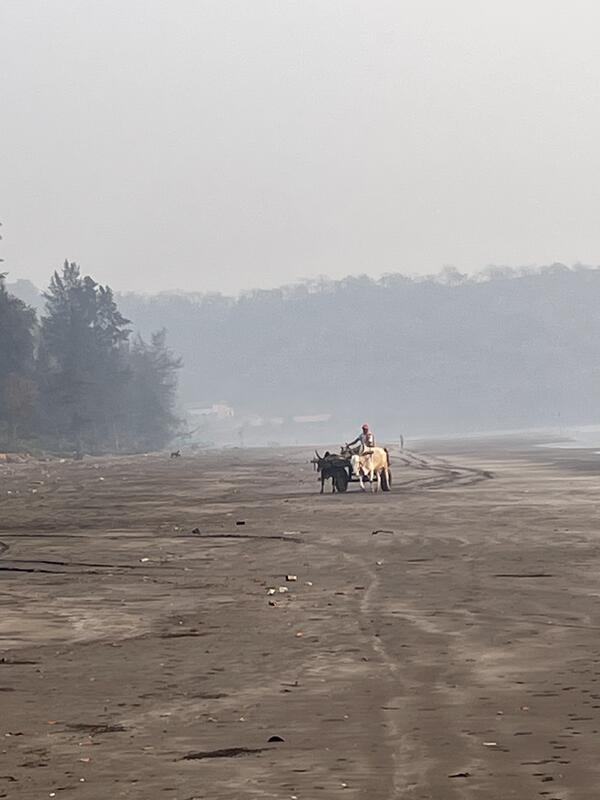
Dozens of tiny turtles crawling towards the waves. One of the quietest, most hopeful things I have seen.
A boy running barefoot along a muddy road. His feet were still marked by blisters from the summer, yet he was delighted by the rain.
Because, for a little while, his feet no longer burned.
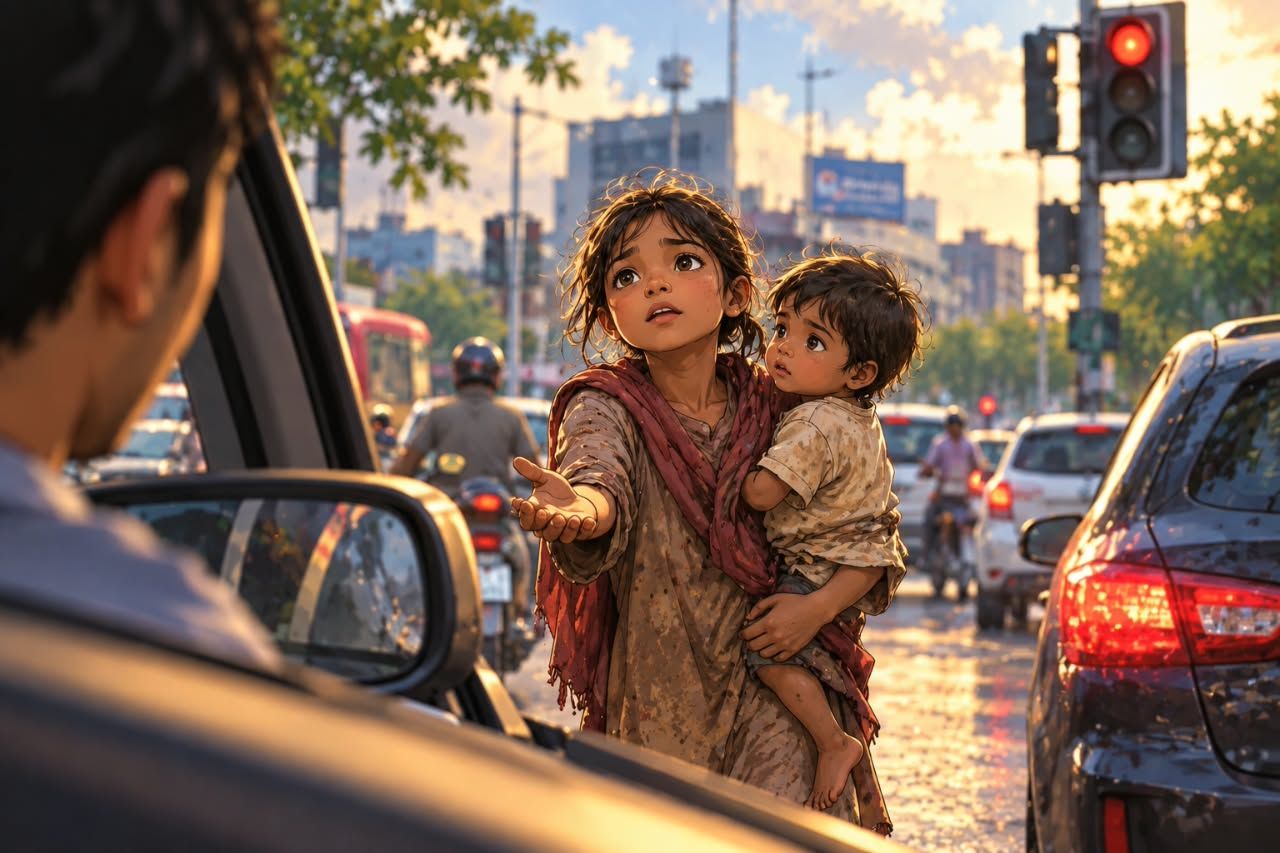
A child knocking on the glass of my car in traffic, carrying a younger sibling and trying to make a living.
The light turned green. The cars moved. And she disappeared.
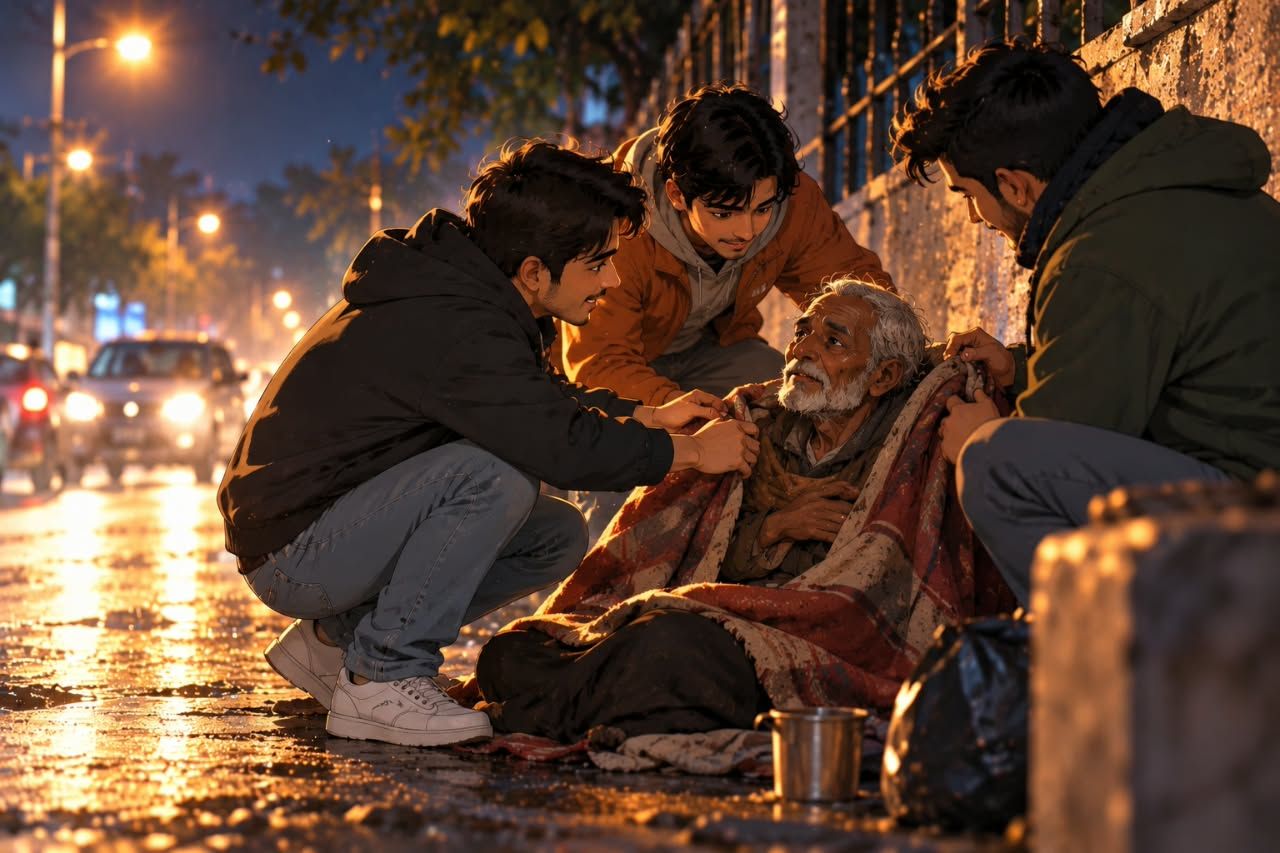
An old man lay trembling in the cold. A group of strangers covered him with a bedsheet, and left.
No names. No photographs. No recognition. Just an act of kindness.
Then there was the winter night.
An old man lay on the ground, trembling in the cold.
A group of people appeared.
They covered him with a bedsheet.
And they left.
No names. No photographs. No recognition.
Just an act of kindness.
Trying to solve my own pain point
After returning from Japan, I wondered whether other adolescents were facing the same problem. I imagined two groups of people.
trapped in school, approval, image, and immediate validation
who have lived decades of success, failure, loss, and change
What if those two worlds could meet?
Not for career advice. For perspective.
I researched adolescence, identity formation, conformity, and youth development. I conducted interviews and surveys with students and older people. I visited old-age homes. Then I tested the idea.
Young people, often trapped in school, approval, image, and immediate validation.
Older people who had already lived decades of life, with time and a desire for meaningful connection.
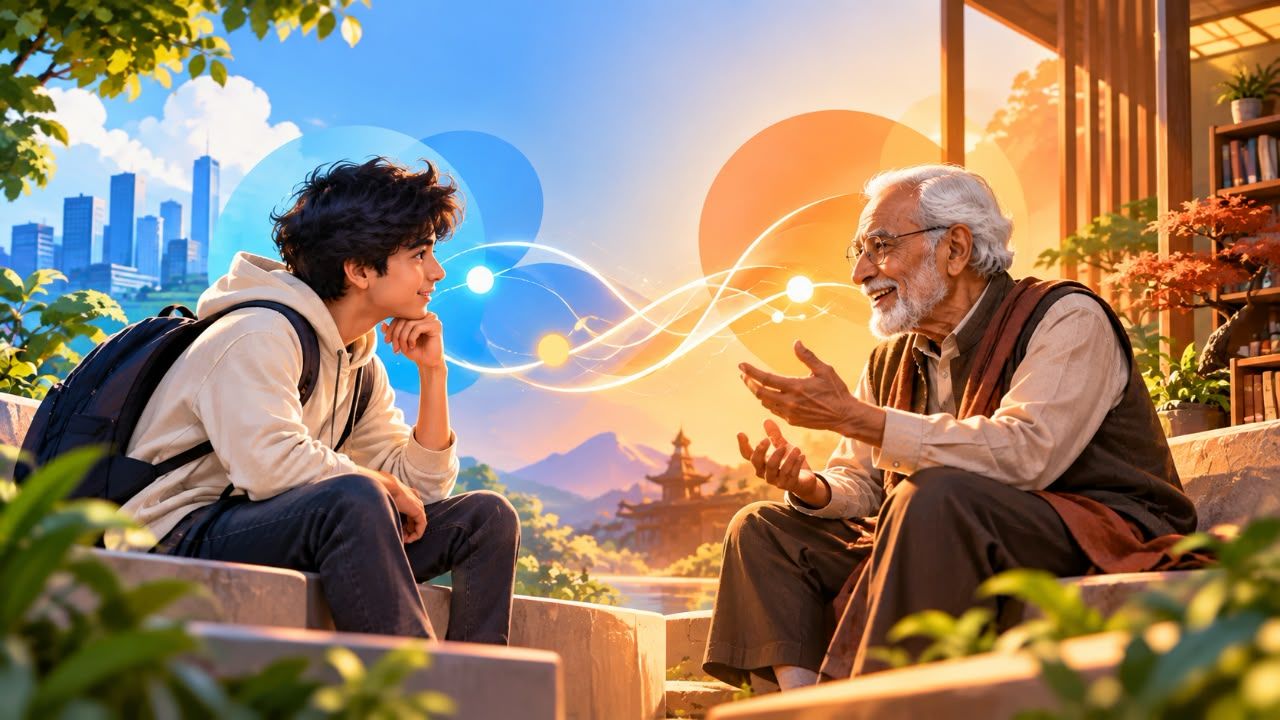
What if a teenager could sit down with someone who had already lived much more of life?
Not for career advice. For perspective.
That became Wisdom Talks.
The pilots did not work the way I expected.And that was important.
The problem was not necessarily the availability of knowledge. It was whether a young person actually wanted to act on it.
I realised that the content I wanted to give young people was already available everywhere. There were books. There were videos. There were podcasts. There were adults giving advice.
I also realised something more personal: I was still too early in my own journey to believe I could solve this problem. I wanted more exposure. More experience. More credibility.
So I stopped trying to force the idea and kept exploring.
Taking what I had learned to younger students
I knew that feeling. I had once believed my own world was tiny.
My next initiative came from something I had seen while travelling. I met young people who were intelligent and capable but who seemed to have a very small picture of what was possible for them.
I visited government schools and student NGOs. I worked with younger students, especially Classes 5–8.
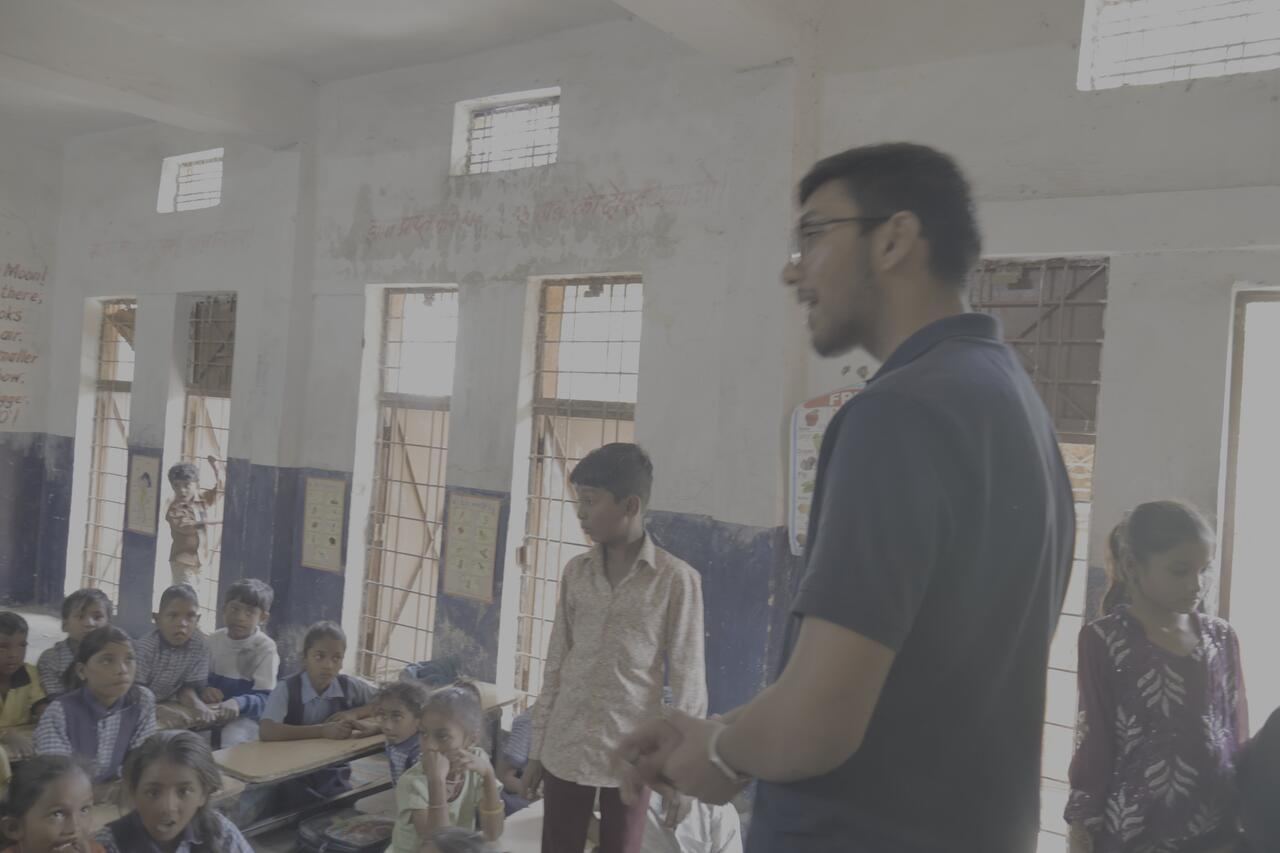
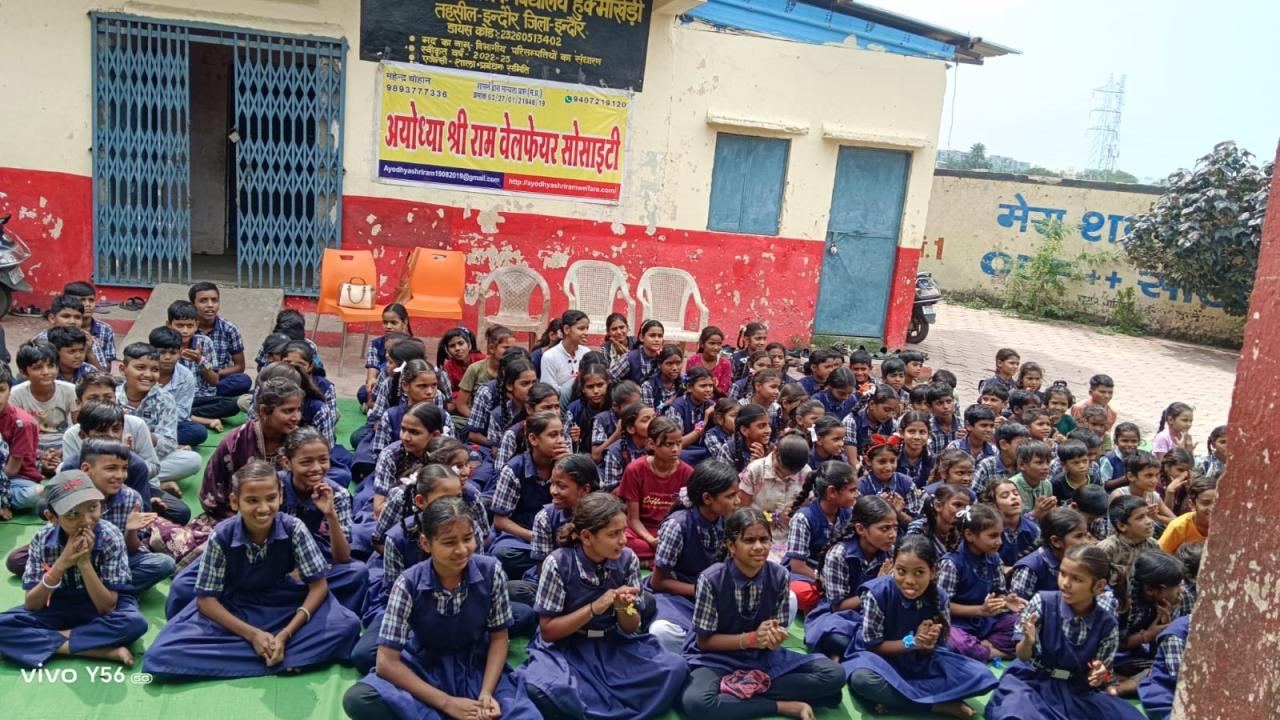
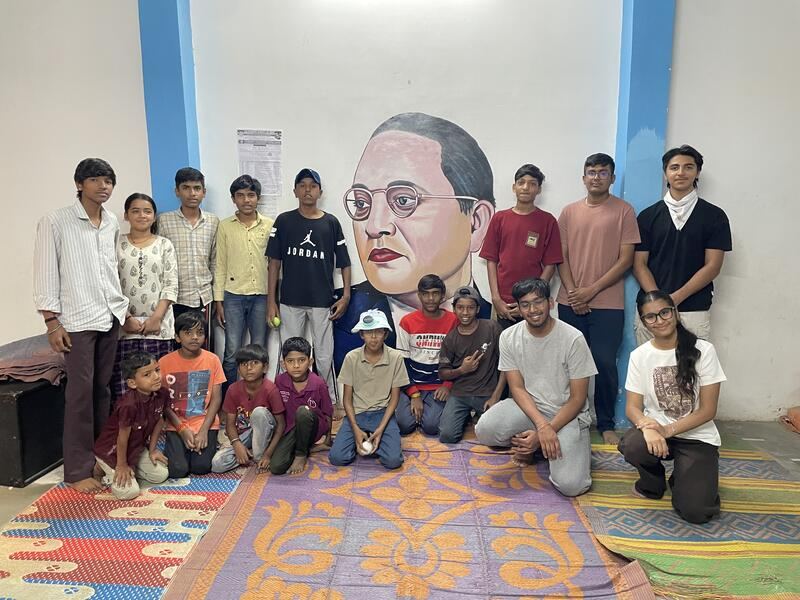
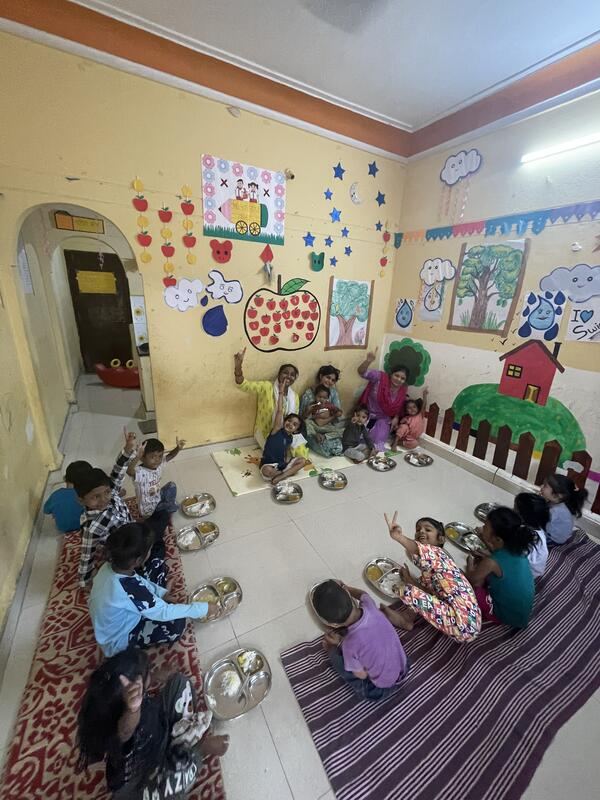
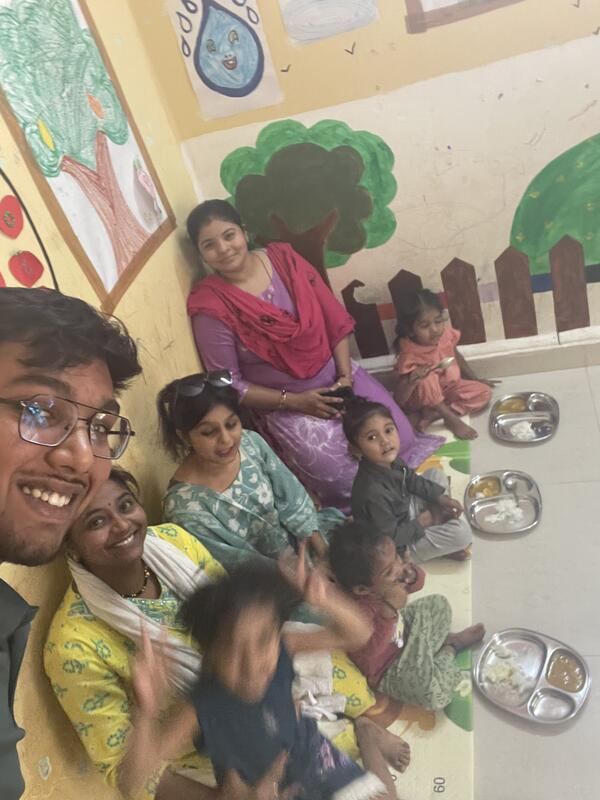
There is a much larger world outside the one you currently know.
A session with students in their school ground: stories, questions and a simple message. There is a much larger world outside the one you currently know, and you can still try.
Children do not exist in isolation. Their lives are affected by financial circumstances, family problems, abuse, health, where they live, and the environment around them.
Impact requires consistency, time, and understanding the whole environment around a person.
The idea of DoNeki began with an old man on a winter night.
A group of strangers had covered him with a bedsheet and disappeared. The next day was Diwali. I saw watches, phones, houses, cars, clothes, and wealth being displayed and admired.
And I kept thinking about that bedsheet.
Why does a watch communicate status immediately, while an act of kindness can disappear without a trace?


While building DoNeki, I had to become different people
DoNeki is still being built.
I had never been a programmer, so I learned to communicate product logic to developers instead. I had to persuade social workers who initially believed that good work should remain private. I had to think about how AI could verify deeds, and whether goodness could fairly be measured. And I had to accept that my first target audience was wrong.
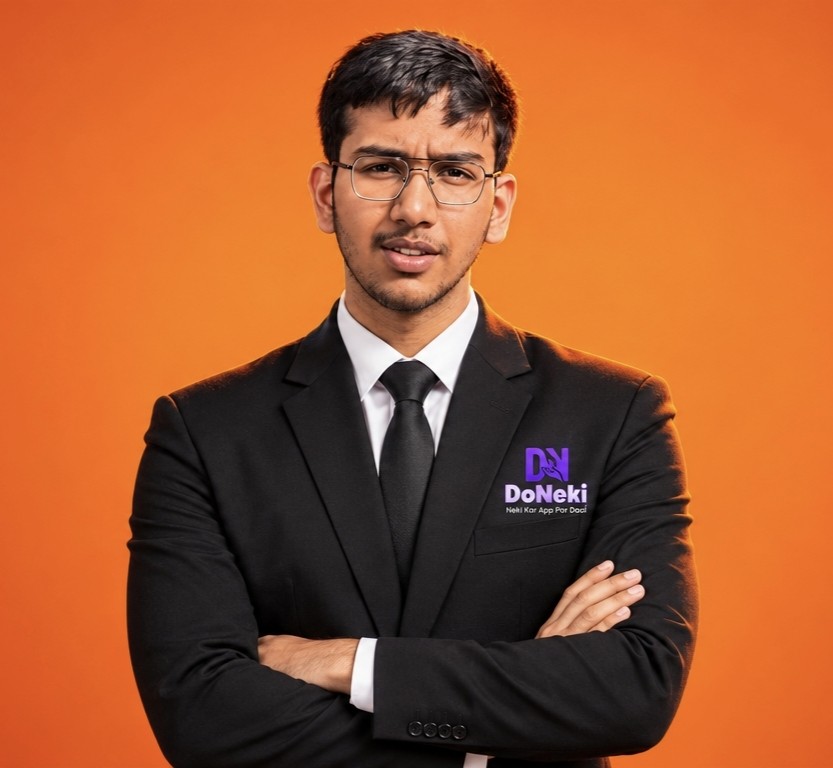 Founder · DoNeki
I once wanted recognition because I wanted to be seen.
Now I was building a system in which people could be recognised for what they gave.
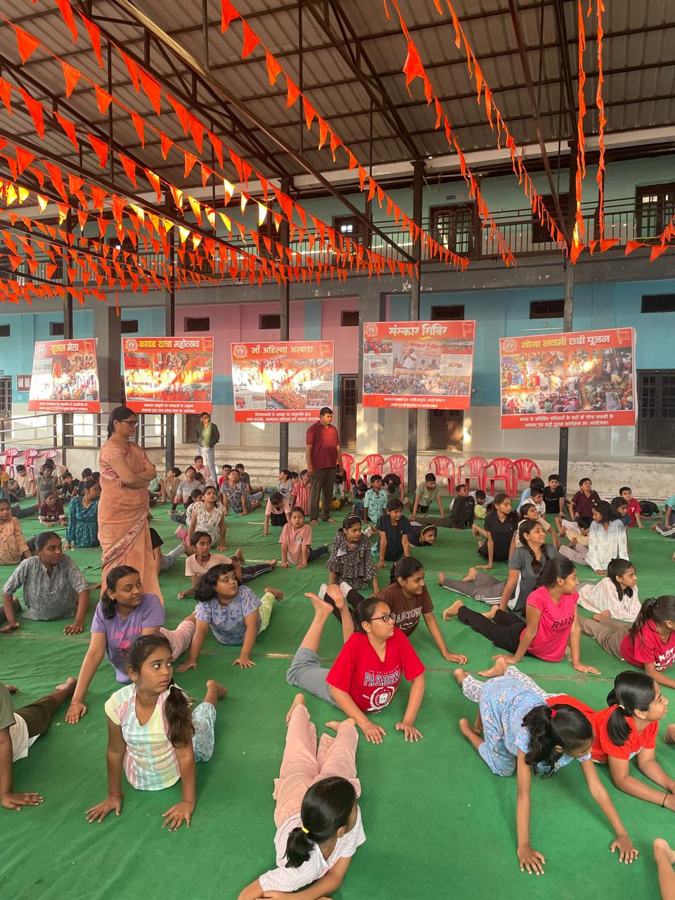
A free camp for children from underprivileged families: yoga, discipline, meditation, stories and stick training. We recorded it and shared its story.
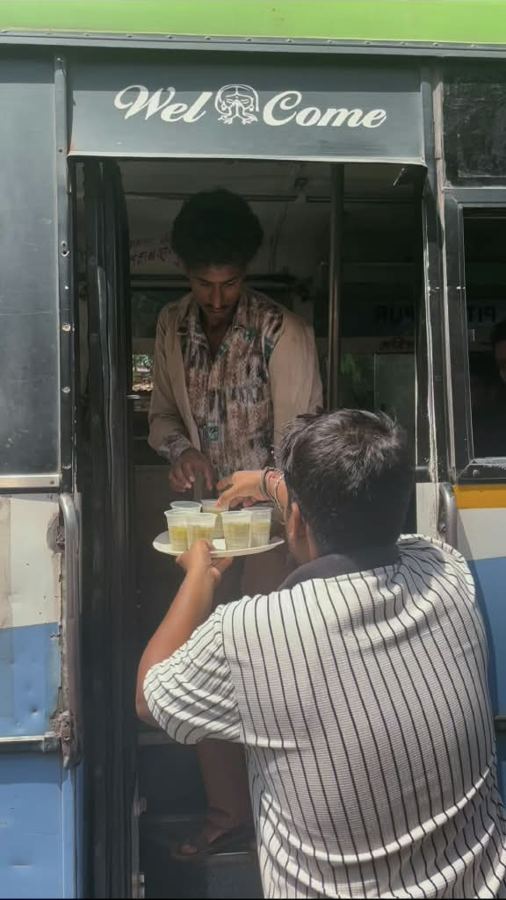
Through the peak of summer, the family behind Shukla Tent House served free sugarcane juice to passers-by and bus passengers. No banners, nothing asked in return.
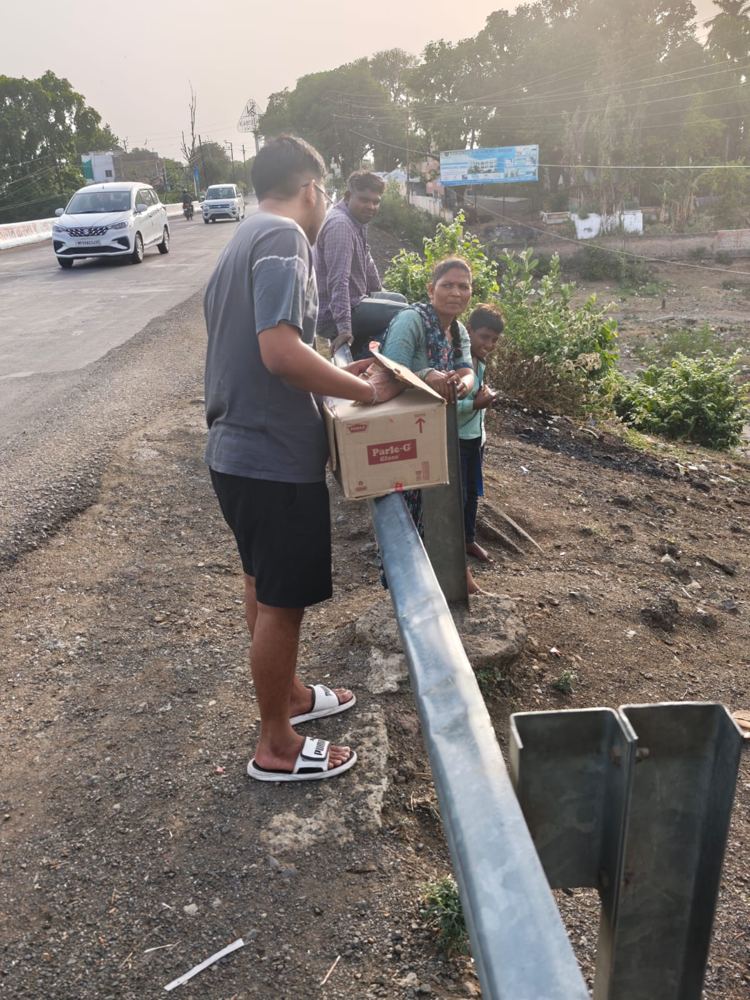
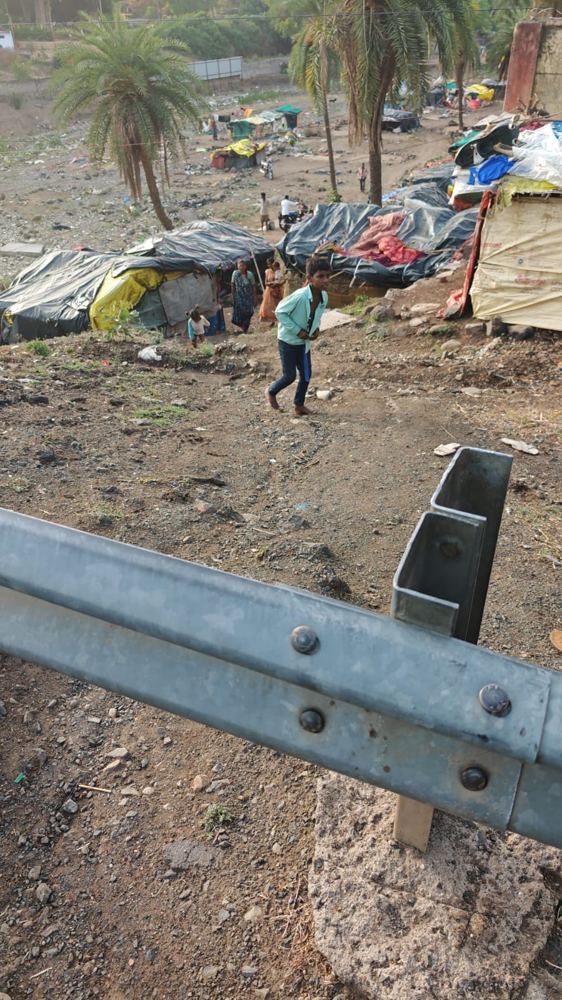
Beside the highway, families live in tarpaulin shelters below the road. We stopped with a carton of Parle-G and handed packets to the children and parents who came up to the railing.
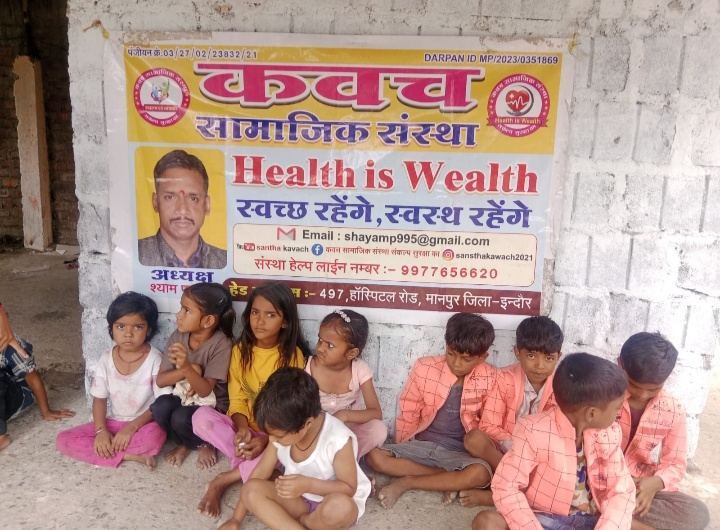
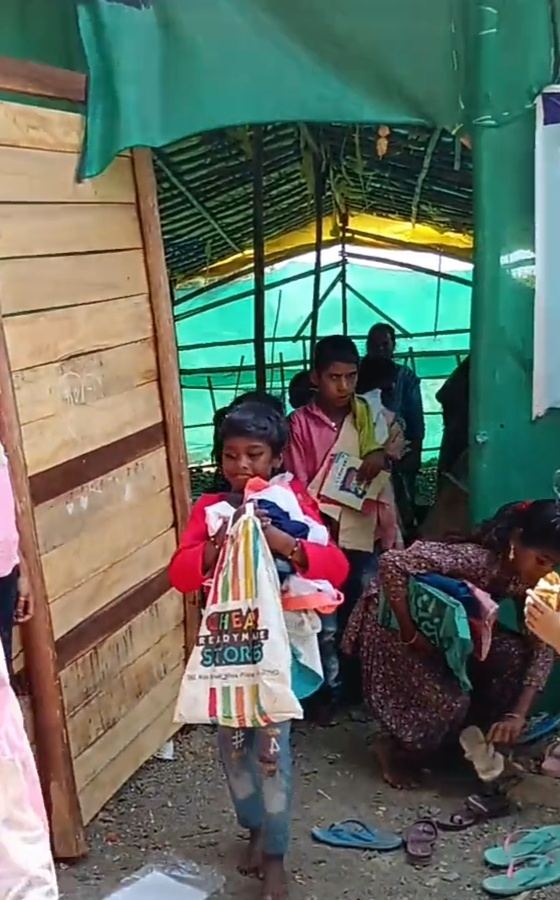
With Kavach Samajik Sanstha, a local social organisation, we joined a drive where children from the community received clothes and essentials. DoNeki recorded the work so it would be seen.
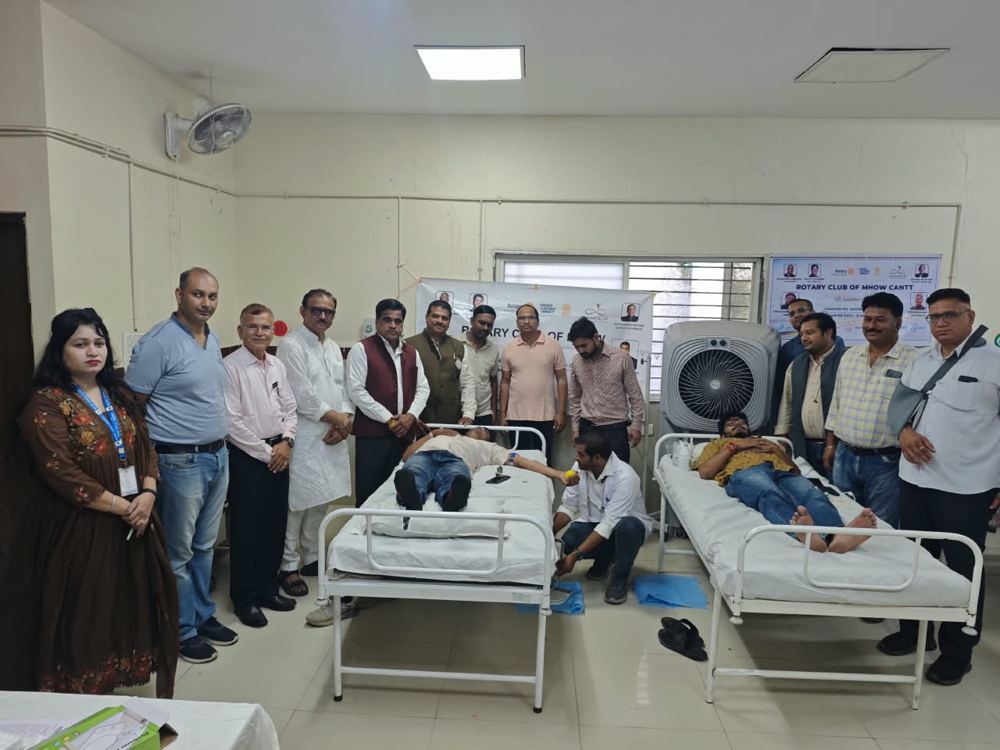
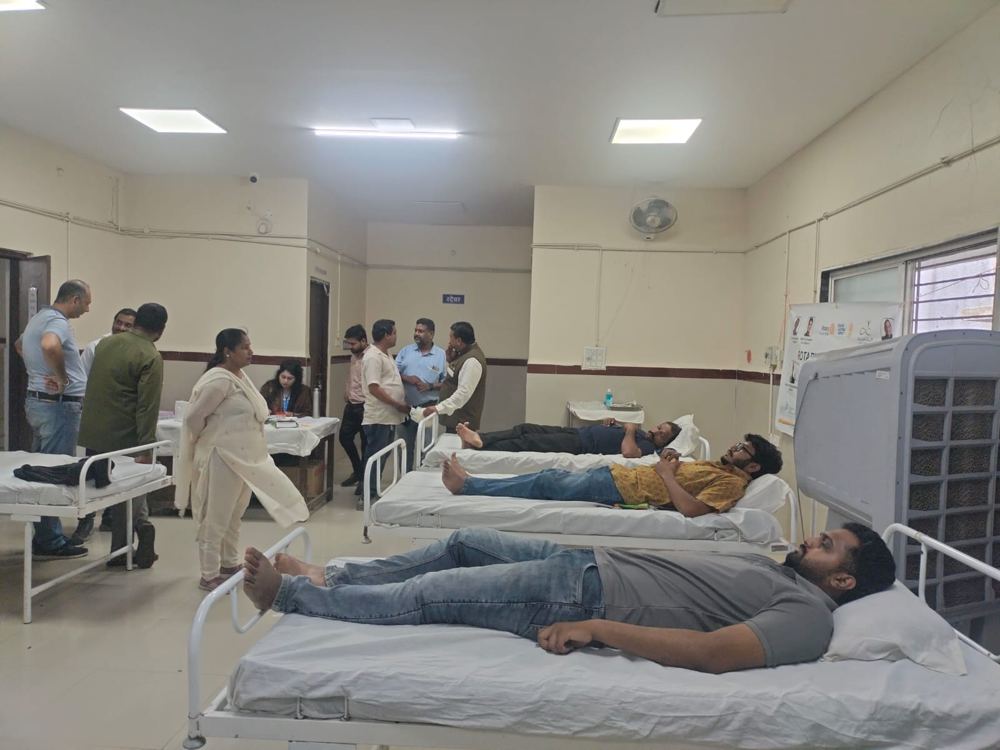
A blood donation camp held at Madhya Bharat Hospital in Mhow, with the Rotary Club of Mhow Cantt. DoNeki documented the donors and shared the story to encourage others to give.
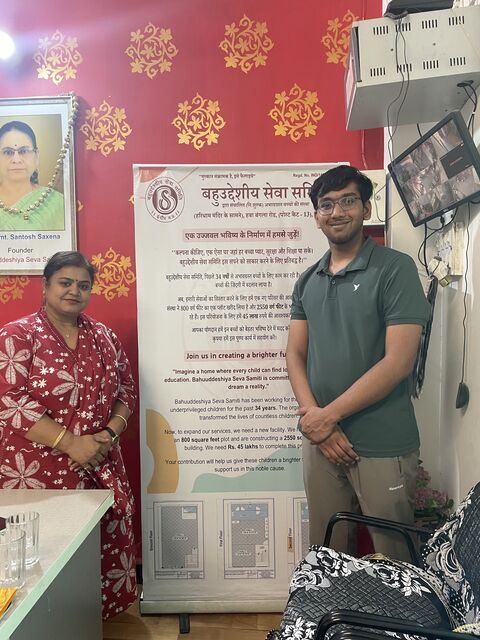
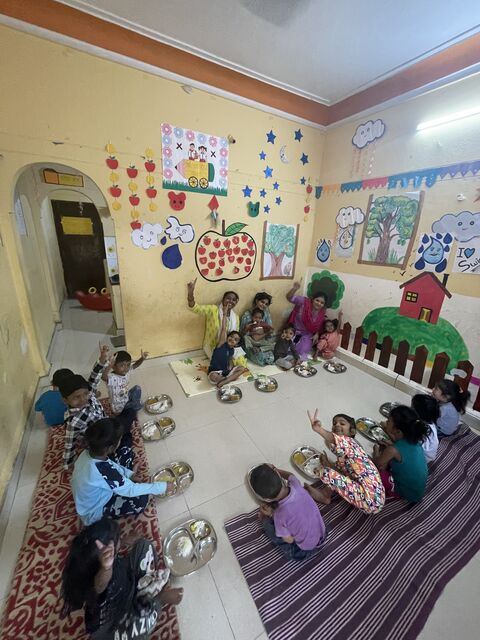
For over three decades, Bahuuddeshiya Seva Samiti has cared for underprivileged children. We met the team, sat with the children at mealtime, and recorded their work, including their plan to build a bigger home.
A music event at Rajdhani Ashram, an old age home, performed by a highly talented group of disabled artists. Residents gathered under the tent to listen, and the performers showed what they had worked on. Two groups that are often overlooked, sharing one afternoon.
Roopankan is a library with zero fees for ambitious students. The students here do all the work themselves, from making food to cleaning the bathroom. Every room has a story based on its name, and the whole building is filled with posters and art.
At Sarvahitam, the group laid out fresh green fodder for the cows in the shelter, then spent time with the children there, handing things out one by one. Small, hands-on work, done without a stage.
A social problem cannot always be solved simply by making an app.
Returning to the place where it all began
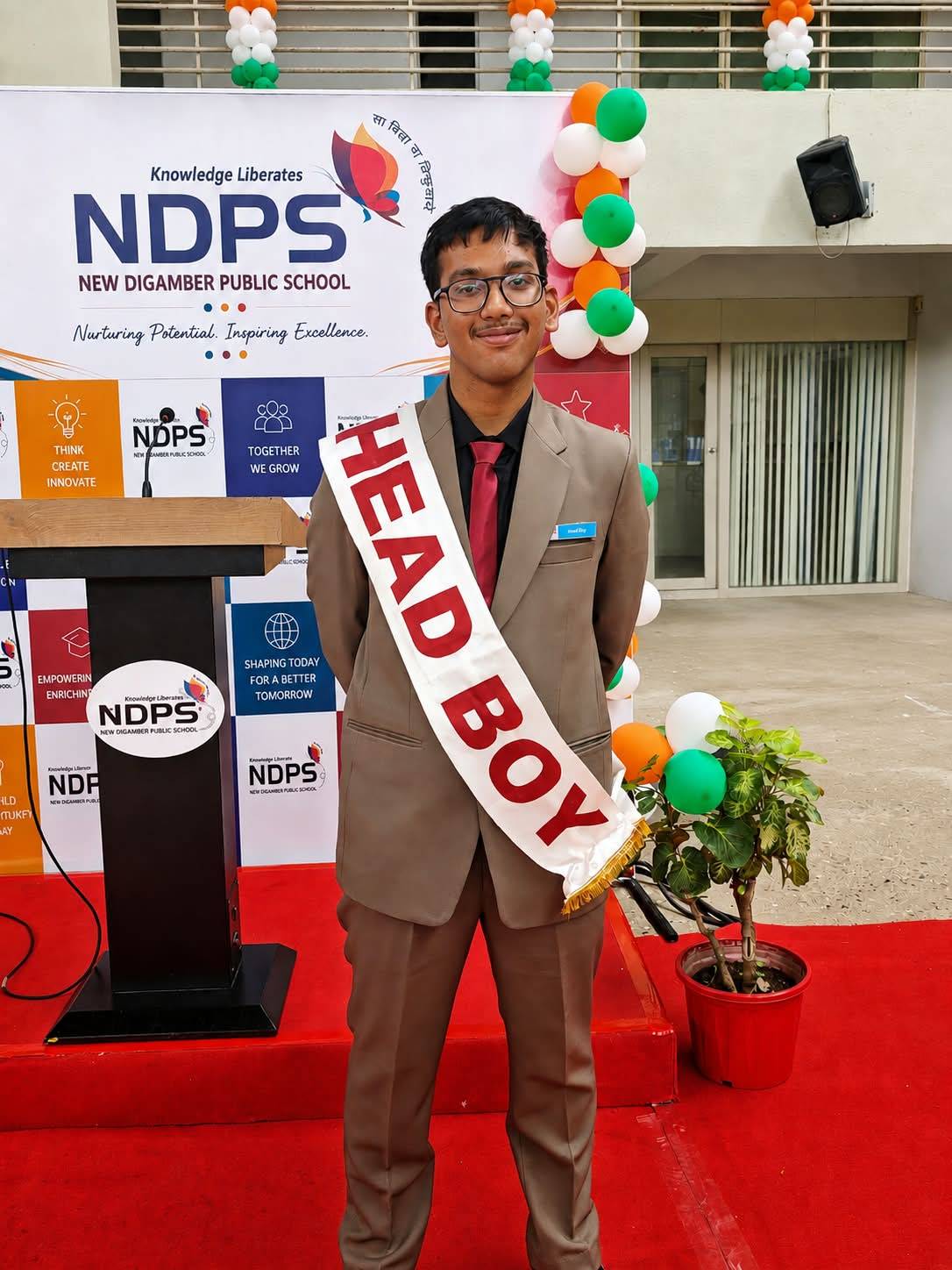
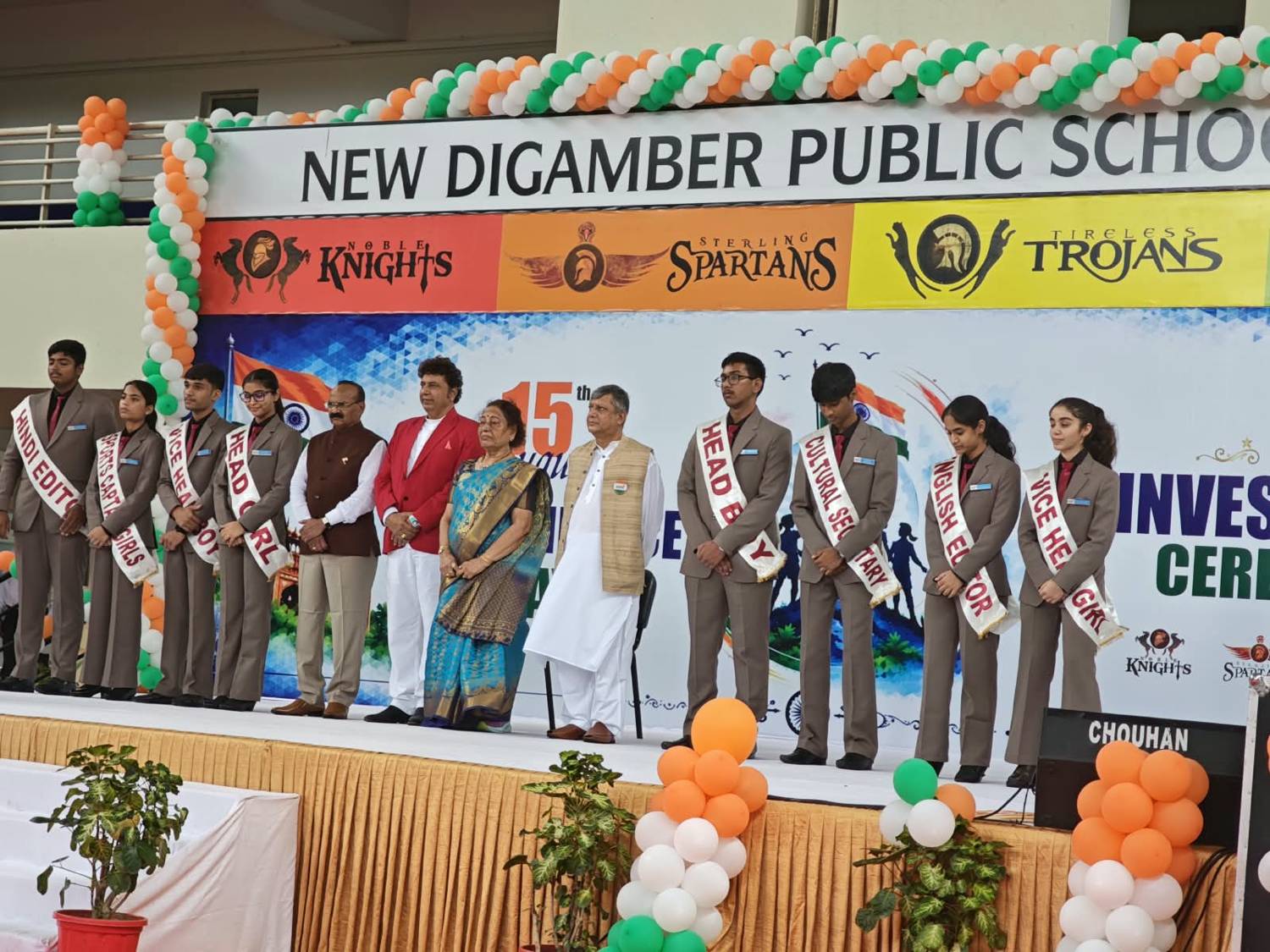
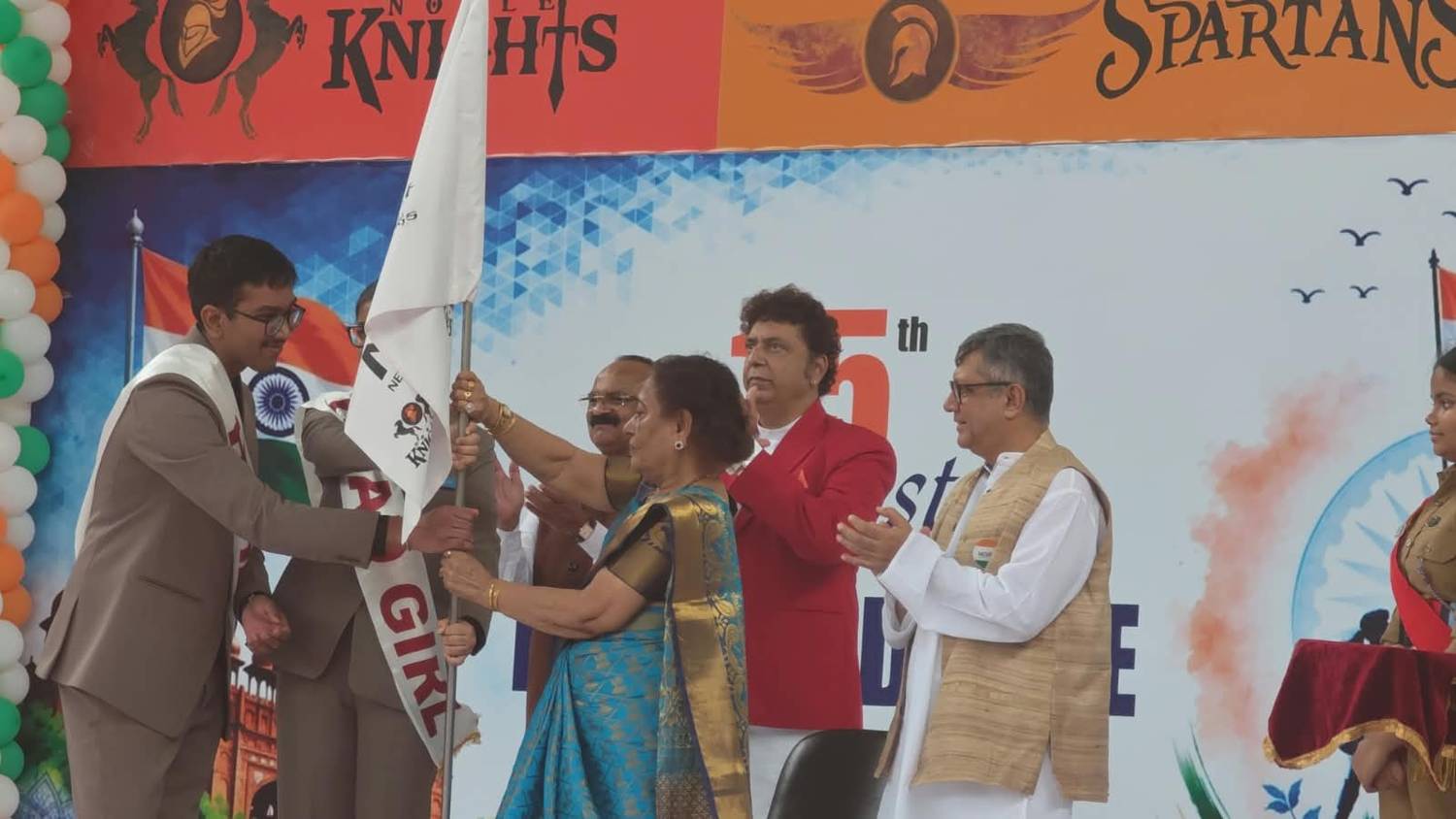
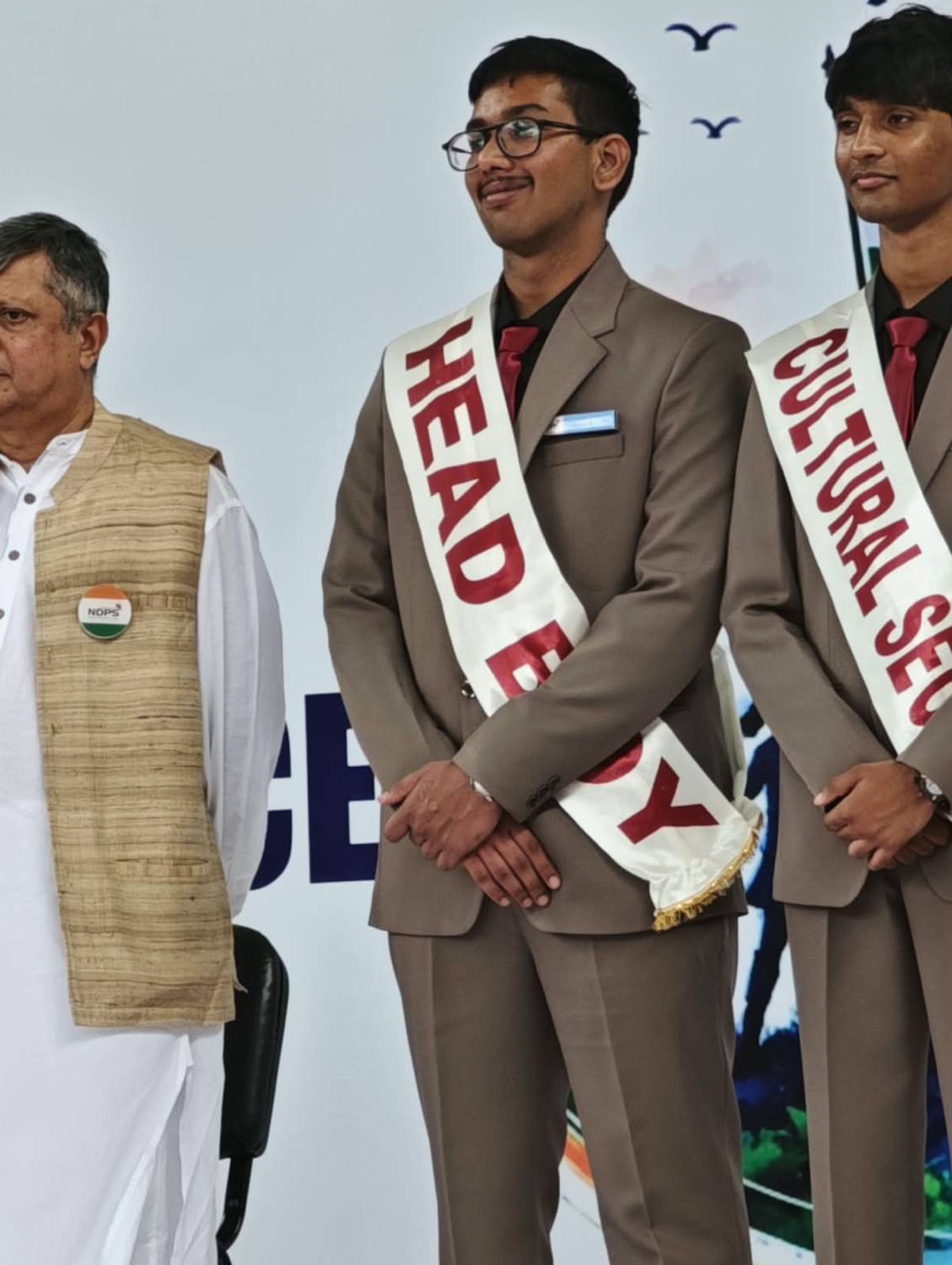
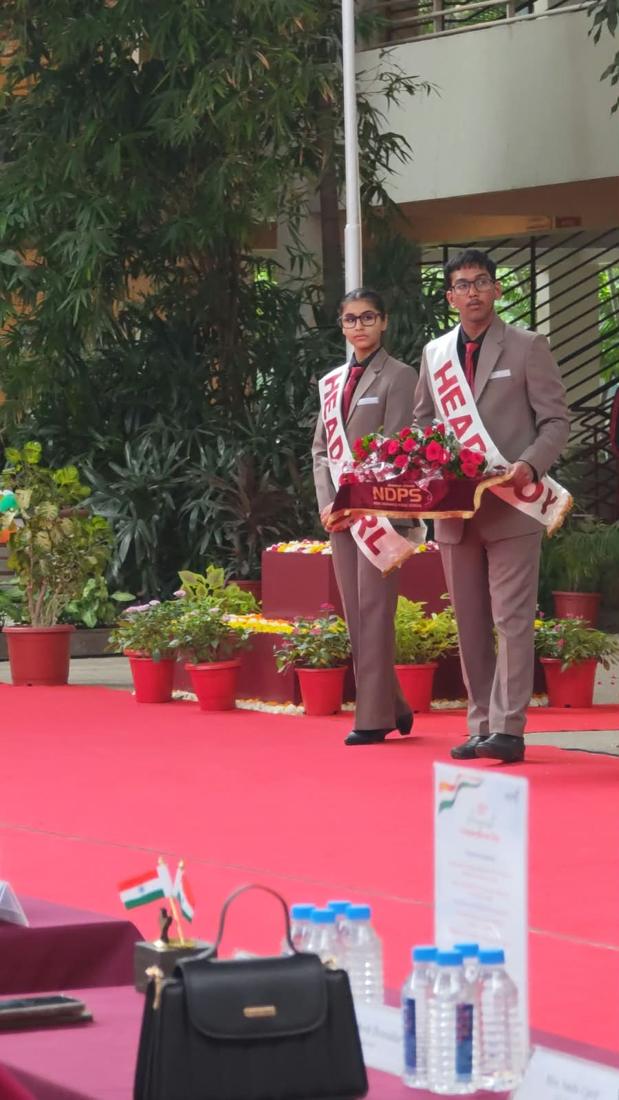
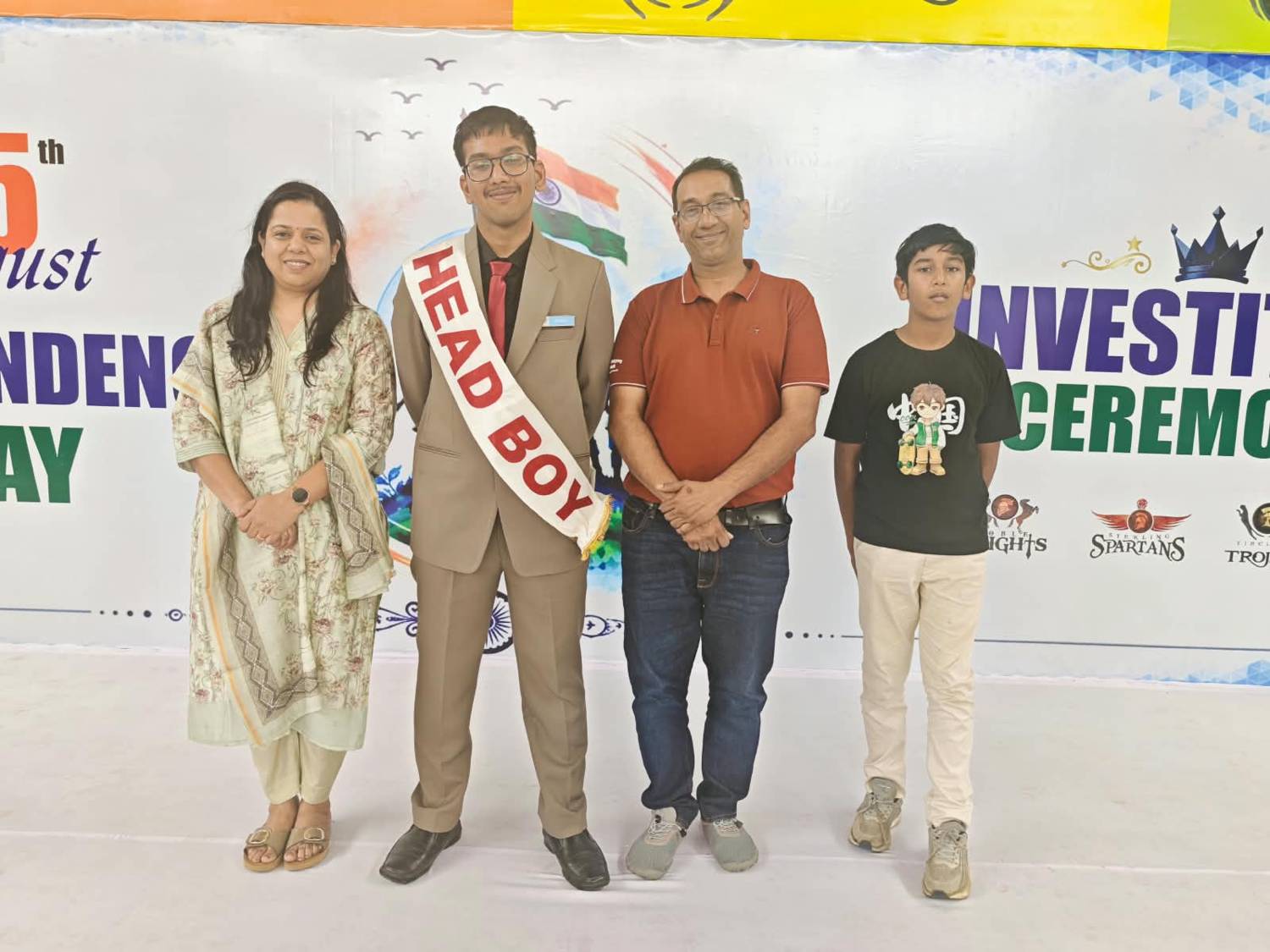
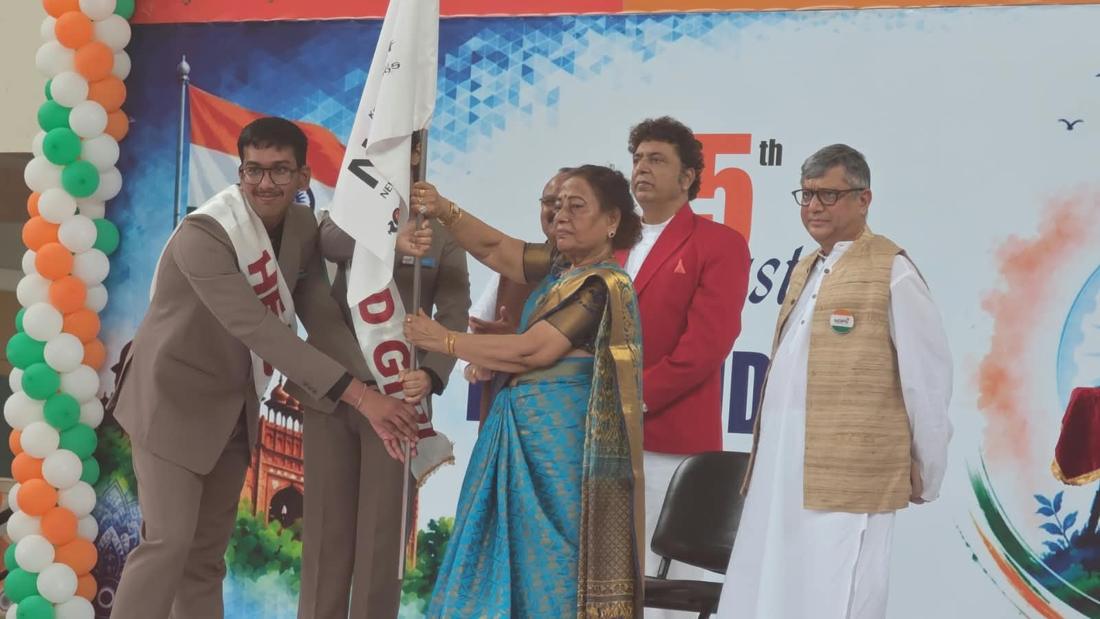
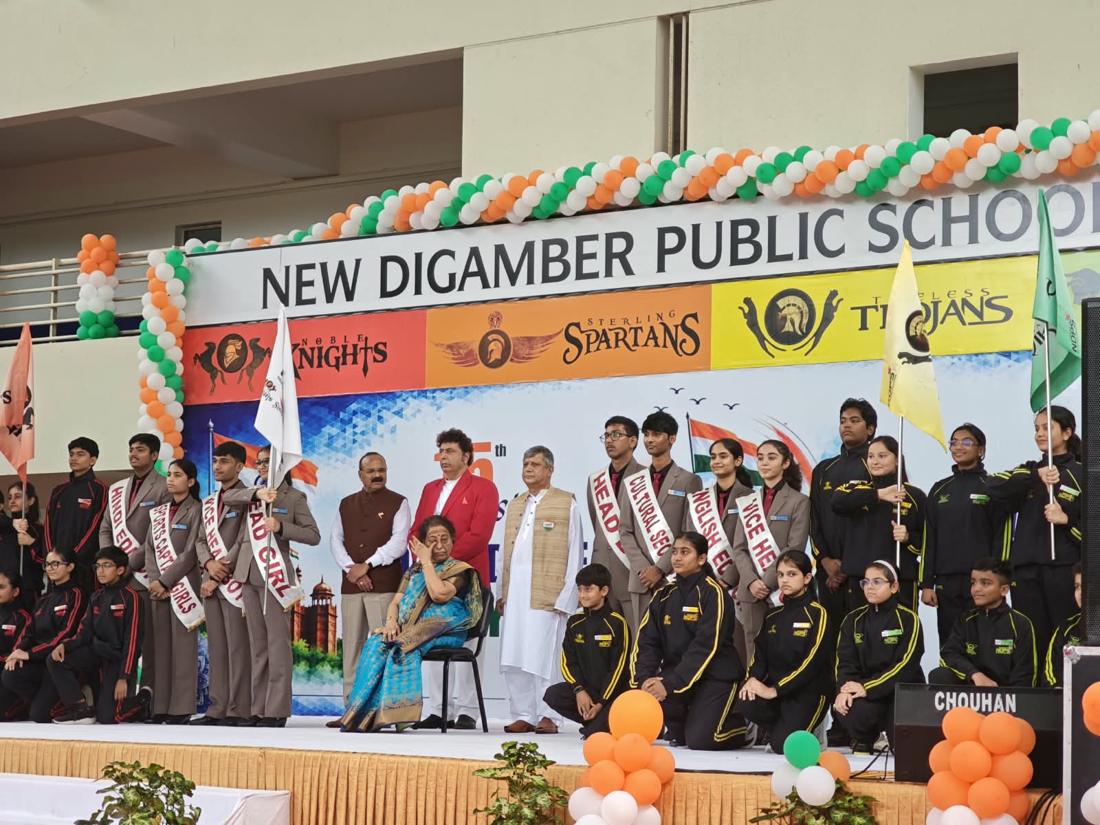
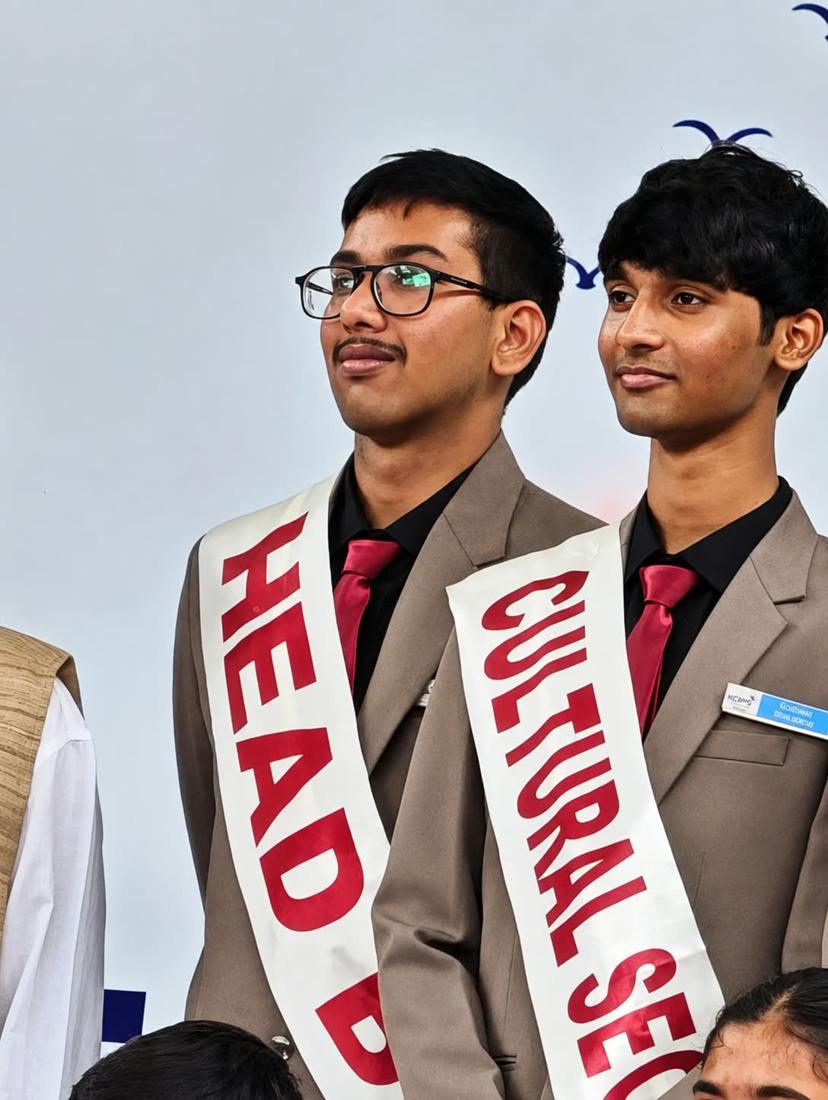
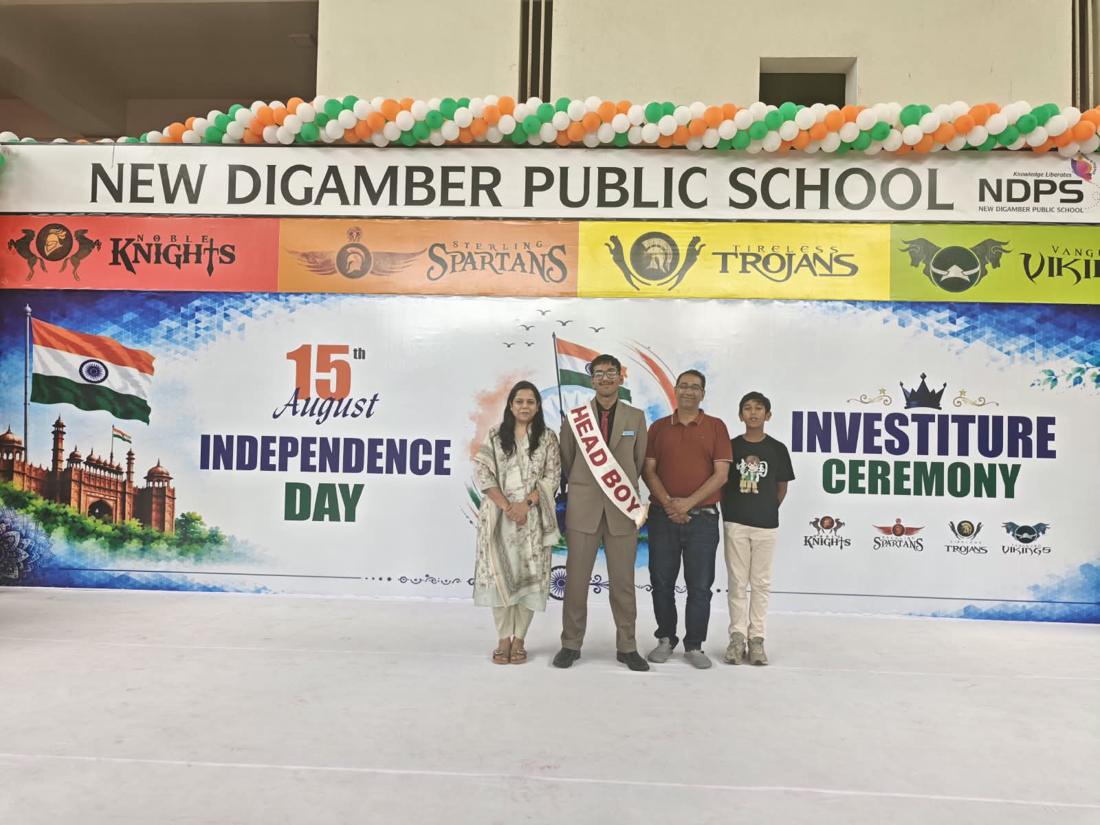
Eventually, I became Head Boy of my school. That felt strangely circular.
This was the same environment in which I had once been intensely concerned with peer approval and social hierarchy. Now I wanted to change the environment itself.
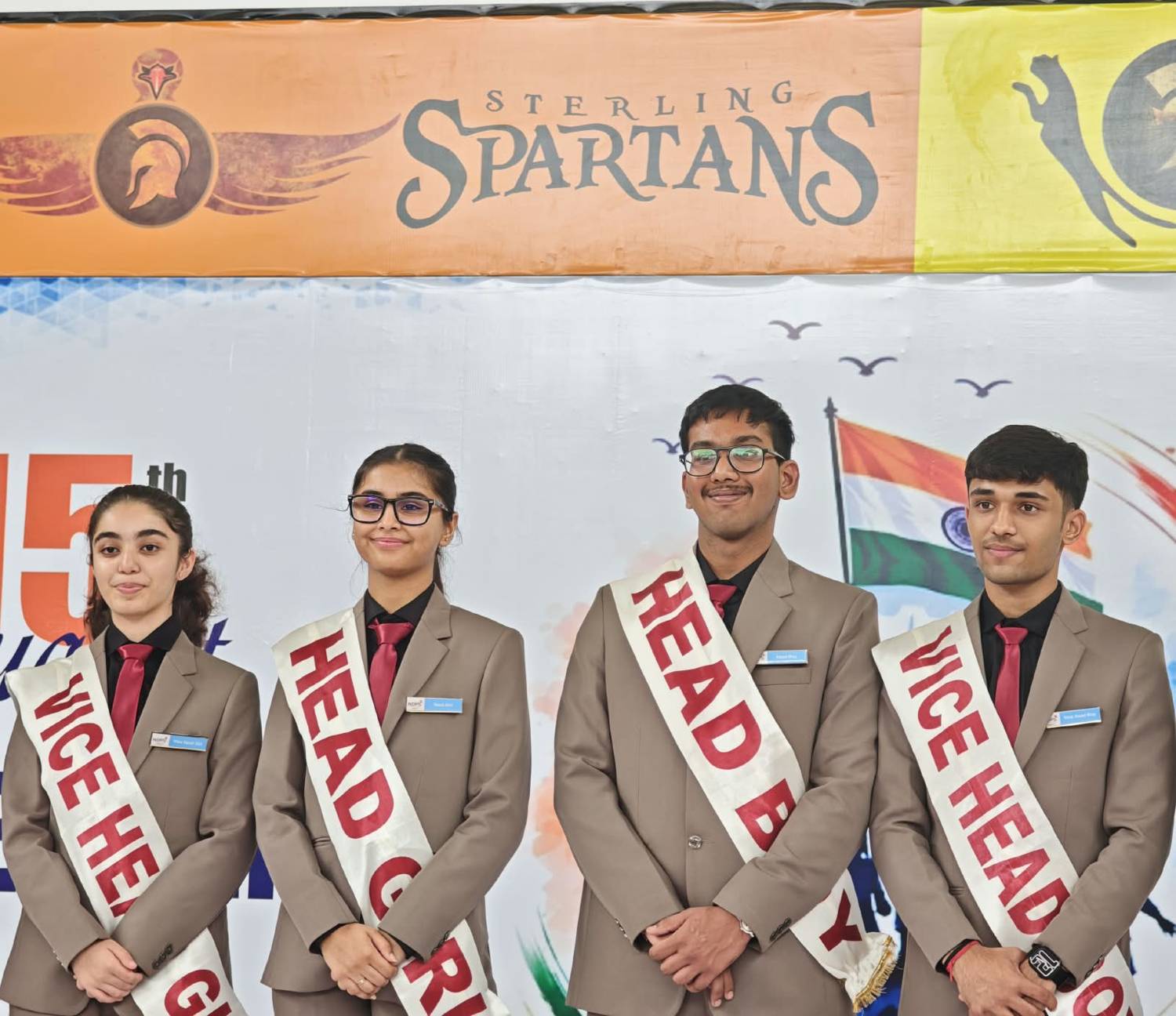
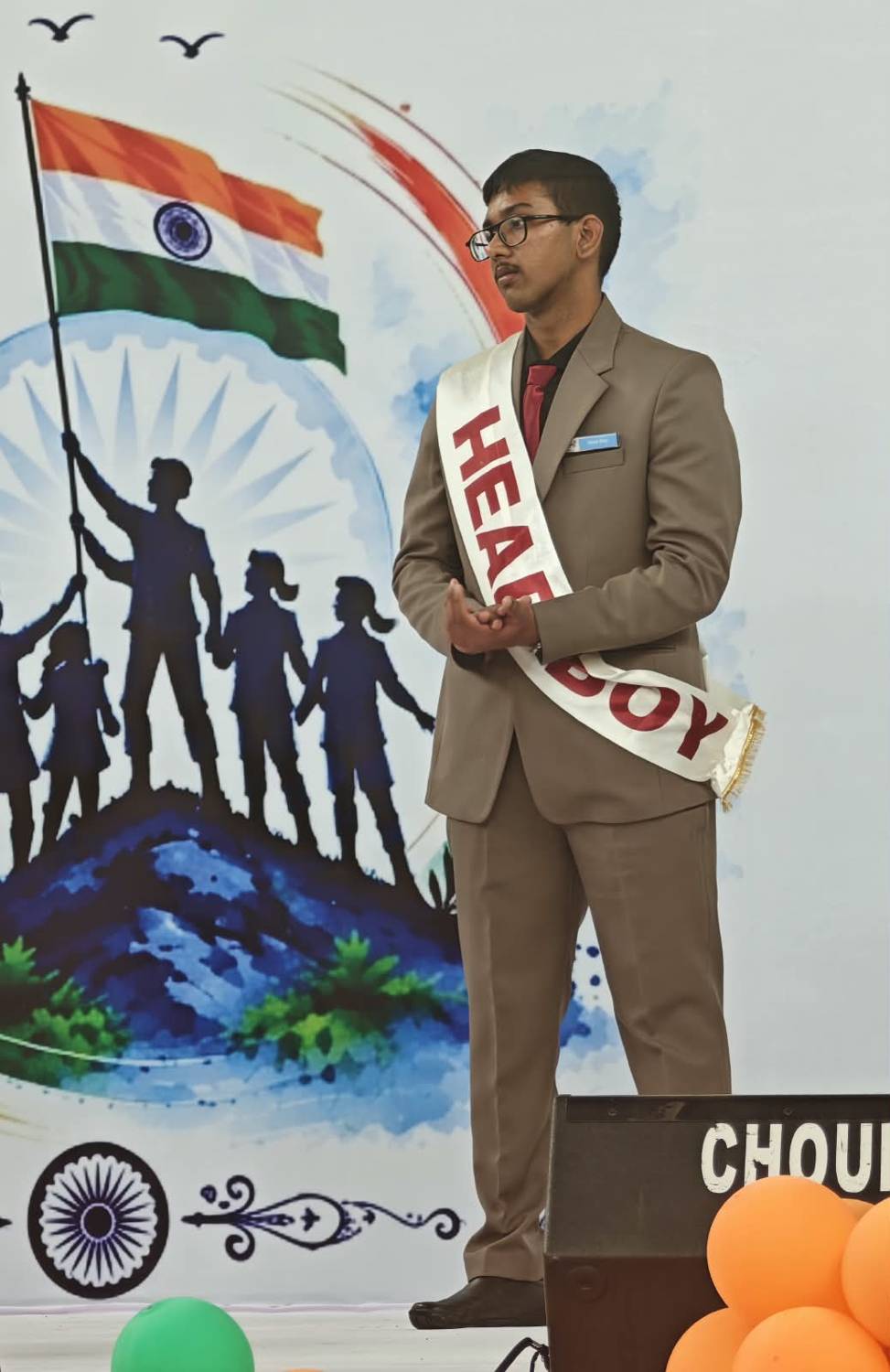
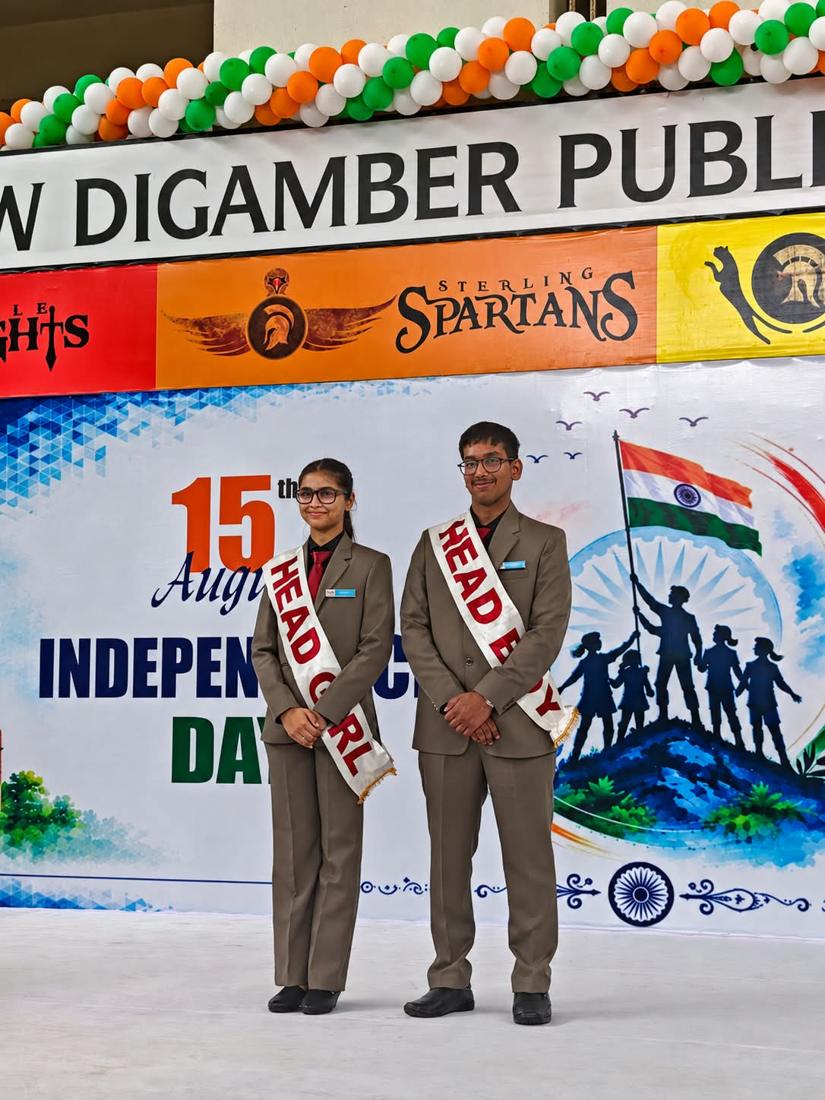
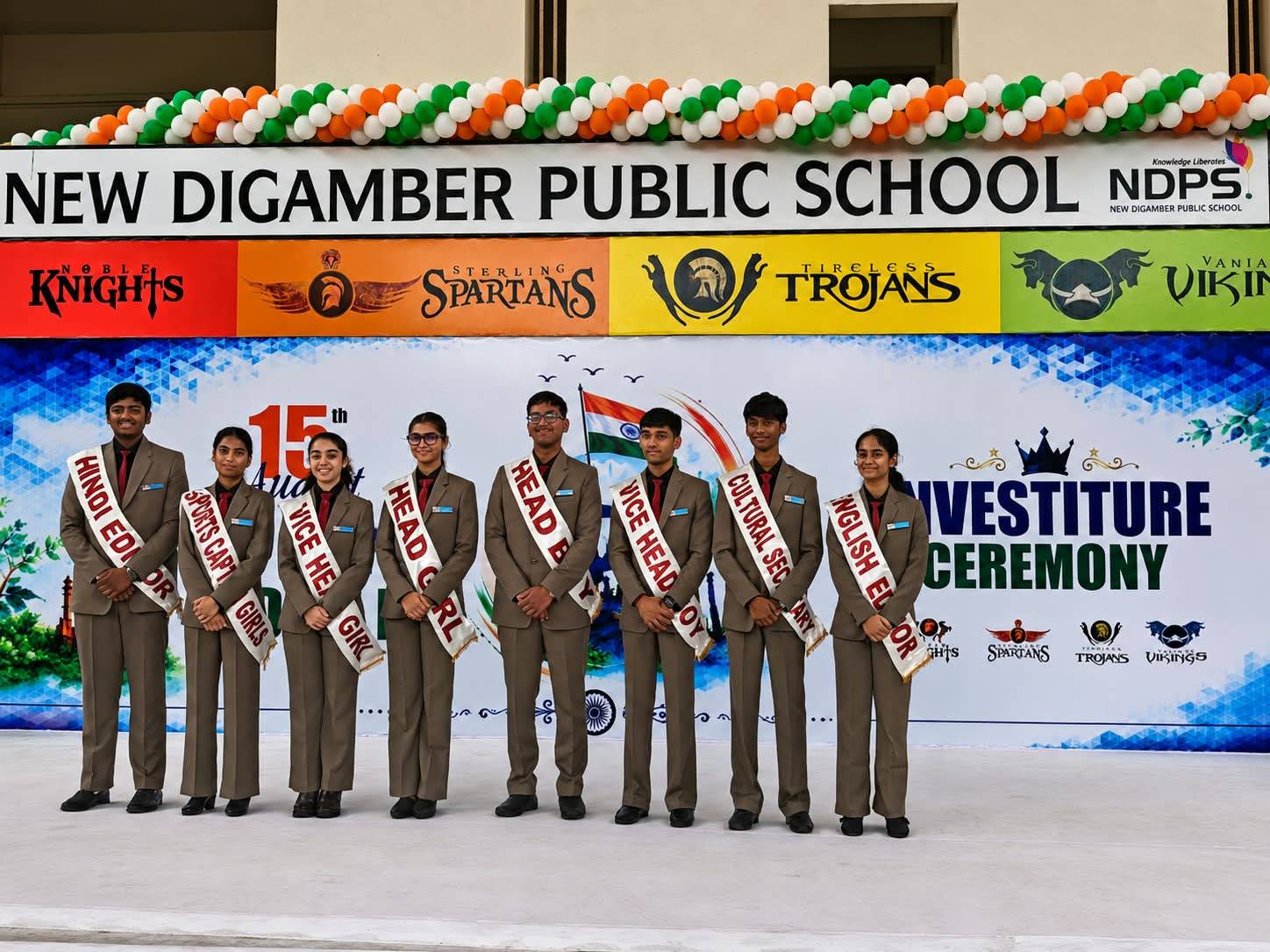
My vision: to make our school an ecosystem where each student
Speaking to the whole school during the Students’ Council election campaign, in front of students and teachers who would vote. The vision: a school where every student has safe opportunities to explore, some idea of their future, and the confidence to be authentic.
Elected Head Boy through student and teacher voting in a school of about 800 students. The same school where I once cared intensely about peer approval.
Organised intra-school competitions and events, so each student has safe opportunities to explore and participate.
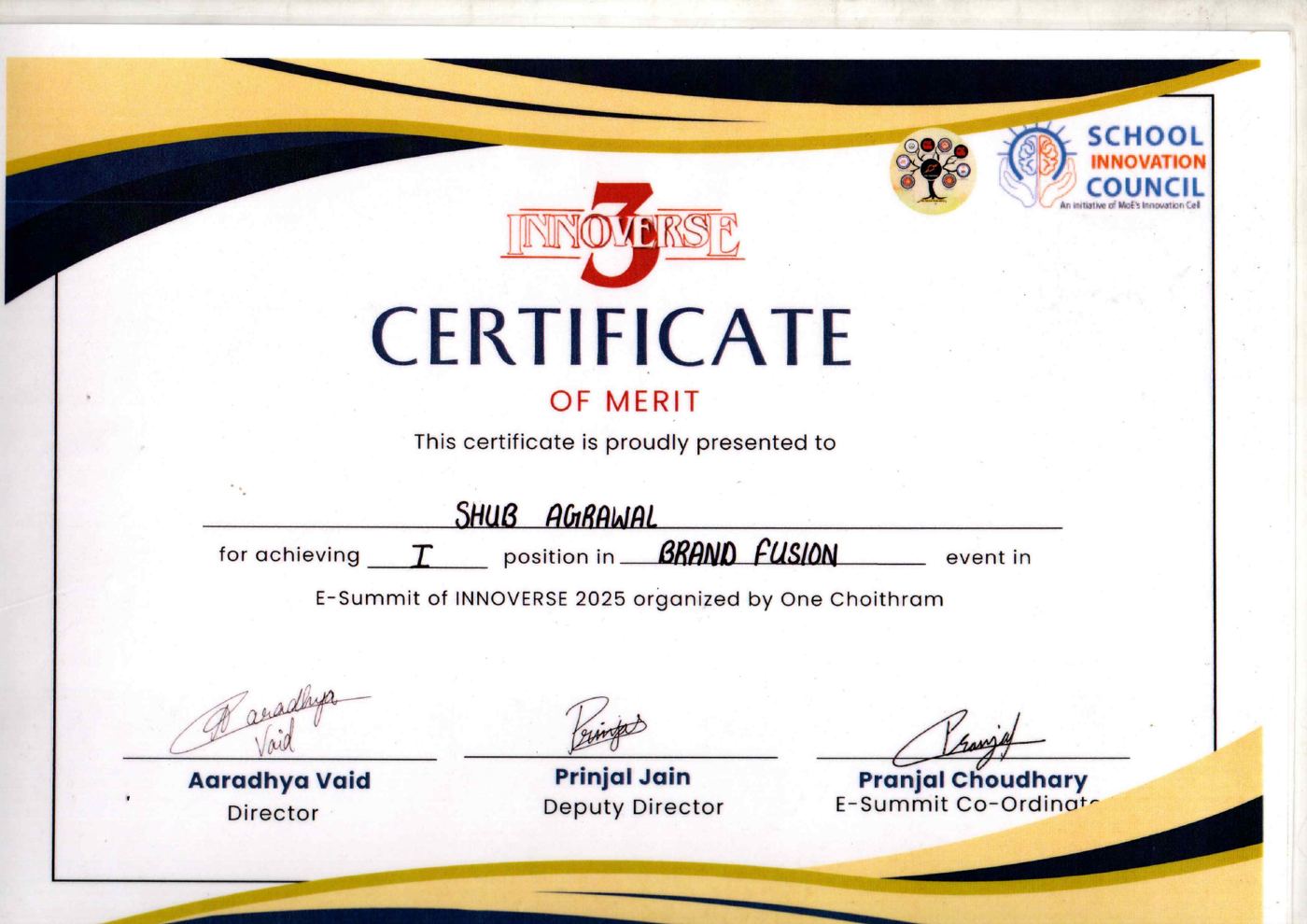
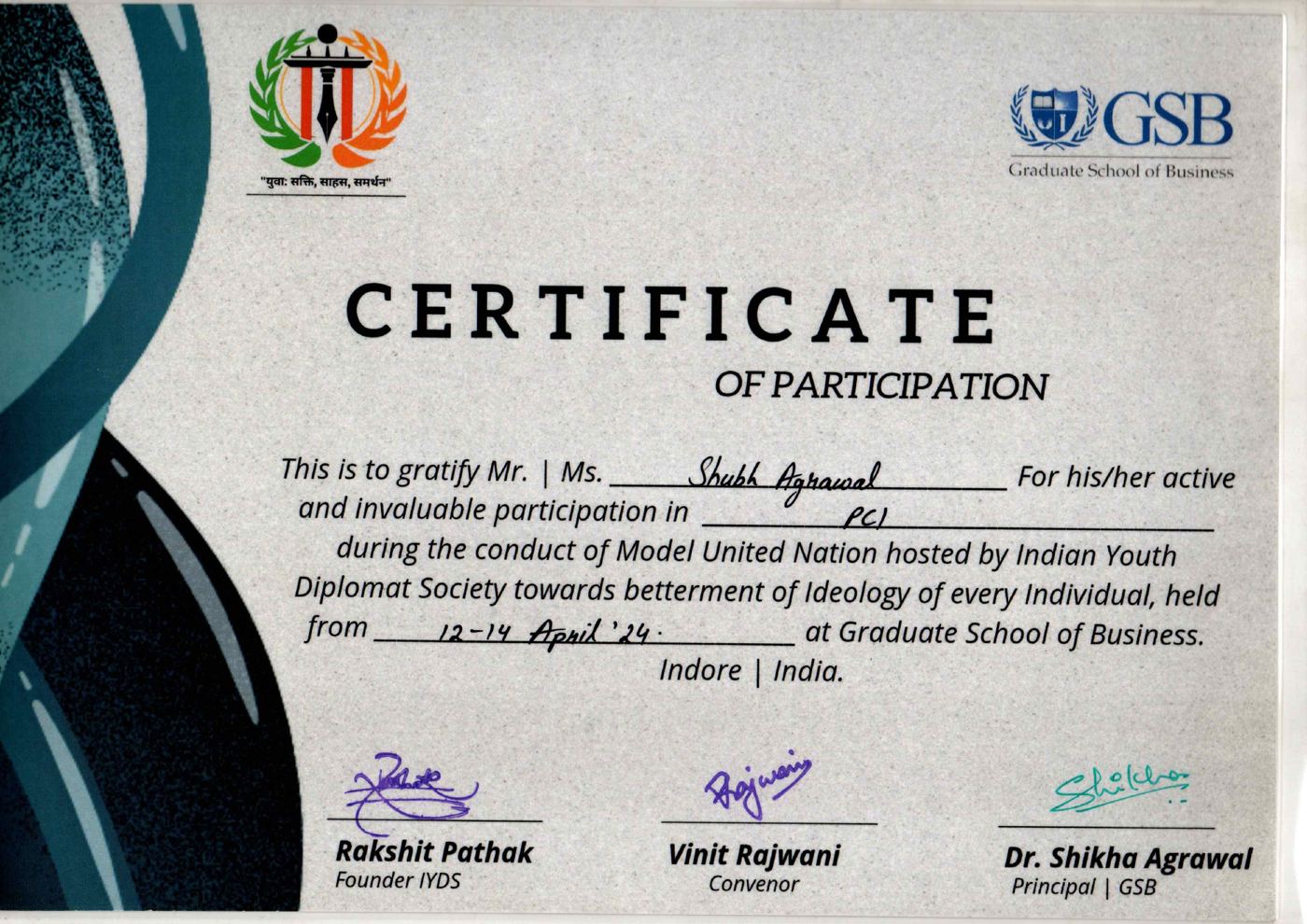
Helped organise an intra-school MUN with 200+ participants, building on the 4–5 MUN conferences I took part in myself.
Helped organise Bizfinity across 8 schools, along with other inter-school events.
Fully organised Teachers' Day through the student council.
Created formal channels for distributing opportunities more equally, so a student's world does not stay small.
Supported career-guidance sessions, so each student has a little idea about what they want to do in future.
How do we make sure a student's world does not stay small?
Learning inside the classroom, too
The things I studied often intersected with what I was exploring outside school: markets, incentives, product design, numbers, and how systems work.
Founded and led with teachers. Every Friday, 70–80 students pitch ideas, work on them independently, and return with measurable progress.
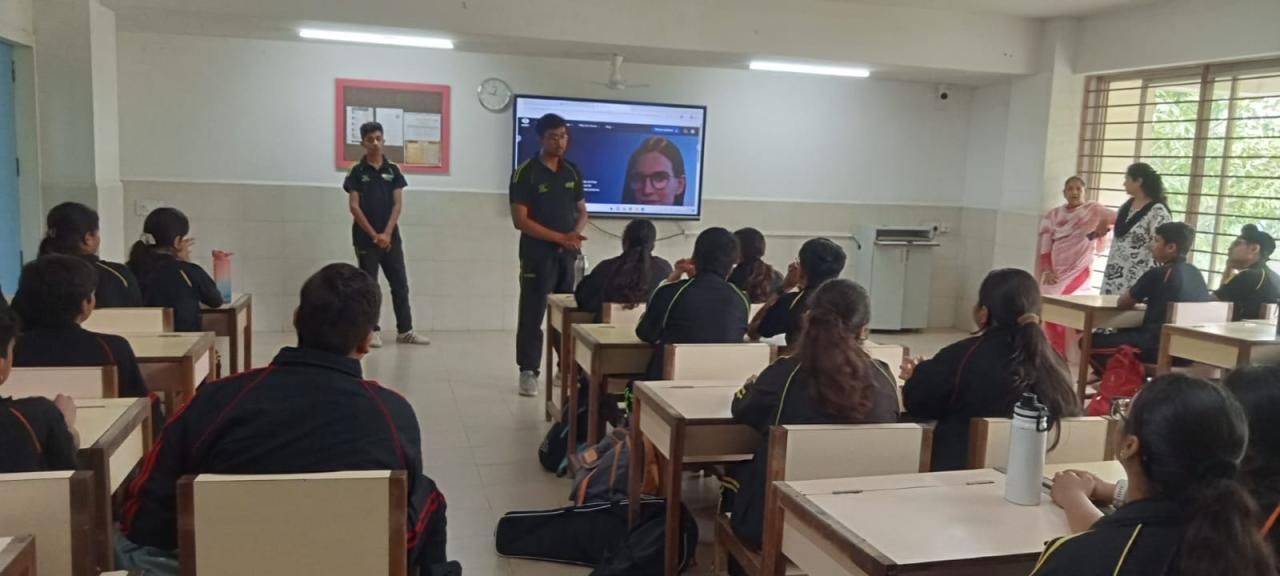
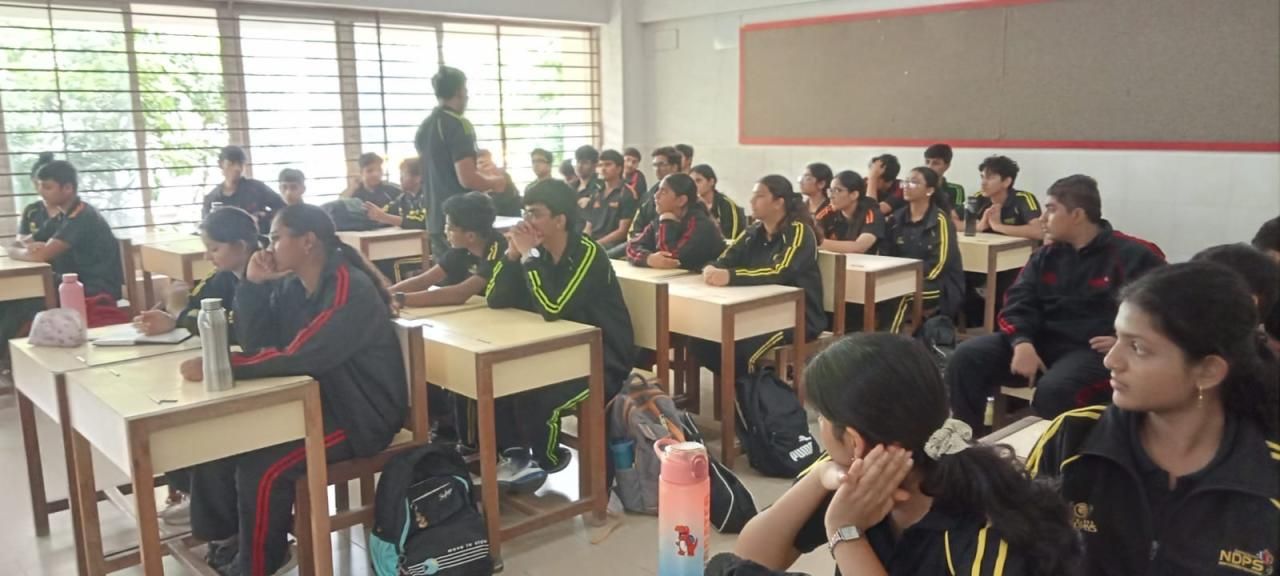 Friday session
Let students fail while failure is still safe.
The harder part is continuing when nothing feels new anymore.
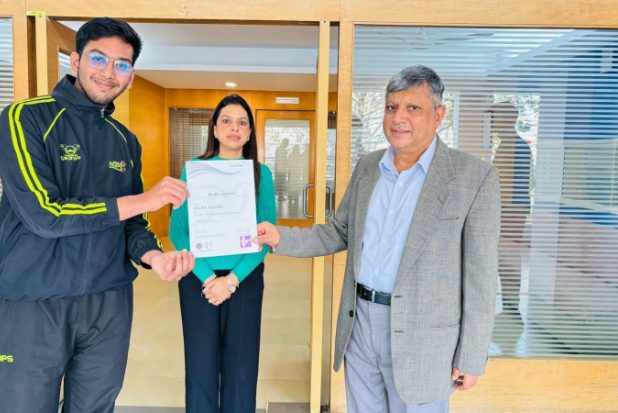
Less about performing, more about making an idea land with another person.
The quieter side of discipline, the part that exists when nobody is watching.

Japanese taught me how to be comfortable not knowing.
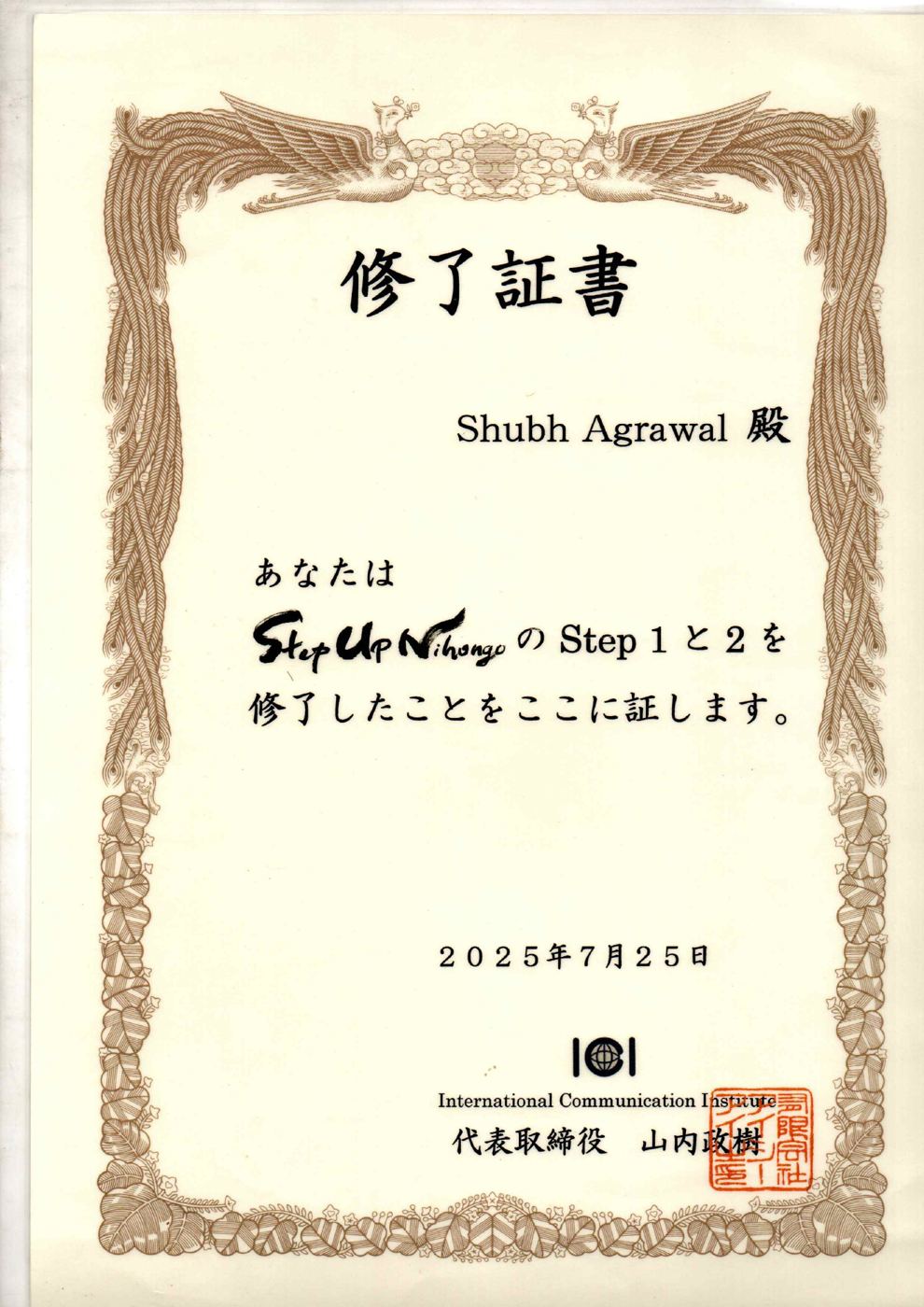
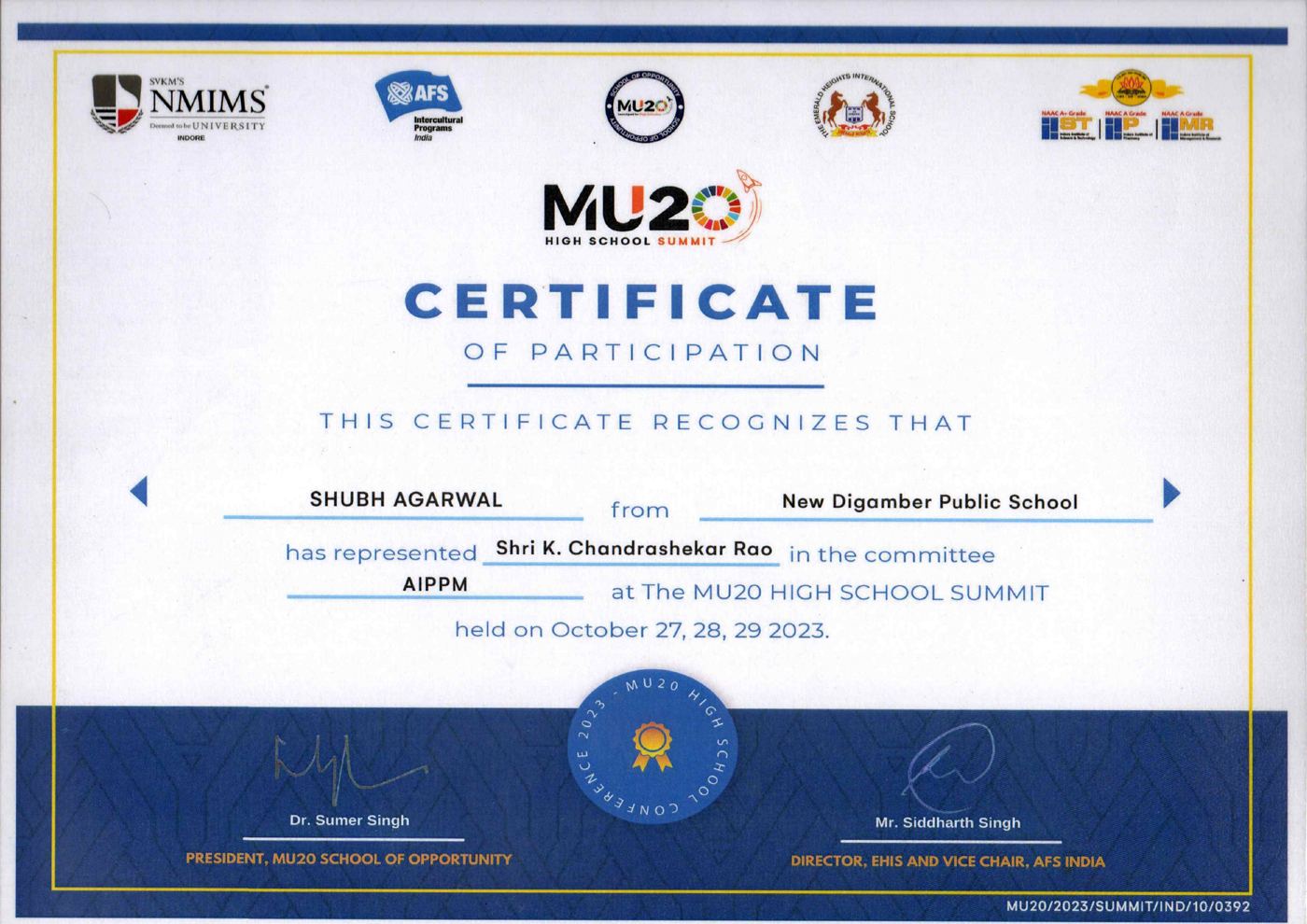
Knowing when to defend an idea and when to rethink it.
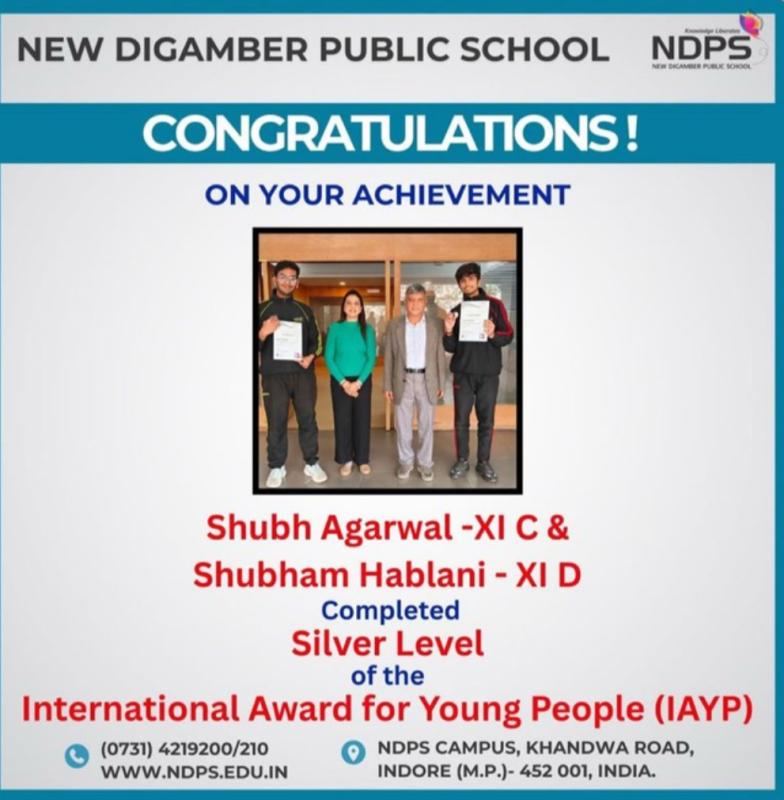
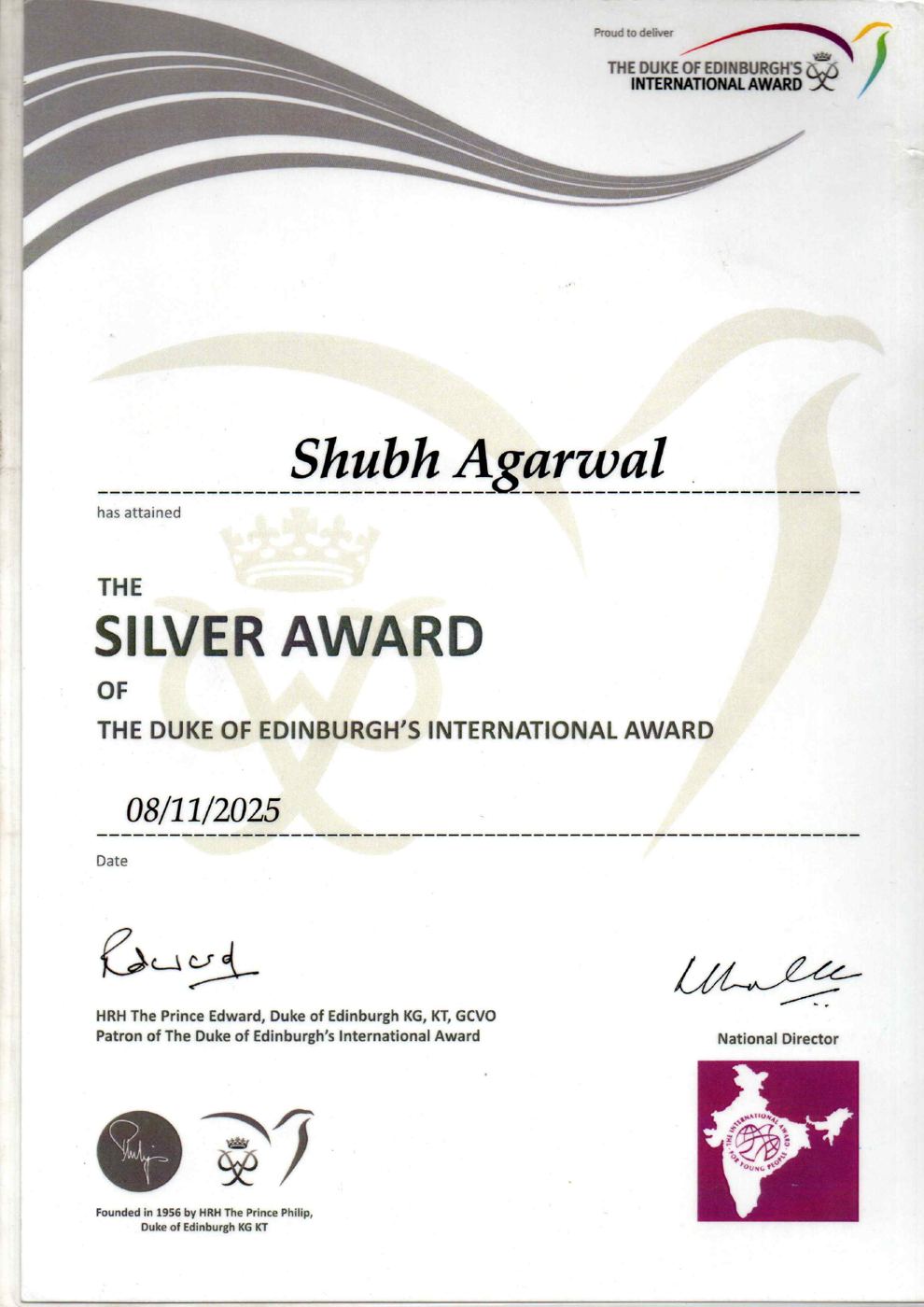
New Digamber Public School congratulated me (XI C) and Shubham Hablani (XI D) on completing the Silver Level of the International Award for Young People.
A year of service, skills, physical recreation and an adventurous journey. The numbers are below.
When the Silver Award came, I wrote publicly that I had stayed consistent with physical activity, but had not done as much volunteering or skill-building as others around me. Some classmates who gave far more time received bronze.
That reality didn’t sit right with me, and I said so. Owning that gap mattered more than the medal.
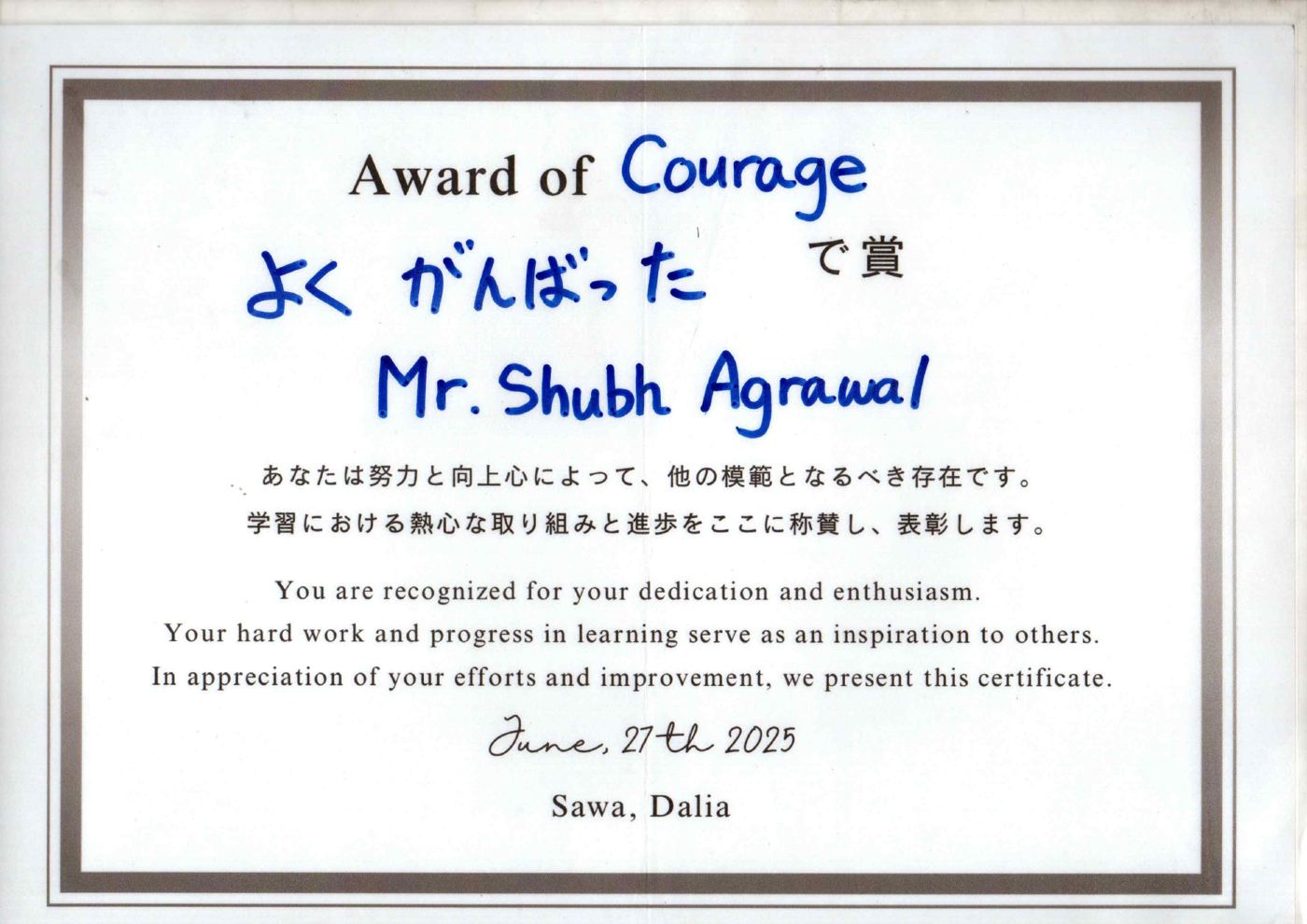
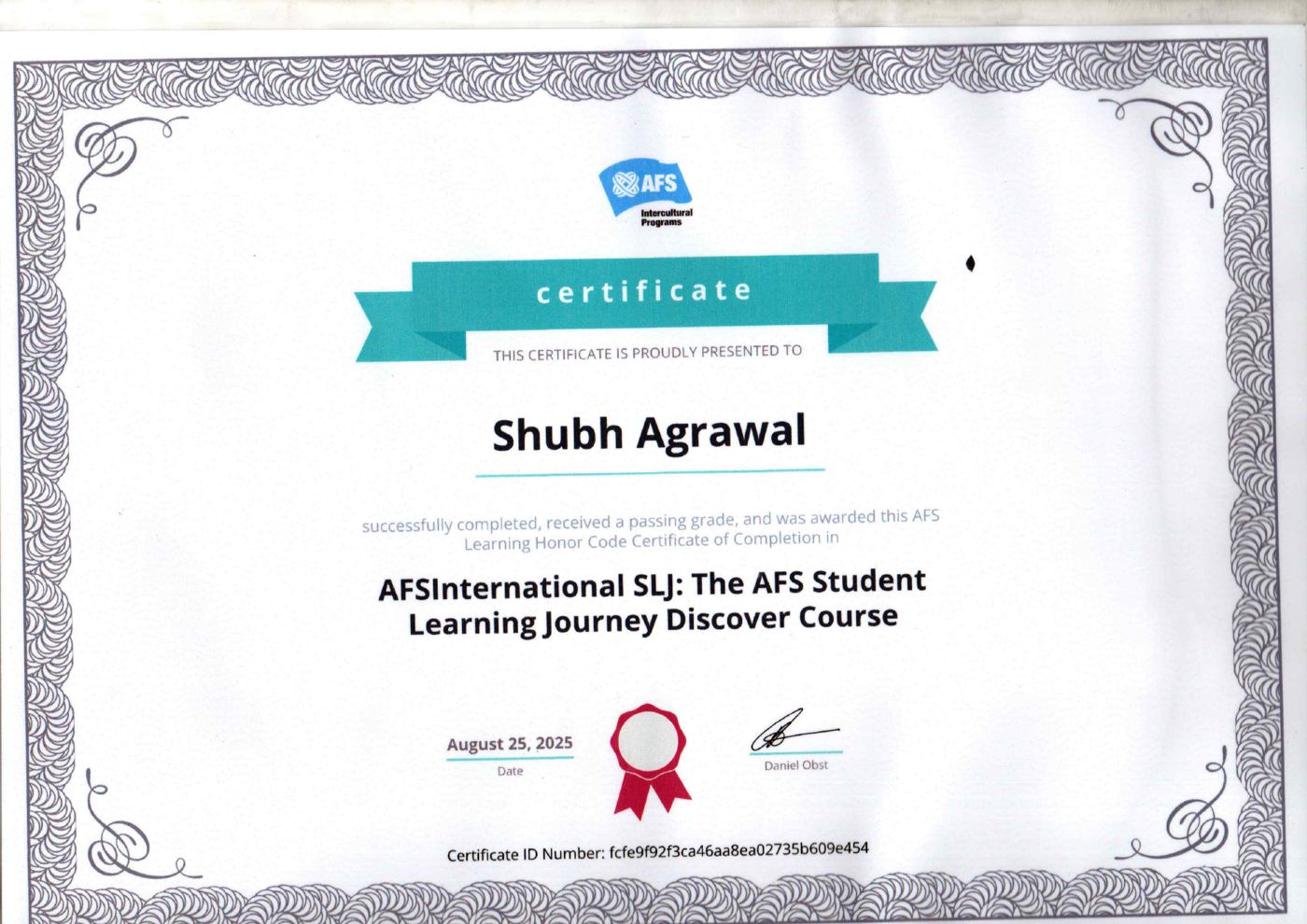
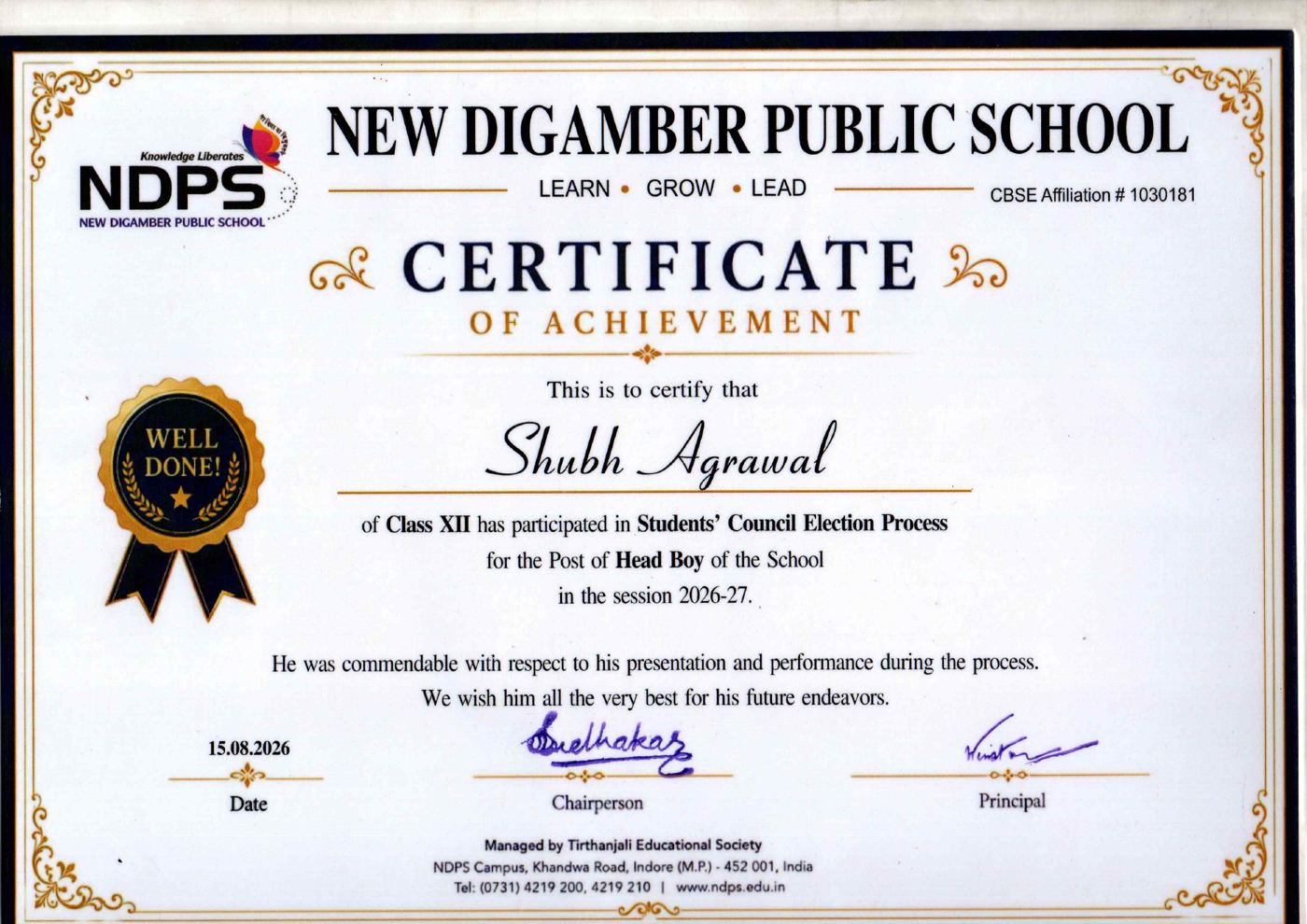
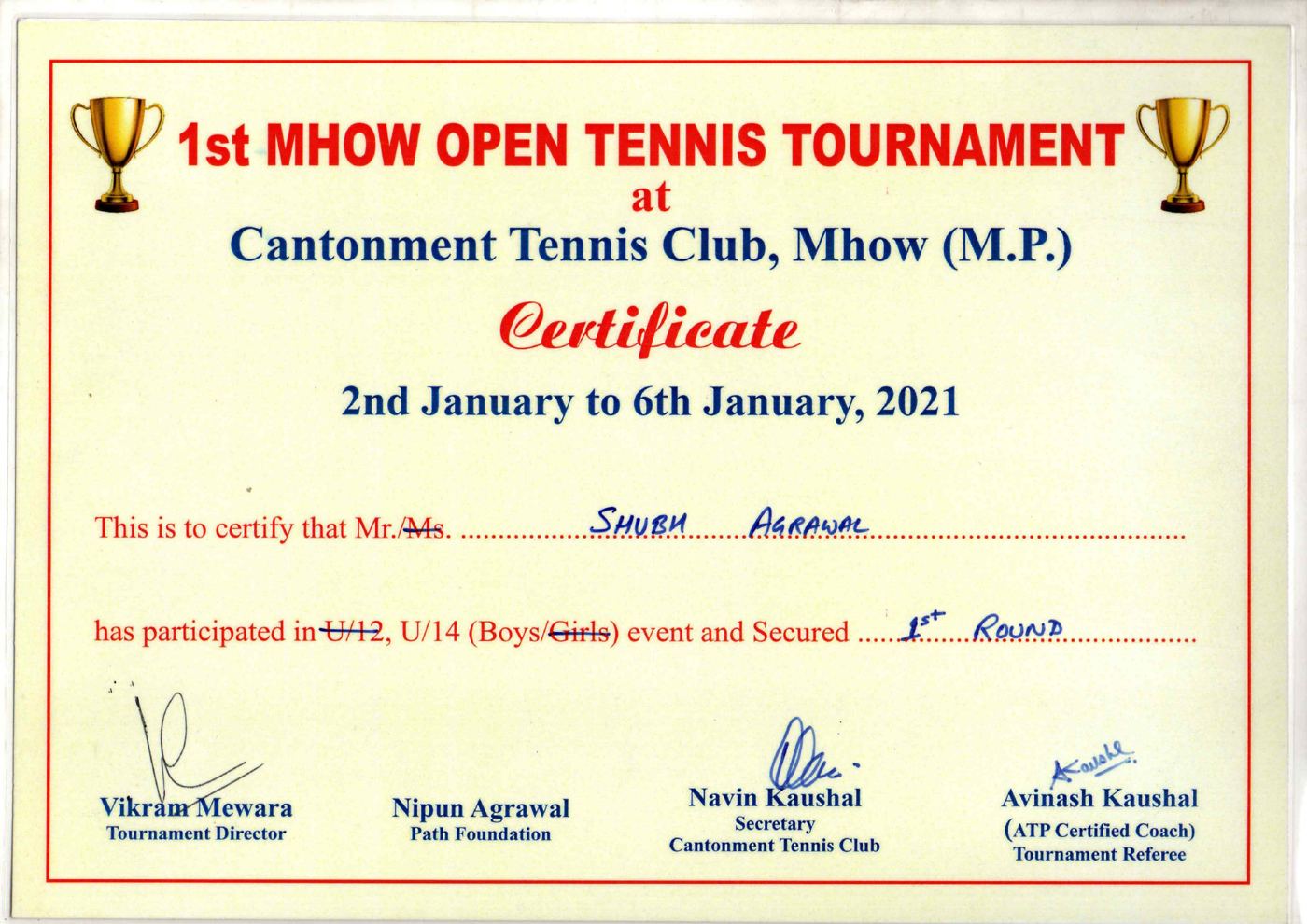
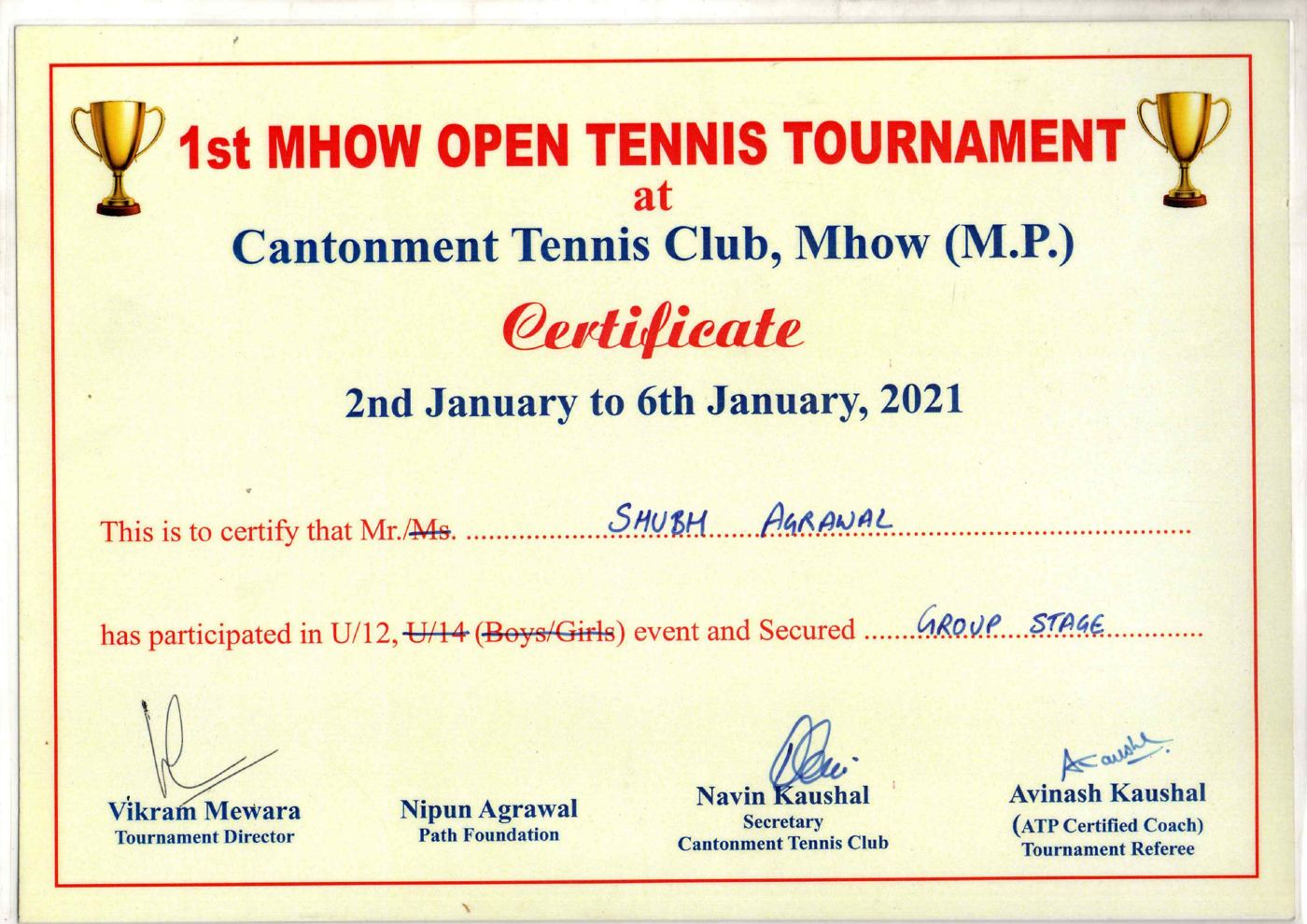
My journey, in my own words
This reel plays on Instagram.
Watch on Instagram →